Over the weekend, a chorus of Democratic lawmakers voiced sharp criticism of the emerging U.S.-Iran agreement, even before it is formally signed. The deal, which would unfreeze $25 billion in Iranian assets in exchange for nuclear non-proliferation commitments, has drawn fire from both chambers of Congress.
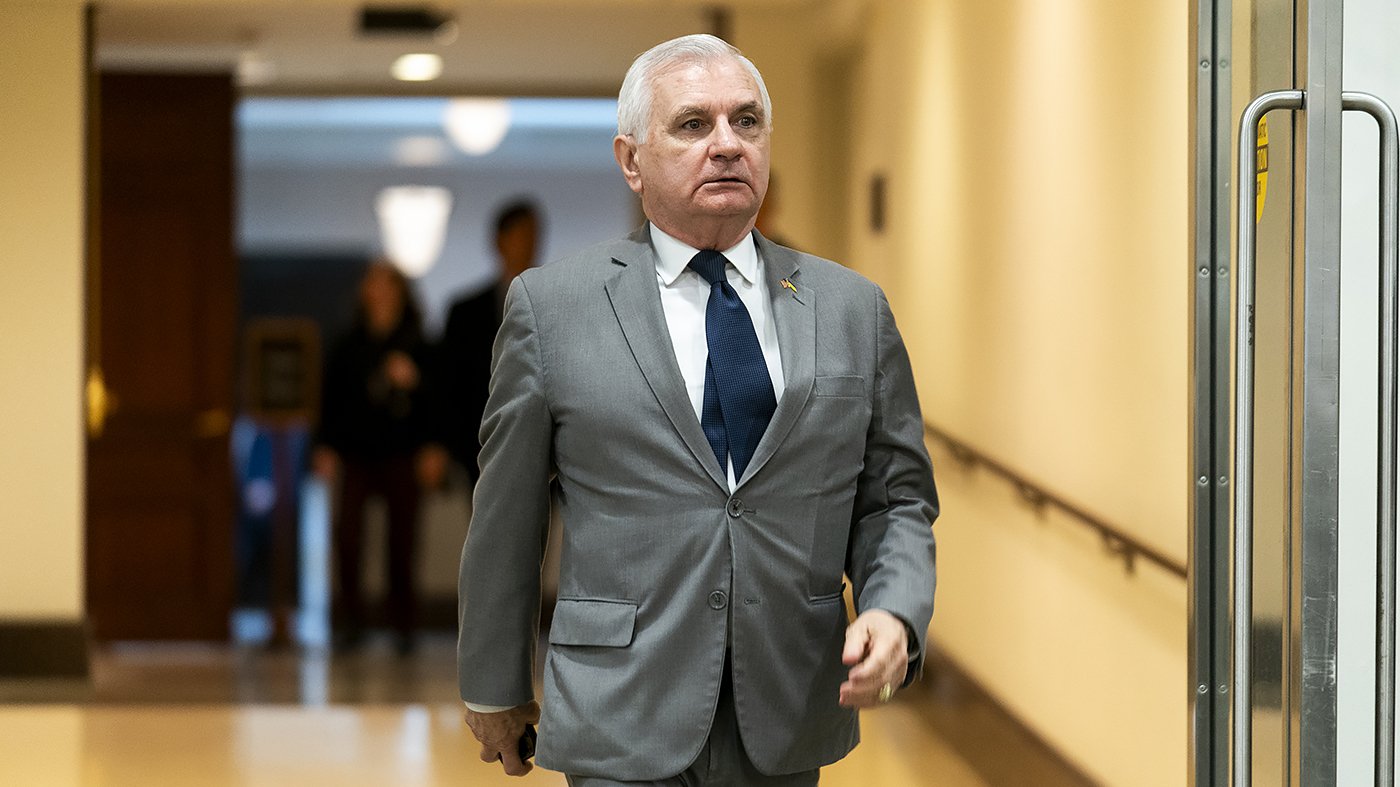
Sen. Jack Reed (D-R.I.), the top Democrat on the Senate Armed Services Committee, told Fox News Sunday that the terms represent a step back from the 2015 Joint Comprehensive Plan of Action (JCPOA). “We’re getting basically less than what we had under the JCPOA, which President Trump walked away from,” Reed said. He added that Trump “wants to give himself a birthday present” as the president turns 80 on Sunday.
The deal comes after a protracted conflict that cost the U.S. billions of dollars and 14 service members killed. Reed noted the heavy price paid, saying, “So, we have spent billions of dollars. We’ve lost 14 personnel killed in action, hundreds wounded, and we’ve disrupted the world economy. And we’re getting basically less.”
Rep. Seth Moulton (D-Mass.), a member of the House Armed Services Committee, was more blunt, calling the reported terms “basically a surrender document” from Trump to Iranian Supreme Leader Mojtaba Khamenei. “I mean, $100 billion of taxpayer money already put into this war, 14 Americans dead, and we get a deal that just reopens the strait that was already open before he started the war? How is that a win?” he told MS NOW.
House Minority Leader Hakeem Jeffries (D-N.Y.) appeared on NBC’s Meet the Press and labeled the war itself “reckless” and “a disaster.” He criticized Trump for pulling out of the original nuclear deal, arguing that Iran is now “stronger” and Americans are “less safe.” “As it relates to strengthening the national security of the American people, things aren’t better for us,” Jeffries said.
Jaime Harrison, former chair of the Democratic National Committee, said the backlash was predictable because Democrats “didn’t think that we needed to be engaged” in Iran from the start. The vast majority of congressional Democrats have voted to force Trump to wind down the conflict via war powers resolutions. “I think there’s a lot of frustration. And I think the appetite for the American people for a long engagement in this region is short to none,” Harrison told NewsNation Live.
On the diplomatic front, Iranian Foreign Ministry spokesperson Esmail Baghaei contradicted Trump’s claim that the deal would be signed Sunday. “It will NOT happen tomorrow, but it could take place in the coming days,” Baghaei told state media, citing “the other side’s inconsistency.” Trump had earlier said the Strait of Hormuz would “be opening shortly.”
The deal’s terms include the release of $25 billion in frozen Iranian assets, with Tehran agreeing not to pursue nuclear weapons, according to a senior Iranian official. Critics argue this falls short of the JCPOA’s more stringent restrictions and inspections.
As the political battle intensifies, some Democrats are already looking ahead to the 2028 election cycle, with figures like Sen. Jon Ossoff seen as potential standard-bearers. Meanwhile, internal party divisions over national security and foreign policy continue to simmer.