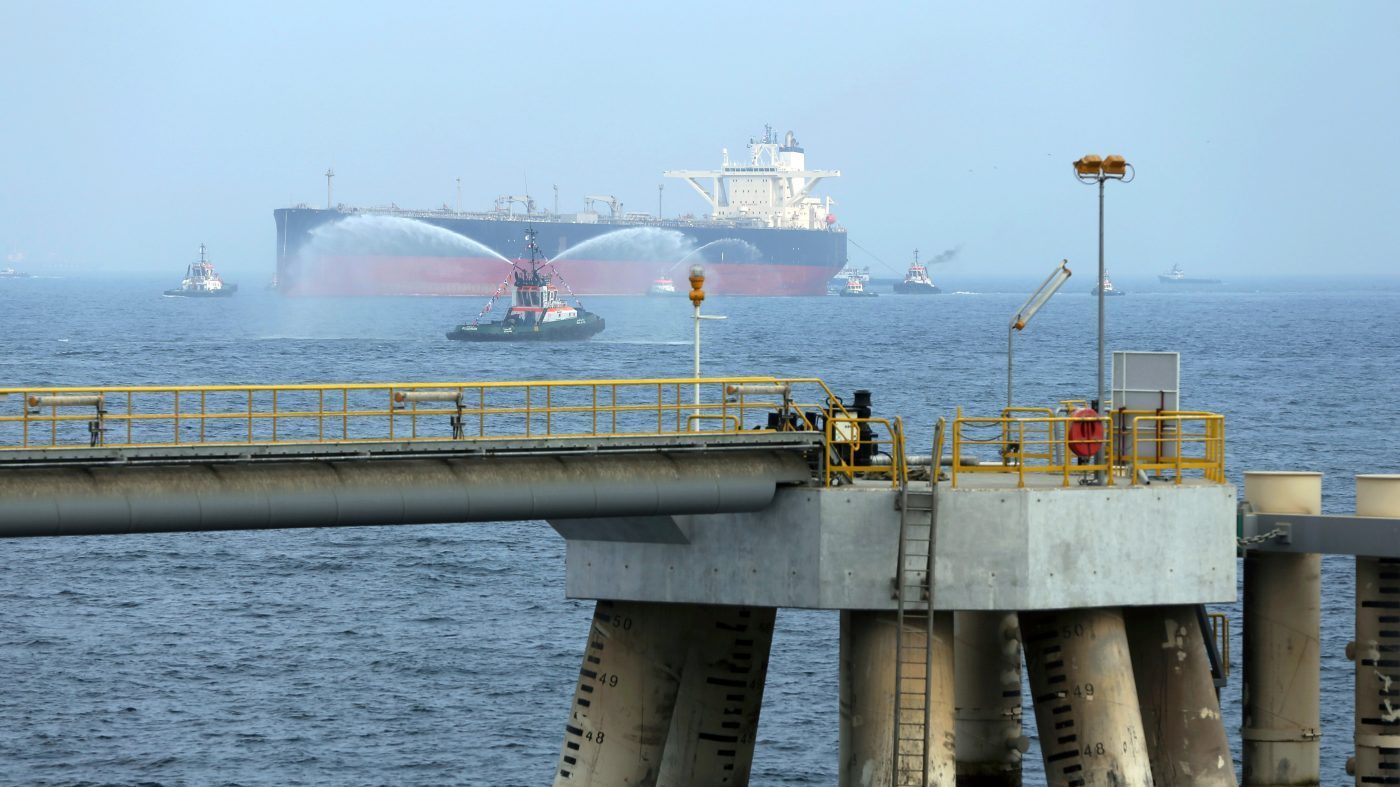
Oil prices surged Wednesday as renewed hostilities between the United States and Iran rattled global markets. International benchmark Brent crude settled at approximately $91 per barrel by late afternoon, a sharp rebound from earlier-week lows near $83.
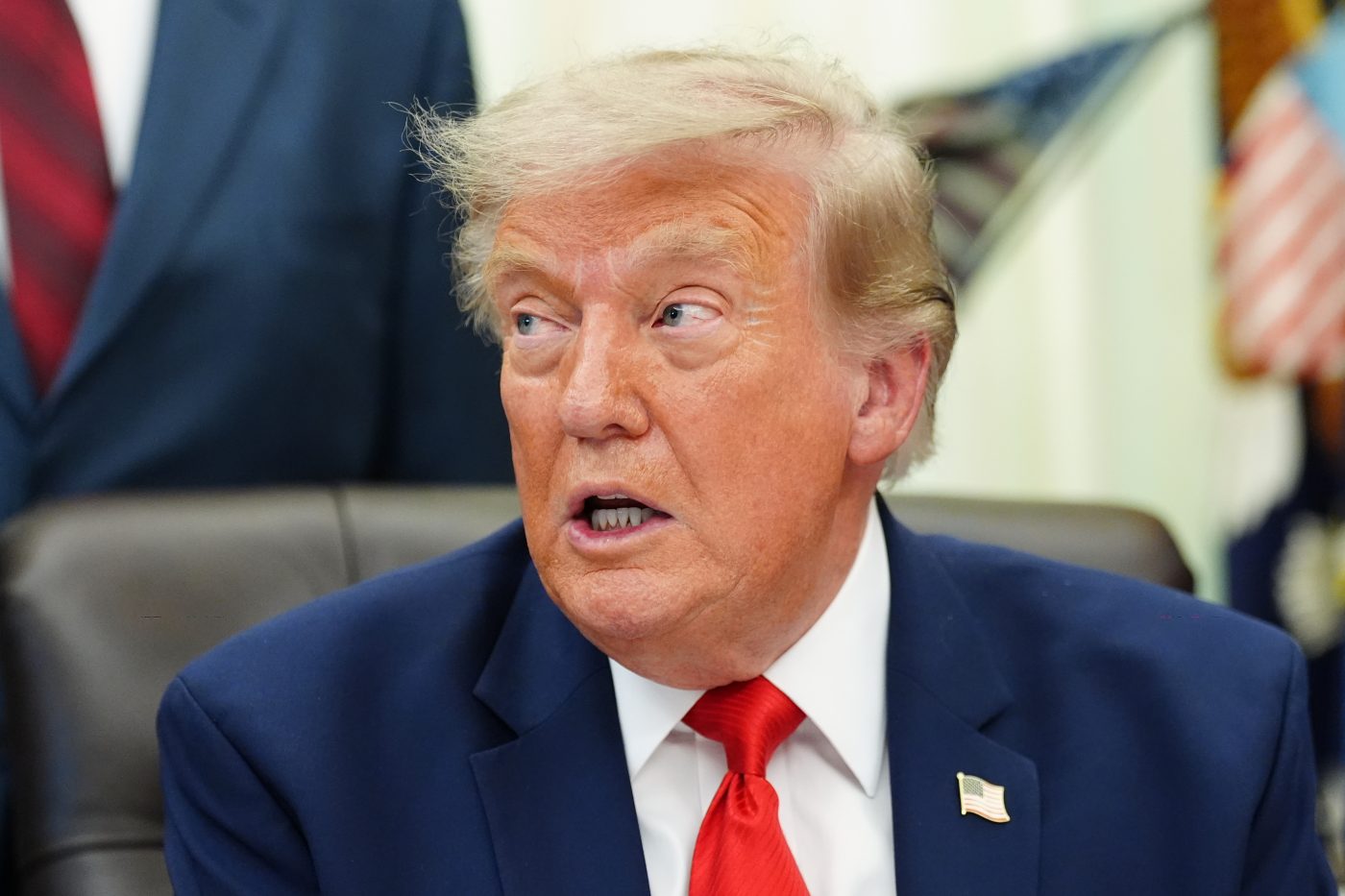
The price spike followed Iran's missile strike on a U.S. military installation in Jordan, marking a significant escalation in the ongoing confrontation. President Donald Trump responded forcefully in an interview with Fox News, vowing to "beat the f---ing s--- out of" Iran and declaring, "They're going to get a beating."

This latest jump comes after a period of relative calm. Last week, Brent had soared as high as $101 per barrel before a brief ceasefire pulled prices down. Wednesday's rally, while substantial, still leaves crude below those pre-ceasefire peaks.
Market Implications
The volatility underscores how deeply intertwined oil markets are with geopolitical risk in the Middle East. Analysts warn that any disruption to supply from the Strait of Hormuz, a critical chokepoint for global oil shipments, could send prices spiraling further. The United States has struck Iran-backed militias in Iraq in recent days, adding to the combustible atmosphere.
For American consumers, the ripple effects are already visible. AAA reported the national average gasoline price at $4.09 per gallon on Wednesday, a level that could climb if crude continues its ascent. Higher fuel costs threaten to squeeze household budgets and complicate the Federal Reserve's inflation fight.
Political Fallout
The crisis is testing the limits of executive power. Some lawmakers are urging Trump to seek a formal congressional war declaration before committing to broader military action against Iran. Critics argue the administration's aggressive posture risks dragging the U.S. into another prolonged Middle Eastern conflict without legislative approval.
Meanwhile, the president's combative rhetoric has drawn both praise from hawks and concern from diplomats who fear it may foreclose off-ramps. The situation remains fluid, with no clear de-escalation in sight.
Energy markets will be watching closely for any signs of supply disruption or diplomatic breakthrough. For now, the trajectory is upward—and the fuse is short.