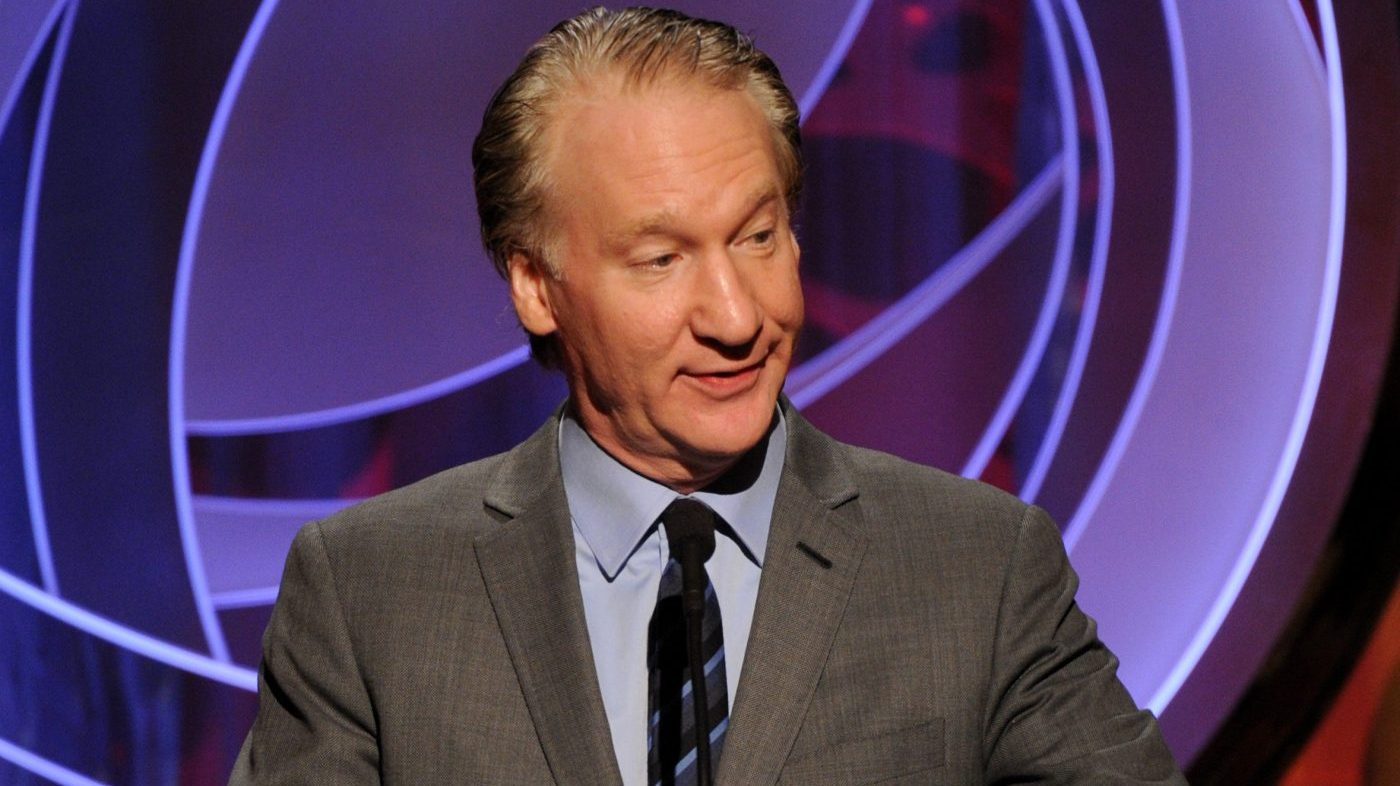
Comedian Bill Maher has reignited a two-decade-old controversy, using his HBO platform to label Democratic politicians as "cowards" while doubling down on his assertion that the September 11 hijackers were not cowardly—a remark that cost him his ABC show in 2001.
During Friday's episode of Real Time, Maher referenced his past cancellation, saying, "I know a guy whose show got canceled just for saying the terrorists weren't cowards. And that guy was right. They weren't cowards, but I'll tell you who is: Democratic party politicians."
Maher tied his criticism to the party's handling of the Gaza conflict, describing a "moral confusion" within Democratic ranks. He argued that Gaza "was not part of the original Israel, but which they won in a war launched against them, but then gave back as a peace gesture." He also dismissed rapper Macklemore's characterization of the situation as a genocide, calling it a "counter attack in a war."
The comedian's original comments came shortly after the 9/11 attacks, when he said that flying a plane into a building "is not cowardly," and that the United States had been "the cowards, lobbing cruise missiles from 2,000 miles away." He later apologized, clarifying that his remarks were aimed at government officials, not the military.
Maher's latest broadside reflects a broader split among Democrats over Israel policy that is already shaping key races ahead of the 2028 election. He has previously signaled openness to voting for Vice President J.D. Vance in that contest, citing a growing democratic socialist wing in his own party.
On Friday, Maher said Democrats are "cheering for the intifada"—an Arabic term for uprising often linked to Palestinian resistance—and declared, "Cut! I'm out." He concluded, "They're cowardly."
The remarks are unlikely to ease tensions within a party already grappling with its stance on the Middle East, as evidenced by recent unity calls from former presidents on the 9/11 anniversary. Maher's commentary also comes amid a broader debate over the legacy of the attacks, which reshaped America's global strategy in profound ways.