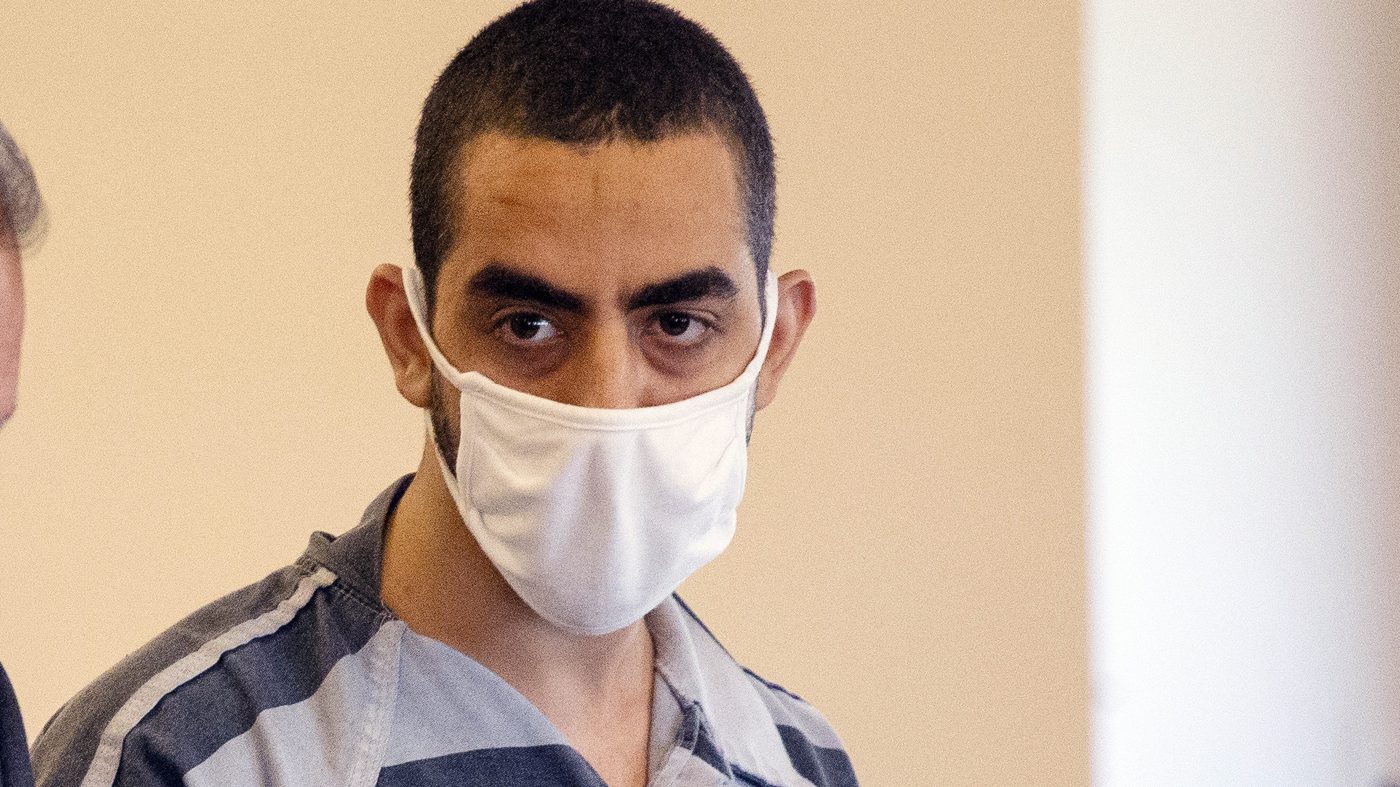
A federal jury in New Jersey has convicted 28-year-old Hadi Matar on terrorism-related charges stemming from the 2022 stabbing of author Salman Rushdie, the Department of Justice announced Wednesday. The verdict marks a significant win for federal prosecutors in a case that underscored the enduring threat of Iranian-backed extremism on American soil.
Charges and Evidence
Matar, a Fairview, N.J. resident, was found guilty of attempting to provide material support to Hezbollah, engaging in an act of terrorism that crossed national boundaries, and providing material support to terrorists. The DOJ's evidence showed that Matar spent over a year immersing himself in Hezbollah's violent ideology and preparing to act on a fatwa issued by Iran's Ayatollah Ruhollah Khomeini in 1989, which called for Rushdie's death over his novel The Satanic Verses.

Assistant Attorney General for National Security John A. Eisenberg said in a statement: "Matar spent more than a year immersing himself in Hizballah's violent ideology and preparing to act on a fatwa issued by Iran's Ayatollahs calling for Mr. Rushdie's murder. His brutal attack on Mr. Rushdie during a peaceful speaking event is a chilling reminder of the global reach of Iranian terrorism. With today's verdict, justice has been done, and Matar will pay for his crimes."
The Attack
On August 12, 2022, moments before Rushdie was to deliver a lecture at the Chautauqua Institution in western New York, Matar rushed the stage and stabbed the author multiple times in the neck. The attack also wounded Rushdie's co-moderator, but Rushdie suffered life-threatening injuries and was placed on a ventilator. He survived after extensive surgery but lost sight in one eye and sustained permanent damage to his hand.
The case has drawn parallels to broader concerns about federal terrorism removal proceedings and the legal frameworks used to prosecute individuals inspired by foreign extremist groups.
Sentencing and Context
Matar faces a maximum sentence of life in prison at his November sentencing. Prosecutors argued that his actions were not impulsive but the culmination of a calculated plot rooted in the 1989 fatwa, which Khomeini issued after the publication of The Satanic Verses. The novel sparked global outrage among many Muslims who deemed it blasphemous.
The DOJ's case relied heavily on digital evidence showing Matar had researched the fatwa extensively and expressed admiration for Khomeini. The verdict comes amid ongoing scrutiny of federal policies on religious extremism and their intersection with national security.
Rushdie, who lived under a death threat for decades, has continued to write and speak publicly. The conviction sends a message that the United States will aggressively prosecute those who carry out or support terrorism, even when the plot is decades old.
The case also highlights the Justice Department's focus on domestic terrorism threats linked to foreign actors, a priority that has persisted across administrations.