Former President Donald Trump issued a direct call for Republican unity on Tuesday, urging House members to support a straightforward renewal of the government's warrantless surveillance powers under Section 702 of the Foreign Intelligence Surveillance Act. The authority, which permits intelligence agencies to monitor foreign targets abroad but frequently collects communications involving Americans, faces a critical reauthorization vote.
In a social media statement, Trump emphasized the need for a "clean" extension without amendments. "I am asking Republicans to UNIFY, and vote together on the test vote to bring a clean Bill to the floor," he wrote. "We need to stick together when this Bill comes before the House Rules Committee today to keep it CLEAN!" His position aligns with that of House Speaker Mike Johnson (R-La.), who told reporters that adding amendments would "jeopardize its passage" of what he called a "far too important" national security tool.
Internal GOP Divide Over Surveillance Reforms
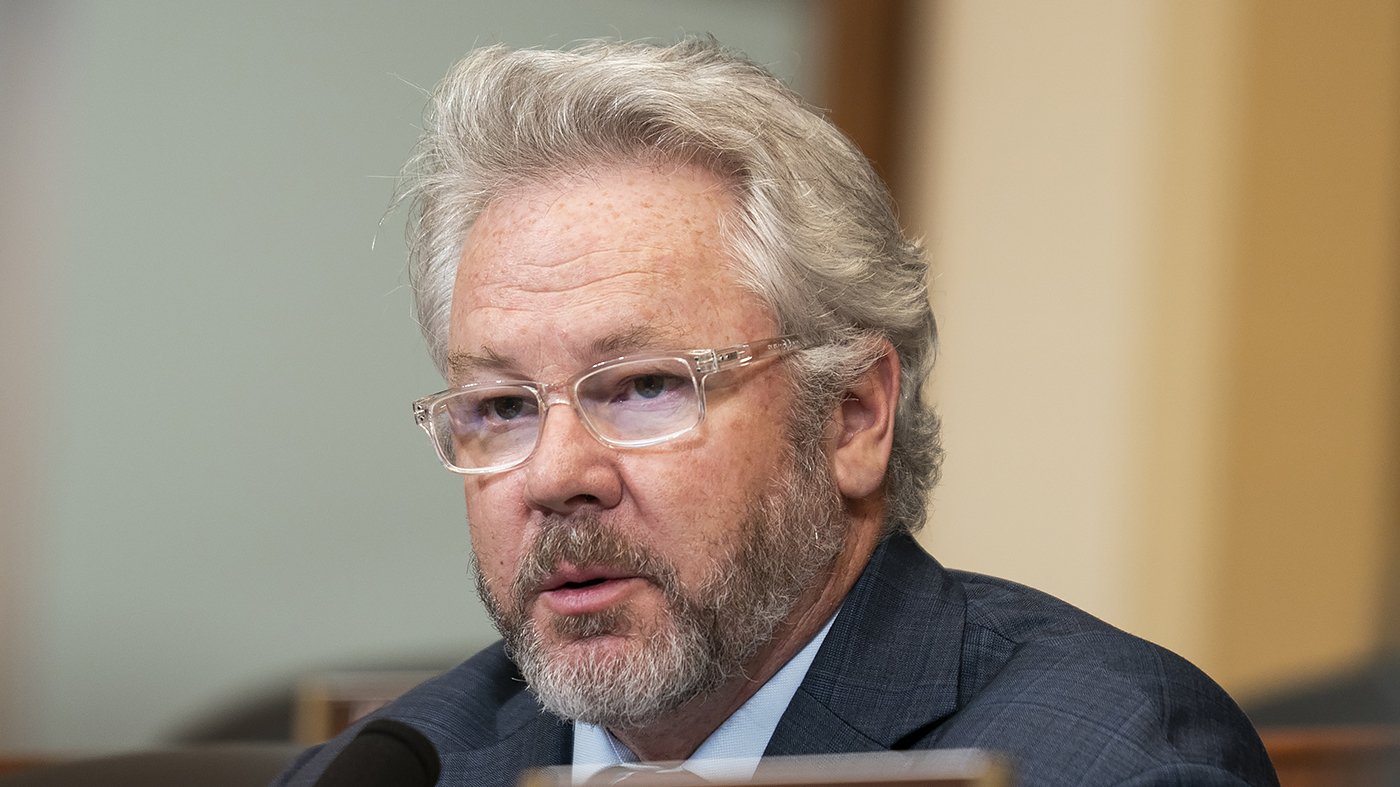
The push for a clean reauthorization clashes with efforts by privacy-focused Republicans who have long sought to impose a warrant requirement for queries involving U.S. persons. While some prominent GOP advocates have softened their demands recently, Representative Warren Davidson (R-Ohio) announced plans to introduce an amendment targeting another contentious issue: the government's purchase of data from commercial brokers.
"Reauthorizing FISA Section 702 without any reforms to protect privacy would be a major disservice to the American people," Davidson stated on social media. "I urge Congress to consider my amendment to close the data broker loophole and restore Americans' Fourth Amendment protections." This practice, confirmed last month by FBI Director Kash Patel, allows agencies to acquire sensitive information like cellphone location data without a warrant—exploiting a legal gap after the Supreme Court restricted such collection directly from carriers.
Trump's Nuanced Stance on FISA Authorities
In his Tuesday remarks, Trump notably refined his typically broad criticisms of FISA. While he has repeatedly claimed the law was weaponized against his 2016 campaign, he specifically distinguished between the domestic surveillance authority used in that instance and the foreign-focused Section 702 now up for renewal. "When the Dirty Cop, James Comey, the failed Head of the FBI, went after me, he was using FISA Title I, the Domestic Collection, not FISA 702, the Foreign Collection, which needs to be extended today," he wrote.
Trump framed the extension as critical for military success, asserting, "Our Military desperately needs FISA 702, and it is one of the reasons we have had such tremendous SUCCESS on the battlefield, both in Venezuela and Iran." This comment follows his recent signals about ongoing negotiations with Iran and references to Venezuelan operations, a region where his administration's policies, including controversial deportation flights, remain legally contested.
The debate occurs amid broader scrutiny of Trump's policy maneuvers and public statements. Some former allies have expressed concern about his recent conduct and decision-making, while his administration continues rolling out initiatives like a digital platform for the nation's 250th anniversary.
Director Patel defended the bureau's use of commercially available data during a Senate hearing last month, stating it is "consistent with the Constitution and the laws" and "has led to some valuable intelligence for us." This justification has done little to assuage civil liberties advocates who argue the practice constitutes an end-run around constitutional protections.
With Speaker Johnson backing a clean extension and Trump applying pressure from outside official channels, the stage is set for a defining intraparty clash. The outcome will determine not only the future of a cornerstone surveillance program but also the balance of power between national security priorities and privacy rights within the Republican conference as critical votes approach.