A New York Times analysis published Monday has reignited a contentious political debate, centering on Donald Trump's recent conduct and raising pointed questions about his mental sharpness. The report, which scrutinizes a pattern of extreme rhetoric and unorthodox behavior, suggests concerns once confined to political opponents are now being voiced by some former supporters and officials from his own administration.
Pattern of Unrestrained Behavior
Observers note a shift in Trump's demeanor during his current political campaign, marked by longer, more profane speeches and reported instances of inattention. The scrutiny extends beyond style to substance, focusing on a series of disjointed public statements. These include a stark threat toward Iran, where he declared "a whole civilization will die tonight," later telling the New York Post he was "willing to do it." This aggressive posture toward Tehran comes amid ongoing but stalled negotiations with Iran, adding a layer of volatility to delicate diplomacy.
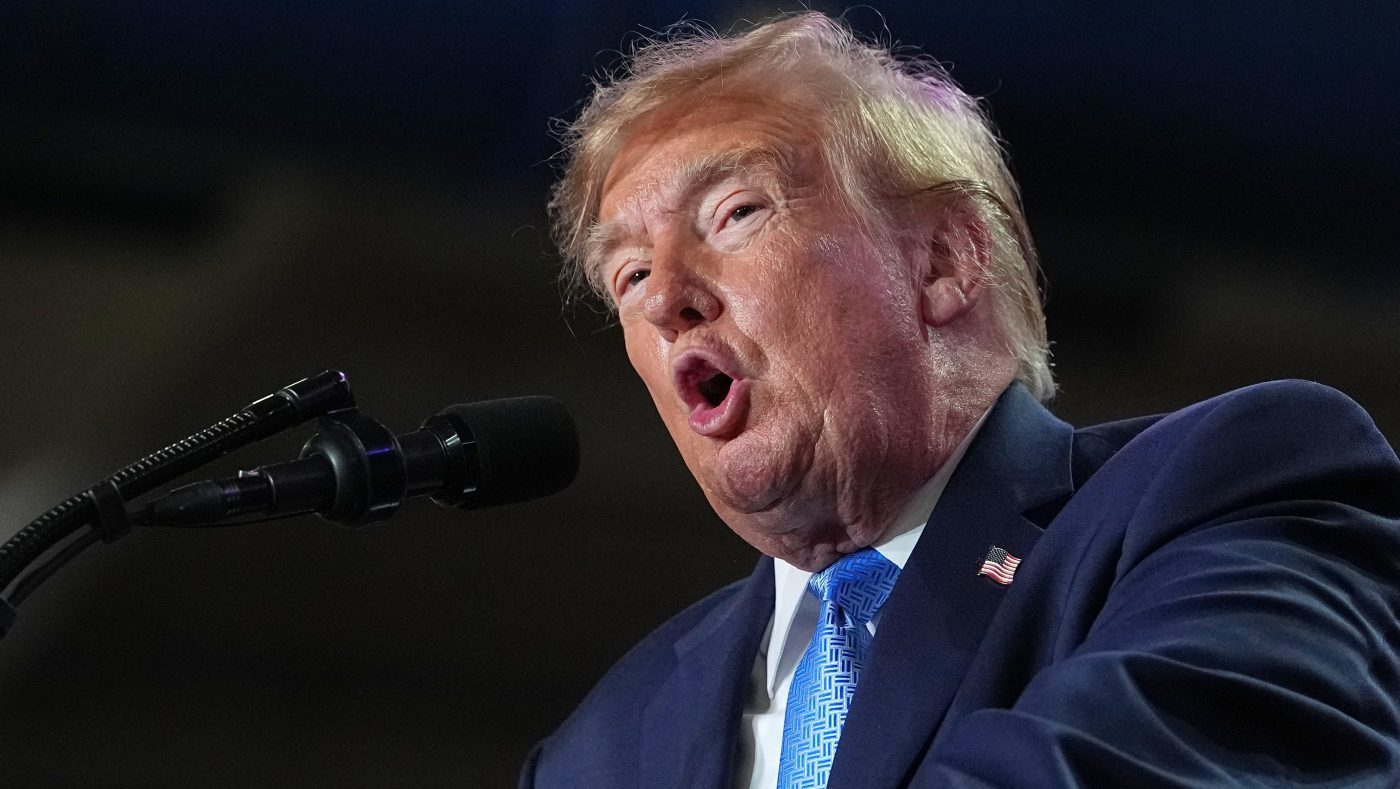
Further amplifying concerns was Trump's direct criticism of Pope Francis, whom he labeled "WEAK on Crime, and terrible for Foreign Policy." This attack follows his recent rebuke of Italian Prime Minister Giorgia Meloni over similar issues, indicating a broader friction with Catholic leadership. The controversy was compounded by his campaign's dissemination of an image, later deleted, that many interpreted as portraying Trump in a messianic light—a move that drew immediate blasphemy criticism from evangelical figures.
Criticism from Within the Fold
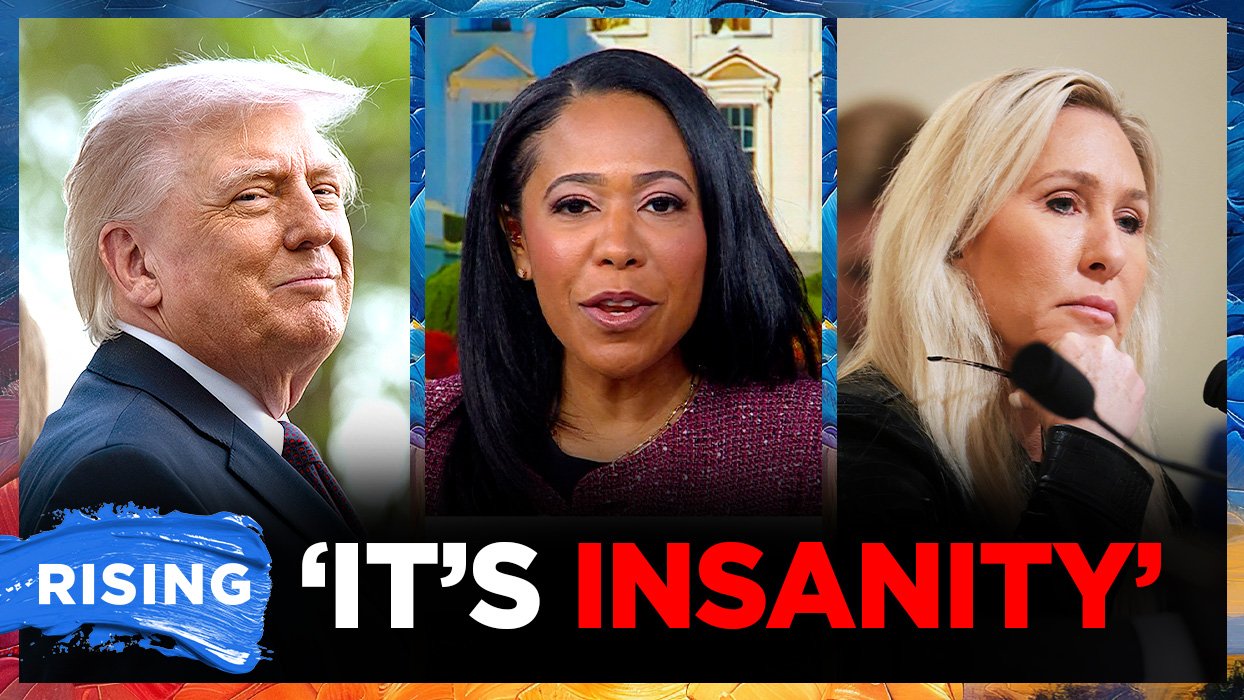
The most striking aspect of the current debate is its source. Sharp condemnation is no longer emanating solely from the left. Former Rep. Marjorie Taylor Greene (R-Ga.), who recently distanced herself from Trump, characterized his Iran threat as "not tough rhetoric, it's insanity." Perhaps more damning is commentary from former administration insiders. Ty Cobb, who served as White House lawyer, stated plainly that Trump is "a man who is clearly insane."
This internal dissent suggests a widening rift, as even some who once enabled his agenda now publicly question his stability. The sentiment is not merely anecdotal. A recent Reuters/Ipsos poll found that 61% of Americans believe Trump has grown more erratic with age, indicating a significant public perception shift that could impact his electoral prospects.
The Strategic Defense
Trump and his closest allies forcefully reject these characterizations. Their counter-argument frames what critics label as erratic behavior as a deliberate and strategic form of unpredictability—a tool to keep adversaries, both foreign and domestic, off-balance. Trump himself has frequently pointed to cognitive tests he claims to have aced as proof of his mental capability.
This defense creates the central tension of the issue: Is the conduct a calculated, if unconventional, political strategy, or does it signal a genuine decline in faculties? The question carries immense weight because the presidency operates under unparalleled pressure, particularly during periods of global tension and conflict. The stakes transcend political theater, touching on core national security and diplomatic responsibilities.
Beyond Politics: A Question of Fitness
The debate ultimately moves past whether such behavior is politically effective to whether it is compatible with the demands of the Oval Office. In moments of potential crisis, clarity and stability are paramount. When a leader's statements threaten the annihilation of a civilization or spark diplomatic fires with major religious institutions, the conversation necessarily shifts from campaign tactics to fundamental fitness for duty.
This scrutiny occurs against a backdrop of broader institutional challenges and policy reversals from Trump's first term, including complex legal battles over initiatives like the Venezuelan deportation flights and the impending refund of billions in invalidated tariffs. It also intersects with growing public skepticism toward institutions, as seen in a separate Gallup poll showing record-low confidence in environmental governance. The collective effect is a political environment where the stability and judgment of leaders are under a microscope.
As the 2024 campaign intensifies, Trump's behavior guarantees that questions about his mental acuity will remain a persistent undercurrent. The discussion, fueled by reporting, polling, and defections from his own camp, presents a challenge that his campaign must manage—not just as a public relations issue, but as a fundamental question about preparedness for the world's most powerful office.