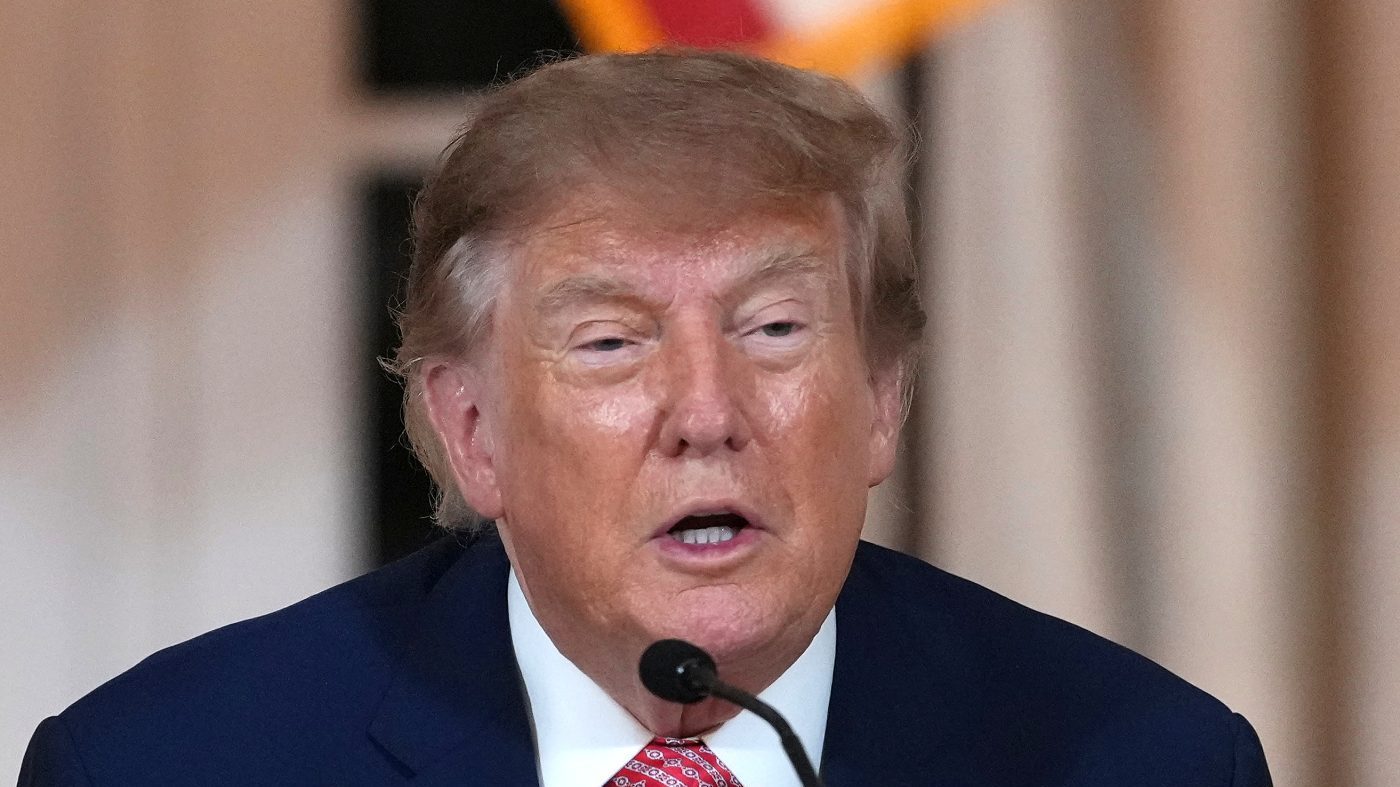
President Donald Trump faced a pair of significant legal defeats last week, with federal judges in Washington and Florida delivering rulings that could unravel two of his most controversial initiatives.
Kennedy Center Name Ordered Removed
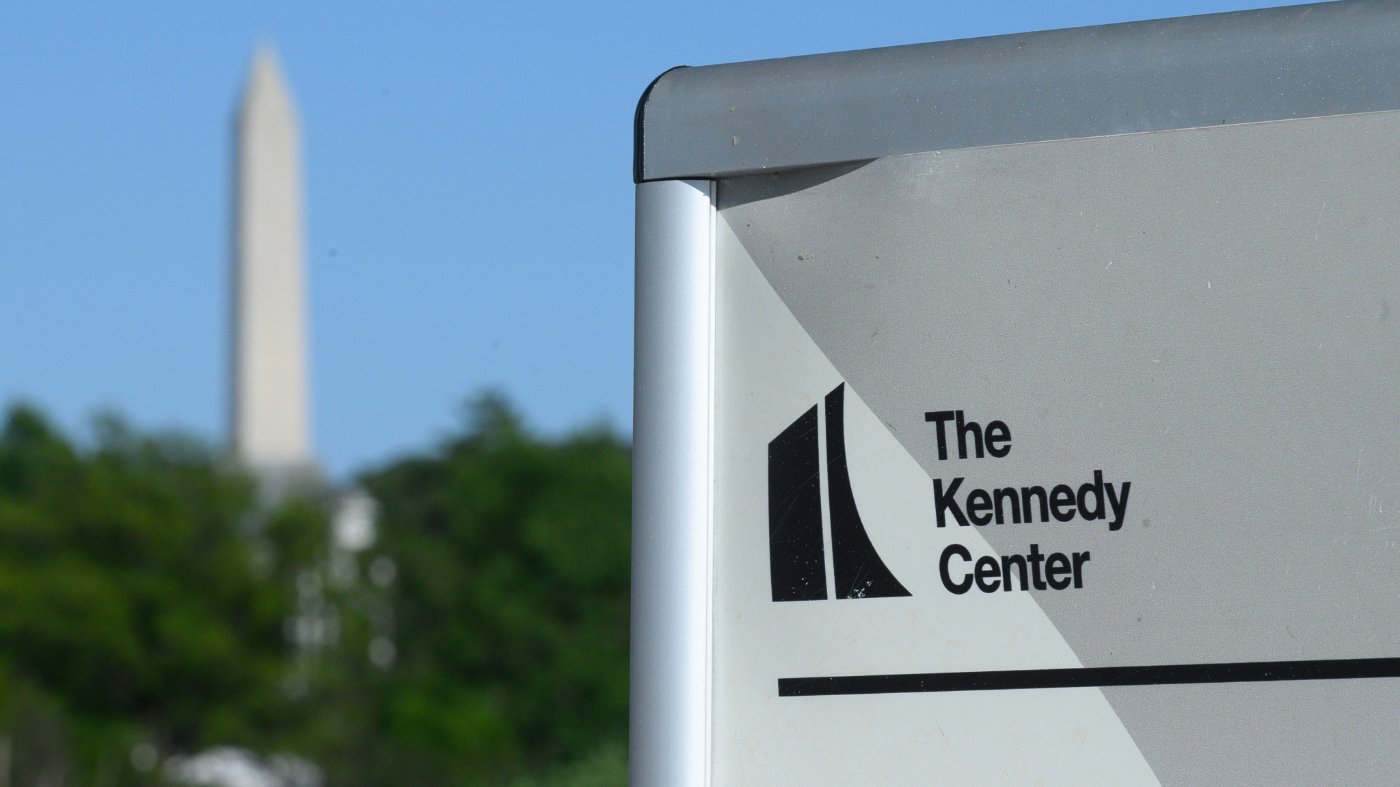
In Washington, U.S. District Judge Christopher R. Cooper ruled that the Kennedy Center must strip Trump's name from its facade. “Congress gave the Kennedy Center its name, and only Congress can remove it,” Cooper wrote, temporarily blocking the center's board from closing the venue for renovations. The Trump-appointed board had voted in December to rename the building “The Donald J. Trump and the John F. Kennedy Memorial Center for the Performing Arts,” a change workers implemented within a day.
Trump responded with characteristic defiance, claiming that “Judge Cooper and the Radical Left would rather see it DIE than have President Trump transform it into something that everyone could be proud of.” He also alluded to his proposed $250 bill, which has drawn bipartisan criticism.
IRS Settlement Under Fraud Scrutiny
In Florida, Judge Kathleen Williams authorized an investigation into Trump's $1.8 billion settlement with the IRS, a deal that critics call a “slush fund” designed to reward allies, including those convicted for the January 6 Capitol attack, while providing $600 million in tax relief to Trump and his family. Williams ordered Trump's legal team to explain by June 12 why the case should not be reopened, citing “grievous allegations” that the settlement was “premised on deception.”
Thirty-five former federal judges had urged Williams to void the deal, arguing it represented a “fraud on the court.” They noted that Trump abruptly dropped his baseless lawsuit—claiming the IRS owed $10 billion over leaked tax returns—just as Williams questioned whether the case had a legitimate constitutional controversy. The settlement was disclosed only after Williams closed the case, with the Justice Department releasing a separate addendum granting immunity from future IRS audits.
The deal was signed by Acting Attorney General Todd Blanche, who faces political heat as he testifies on Capitol Hill, and Stanley E. Woodward Jr., a former defense attorney for Trump associates. IRS CEO Frank Bisignano, a position not subject to Senate confirmation, also signed the agreement. A Virginia federal judge has temporarily blocked further steps to create the fund, and lawmakers from both parties have condemned it.
Williams noted in a footnote that the immunity provision may violate Justice Department rules requiring settlements to be directly related to the lawsuit's issues. She asserted her authority to “investigate serious misconduct” and determine if the court was deceived.
These twin rulings represent a sharp check on Trump's post-presidential maneuvers, with potential implications for his political operations and legacy. As one former prosecutor noted, the question now is what Judge Williams or Congress will do if fraud is confirmed.