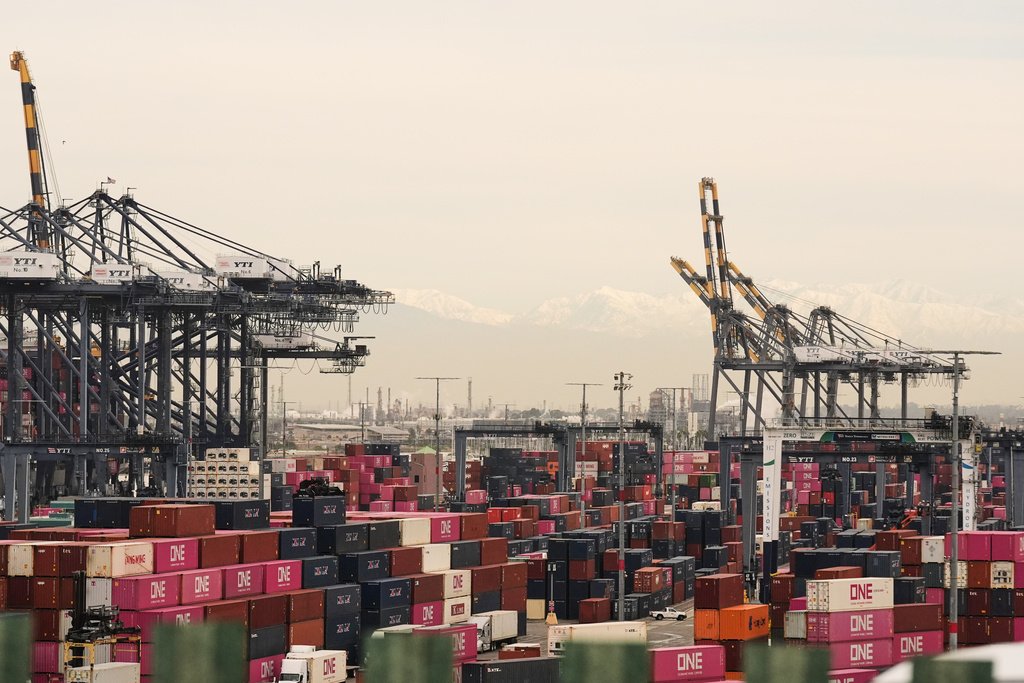
American households continue to wrestle with elevated prices across essentials like food, fuel, and housing. A significant driver of these costs lies in supply chain bottlenecks, many of which are exacerbated by well-intentioned but economically damaging environmental mandates. One such regulation, born from a California state initiative and enabled by a Biden-era Environmental Protection Agency (EPA) waiver, is now in the crosshairs of affordability hawks.
The California Air Resources Board's Vessels At-Berth rule requires cargo ships docking at state ports to plug into shore-side electricity or use expensive approved equipment to cut emissions, or face hefty penalties. While this is a state-level mandate, it only exists because the EPA granted California a waiver under the Clean Air Act, effectively allowing the state to impose its own stricter standards. The result is a significant added cost for shipping companies, which inevitably filters through to consumers.

California's ports handle nearly 40% of all U.S. imports, meaning the financial impact of this rule does not stay within state borders. The state itself projects compliance costs will exceed $2.2 billion through 2032. These costs, as with any regulatory burden, are passed along the supply chain, ultimately showing up as higher price tags on clothing, appliances, construction materials, and toys across the country.
Critics argue that the rule provides minimal environmental benefit—it does not reduce toxic waste or other local harms—while imposing a massive economic toll. "Every extra dollar imposed at the port eventually shows up on store-shelf price tags," said Sam Raus, a David Boaz Resident Writing Fellow at Young Voices, who authored a recent analysis of the policy. He contends that the Trump administration has a clear path to undo this.
Under the Congressional Review Act, the EPA can revisit and revoke the waiver it granted to California. This would nullify the Vessels At-Berth rule, eliminating billions in avoidable supply-chain costs. The administration has already signaled its focus on affordability, taking steps to roll back regulations on energy, housing, and healthcare. Reversing this waiver aligns directly with that agenda.
As the White House works to ease inflationary pressures, leaving such a costly regulatory burden in place would be a missed opportunity. While repealing this waiver won't solve every economic challenge, it is a practical, immediate step toward reducing the hidden taxes on everyday goods. If the administration is serious about making life more affordable, California's port mandate should be at the top of the chopping block.
This is not just a state issue; it's a national one. The ripple effects of California's policy are felt in every corner of the country, and undoing it would be a concrete victory for consumers. As the administration continues its deregulatory push, this waiver reversal stands out as an obvious and achievable win.