History offers a grim lesson for powerful nations: underestimating an adversary often precedes strategic disaster. Vladimir Putin discovered this in Ukraine. Adolf Hitler learned it on the Eastern Front. Now, President Donald Trump may be confronting a similar reality in Iran.
The Pattern of Costly Miscalculation
Leaders frequently initiate conflict expecting swift victory, only to encounter unexpected resilience. The reasons are multifaceted: flawed intelligence, pressure from influential factions, ideological fervor, or public demand for retribution. Often, these factors converge with what the late Senator J. William Fulbright termed the "arrogance of power"—the conviction that military and cultural superiority confers both the right and the duty to impose one's will.
Hitler's 1941 invasion of the Soviet Union exemplified this mindset. Viewing Slavs as Untermenschen (subhumans), Nazi Germany anticipated a rapid collapse, planning mass starvation and extermination. Instead, Soviet forces halted the Wehrmacht at Moscow and achieved decisive victories at Stalingrad and Kursk, ultimately marching to Berlin.
Putin's 2022 invasion of Ukraine followed a similar script. Convinced Ukrainians were inferior Russians awaiting "liberation," Moscow expected capitulation within days. The result has been a brutal stalemate, with Ukraine inflicting over a million Russian casualties and reclaiming territory while losing less than one percent of its land.
Trump's Iranian Calculus
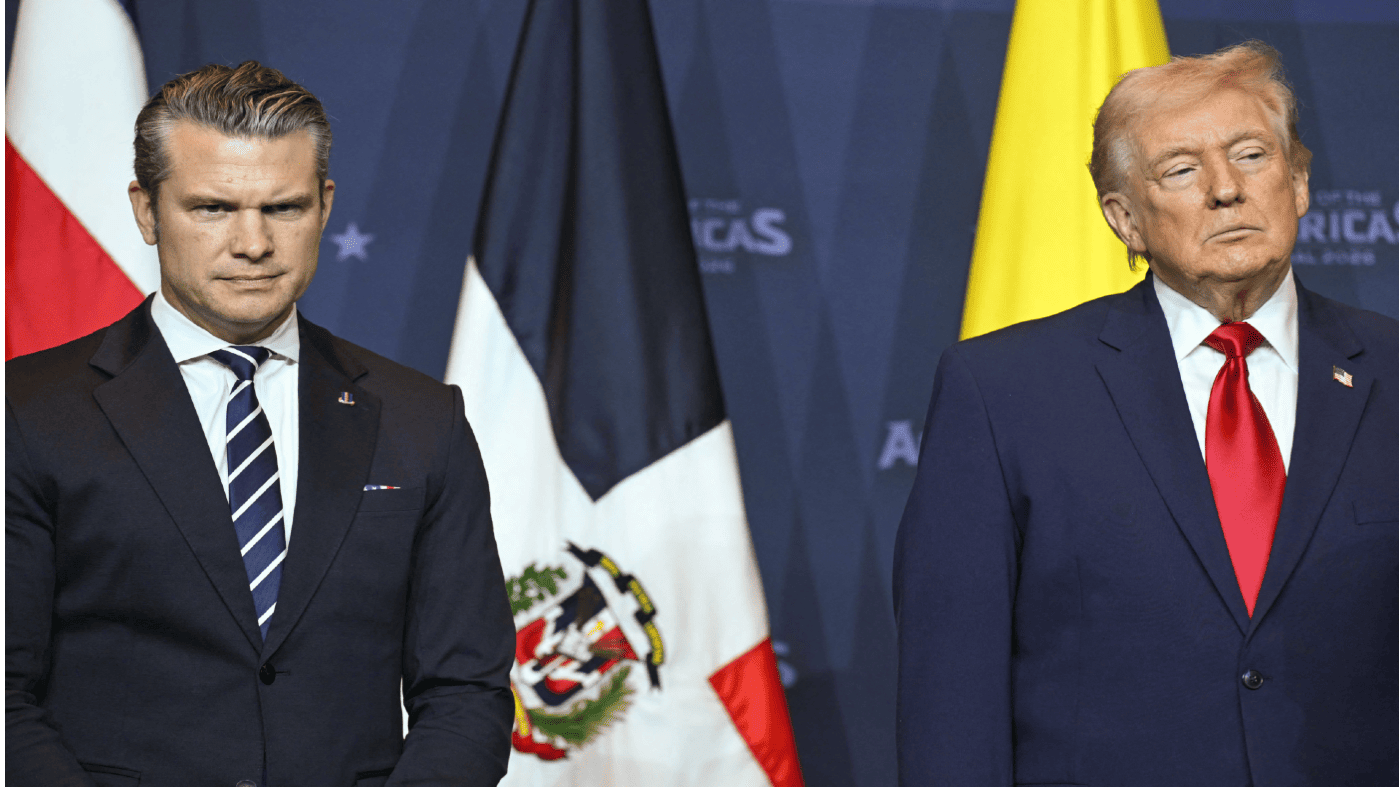
President Trump's approach to Iran initially appears to fit this pattern. He has repeatedly denigrated Iranian leadership, calling them "deranged scumbags" and labeling Iran the "loser" of the Middle East. Defense Secretary Pete Hegseth has echoed this rhetoric. However, a critical distinction emerges: while Hitler and Putin dismissed entire populations as inferior, Trump's contempt appears focused primarily on the regime.
In his announcement of "major combat operations in Iran," Trump devoted minimal attention to the Iranian people, briefly noting the regime's massacre of "tens of thousands of its own citizens" before emphasizing the nuclear threat. This suggests his potential miscalculation may be tactical—underestimating the regime's resilience—rather than a wholesale dismissal of Iranian capability or patriotism.
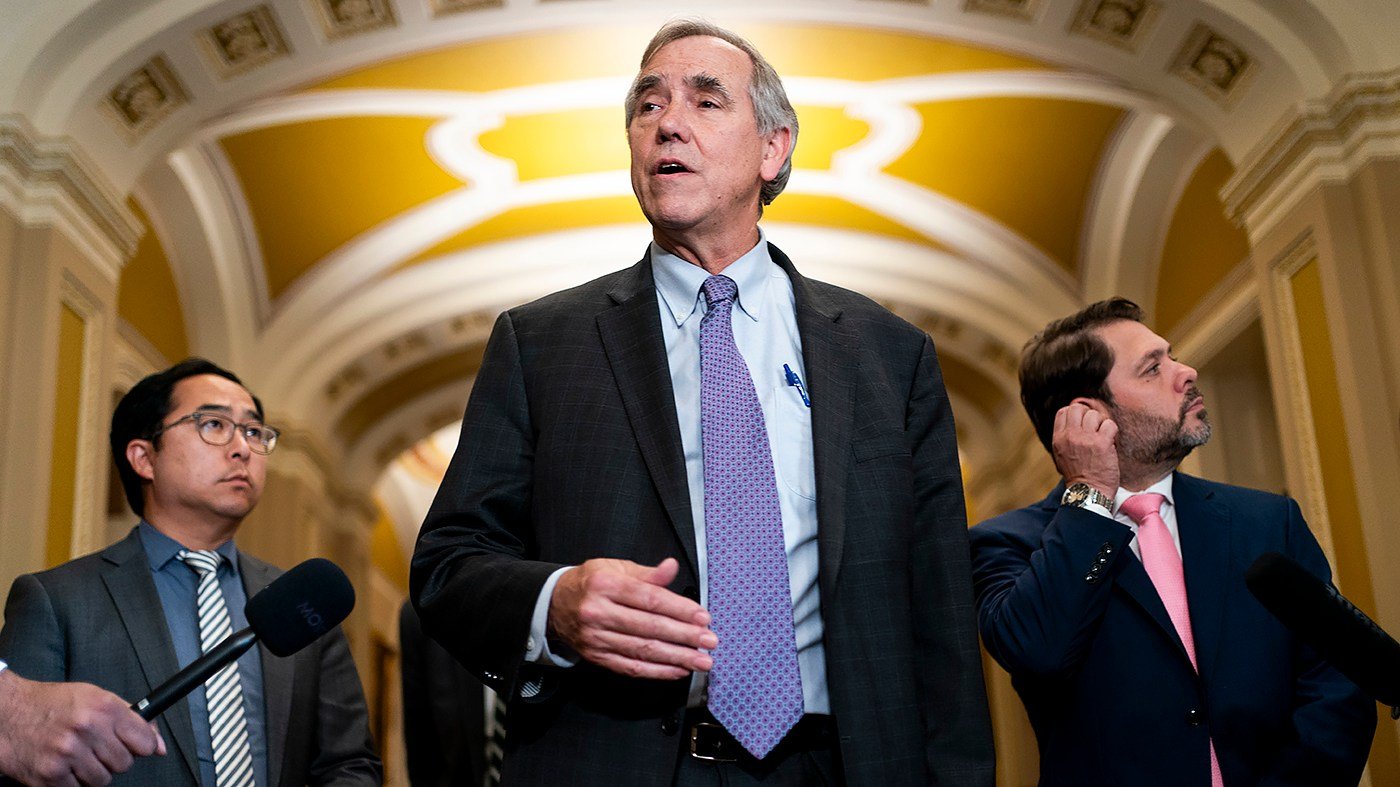
Nevertheless, the consequences could be severe. As Senator Chris Van Hollen has warned, escalating conflict risks grave humanitarian and legal repercussions. While a total U.S. defeat remains unlikely, a protracted conflict could result in significant American and Iranian casualties, soaring costs, and a surge of anti-American sentiment among ordinary Iranians witnessing their country's destruction.
The Diplomatic Counter-Narrative
Amid the military posture, conflicting signals about de-escalation have emerged. The administration has hinted at potential diplomatic openings, and Trump has paused strikes while claiming a breakthrough. These moves, including extending an ultimatum, suggest awareness of the risks of prolonged war. Israeli Prime Minister Benjamin Netanyahu has publicly stated Trump seeks a deal, though Tehran denies negotiations.
The strategic gamble extends beyond the battlefield. As Trump credits Hegseth as his first cabinet supporter for strikes, the administration is simultaneously pursuing domestic energy maneuvers, having struck a deal swapping offshore wind projects for LNG development.
The ultimate verdict on Trump's Iran policy remains pending. History suggests that when power breeds arrogance, and arrogance breeds underestimation, the outcome is rarely quick or clean. The lessons of Moscow in 1941 and Kyiv in 2022 loom large: nations and peoples, when fighting for their homeland, often prove far more formidable than their adversaries assume.