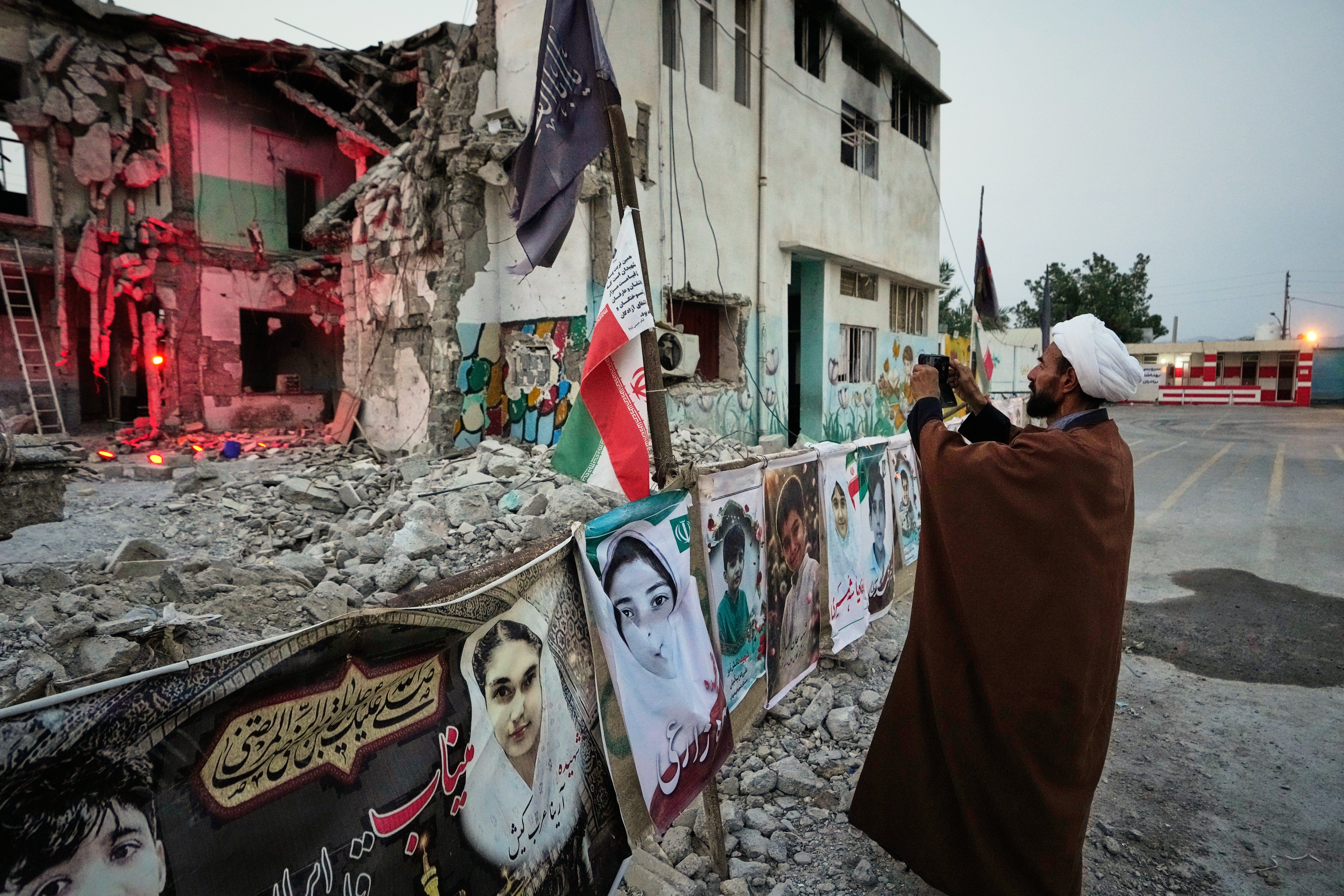
President Trump's “historic” agreement with Iran, which ended a four-month conflict, is shaping up to be a strategic disaster that undermines American credibility with its most significant adversaries: China, Russia, and North Korea. The deal, which requires Gulf states and private investors to pay Iran billions of dollars, has been characterized by Tehran as “reparations” for U.S. bombing—a framing that ignores decades of Iranian aggression against American and allied forces.
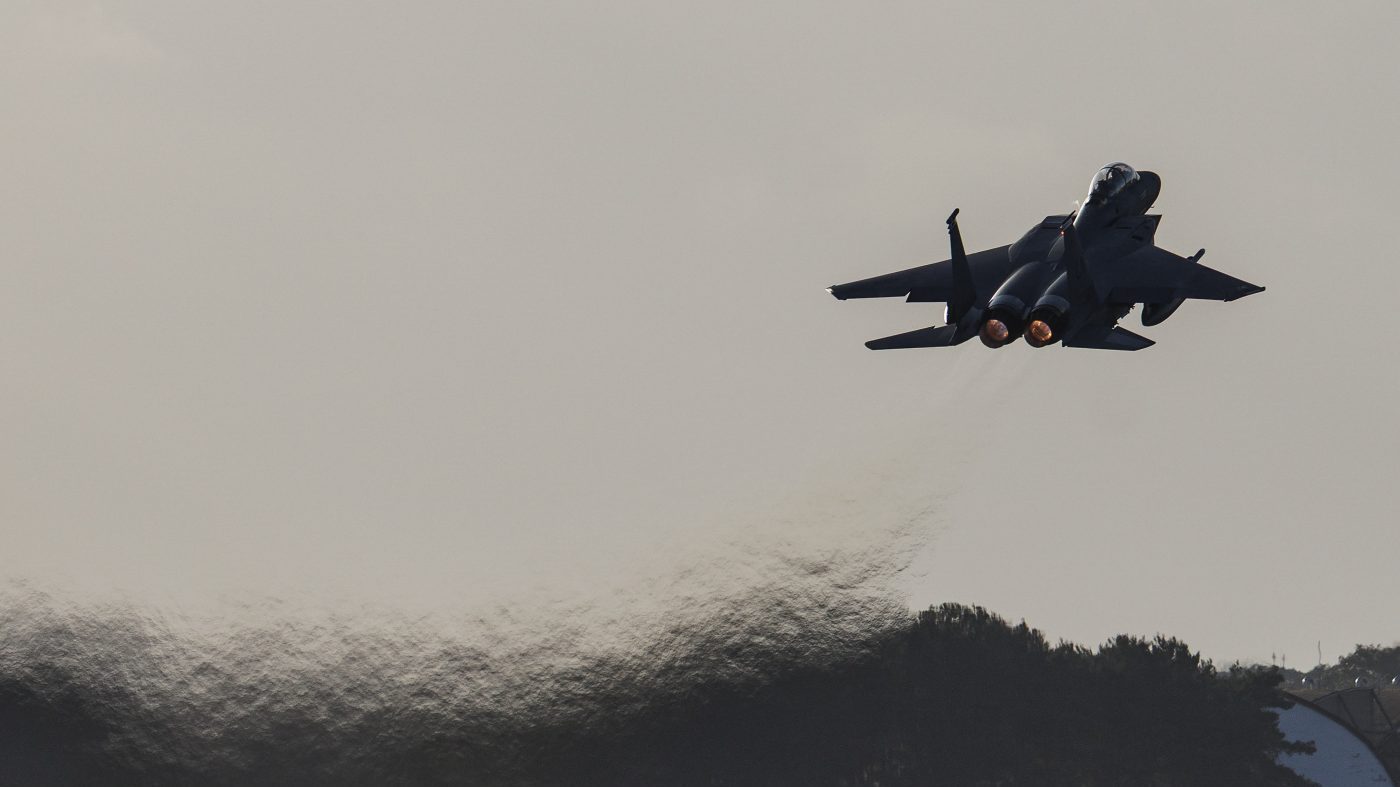
The conflict did achieve some tactical successes. Trump’s military campaign temporarily set back Iran’s nuclear weapons program, decimated its navy and air force, and degraded its air defense and ballistic missile capabilities. However, to reopen the Strait of Hormuz and secure the free flow of oil, the administration committed to a financial package that Iran’s anti-Western partners will likely see as a reward for aggression.
Iran’s immediate violation of the ceasefire terms underscores the futility of relying on the Islamic Republic’s commitments. The deal is more favorable to Iran than the Obama-era Joint Comprehensive Plan of Action (JCPOA), which Trump rightly criticized for its ineffectiveness and the $300 billion cash payment. This new arrangement includes no compensation for destroyed U.S. military assets, thousands of American casualties caused by Iran or its proxies, or damage inflicted on Israel and Gulf states.
The broader geopolitical fallout is even more troubling. Trump’s pattern of launching dramatic but limited military actions—such as the killing of Qasem Soleimani or Abu Bakr al-Baghdadi—and then quickly redefining or abandoning objectives has not gone unnoticed. As one analyst noted, Trump lacks the staying power for sustained confrontations, a weakness that China, with its strategic patience, and North Korea, with its brinkmanship, are sure to exploit. This dynamic will be tested in any future conflict over Taiwan, where Beijing’s international reputation and domestic control are at stake. The administration's handling of the Iran conflict may have emboldened other adversaries.
The conflict also exposed a critical vulnerability of the United States and the West: the precarious economic exposure of maritime straits. The Taiwan Strait, through which 20% of global goods—including Taiwan’s vital computer chips—flow, is as crucial to the global economy as the Strait of Hormuz. As Iran demonstrated, modern high-tech systems cannot eliminate threats from rudimentary weapons like sea mines and swarm boats in narrow waterways. The Panama and Suez Canals are equally susceptible to sabotage and naval blockage.
Deterrence and defensive measures must be paired with a credible U.S. commitment to escalate as necessary to defend vital interests. Trump must use his unorthodox diplomatic skills to convince allies to cooperate fully in collective defense planning—before threats become imminent. NATO Secretary-General Mark Rutte, who has expressed admiration for Trump’s leadership, could be a willing partner in this effort. However, the administration’s recent assertions of executive power may complicate alliance-building.
Ultimately, the Trump administration needs to finish the task of regime change in Iran to remove one major hostile player from the equation. Without that, the United States risks a further erosion of credibility that will be exploited by adversaries from Beijing to Pyongyang.