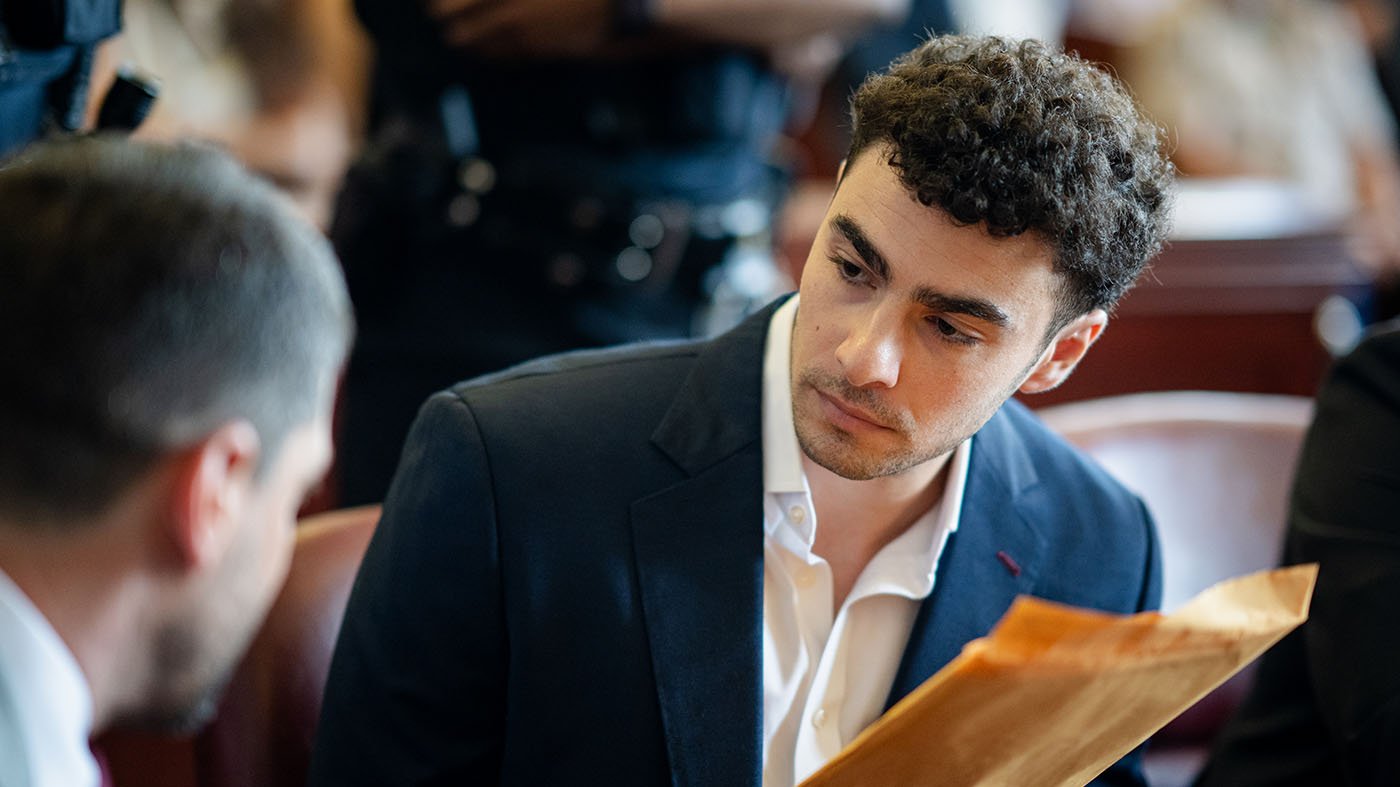
Luigi Mangione pleaded guilty on Friday to federal stalking charges in connection with the fatal shooting of UnitedHealthcare CEO Brian Thompson in midtown Manhattan two years ago. The plea, entered during a hastily scheduled pretrial conference before U.S. District Judge Margaret Garnett, comes just weeks before his state trial is set to begin.
Mangione, 28, is accused of shooting Thompson as the executive walked into the New York Hilton Midtown to attend an annual investors meeting. He was arrested at a McDonald's in Altoona, Pennsylvania, after a five-day manhunt that drew national attention. At the time of his arrest, authorities found a 9mm pistol and silencer matching the murder weapon, a fake ID, and a notebook containing grievances against the health insurance industry.
The federal case had been reduced to two stalking counts after Judge Garnett dismissed murder and firearm charges in January that could have carried the death penalty. Mangione also faces state charges of second-degree murder, weapons possession, and related offenses. State Judge Gregory Carro dismissed terrorism charges last fall, ruling the evidence was "legally insufficient."
Mangione had previously pleaded not guilty to both sets of charges, which carry a maximum sentence of life in prison. The guilty plea to the federal stalking charges now raises significant legal questions about the upcoming state prosecution, particularly regarding New York's double jeopardy protections.
Under New York law, a person cannot be prosecuted twice for the same offense, including separate prosecutions based on the "same act or criminal transaction," unless certain statutory exceptions apply. Karen Friedman Agnifilo, Mangione's attorney, has previously called the simultaneous federal and state cases "highly unusual" and "very confusing."
Judge Carro has been skeptical of the double jeopardy argument, calling it "premature" last September. However, state prosecutors warned in a July letter that a guilty plea "would operate to defeat a just outcome in the state prosecution" and urged the judge to consider that when deciding whether to accept the plea.
Assistant Manhattan District Attorney Joel Seidemann wrote that any guilty pleas "must account for the seriousness of defendant's offenses, the loss of an innocent life, the impact of those crimes on the victim's family, and the other state interests that are implicated, including the sanctity of life principle that underpins the state homicide charges."
The state trial is scheduled to begin jury selection on September 8 with an anonymous jury, as detailed in a related report on the jury selection process. Mangione's federal plea could complicate that timeline, as the defense may argue that the federal conviction bars the state prosecution under double jeopardy rules.
Legal experts say the plea is a strategic move that could force the state to either drop charges or face a prolonged legal battle. The case has drawn intense public scrutiny, with some viewing Mangione as a folk hero and others condemning the killing as a cold-blooded assassination.
The development also comes amid broader debates over the health insurance industry, a topic that has resonated with the public. Mangione's notebook reportedly contained criticisms of insurance practices, which some have linked to the earlier reports of his guilty plea.