Newly unsealed court documents have exposed a covert federal surveillance program that targeted progressive organizations and protesters in Minneapolis during the Trump administration's immigration enforcement push. The 26-page motion, filed Thursday in U.S. District Court in Minnesota, details two investigative efforts—codenamed "Operation Puppet Master" and "Project Whipple Shield"—that officials said were designed to dismantle a network allegedly aiding "violent opportunists and agitators."
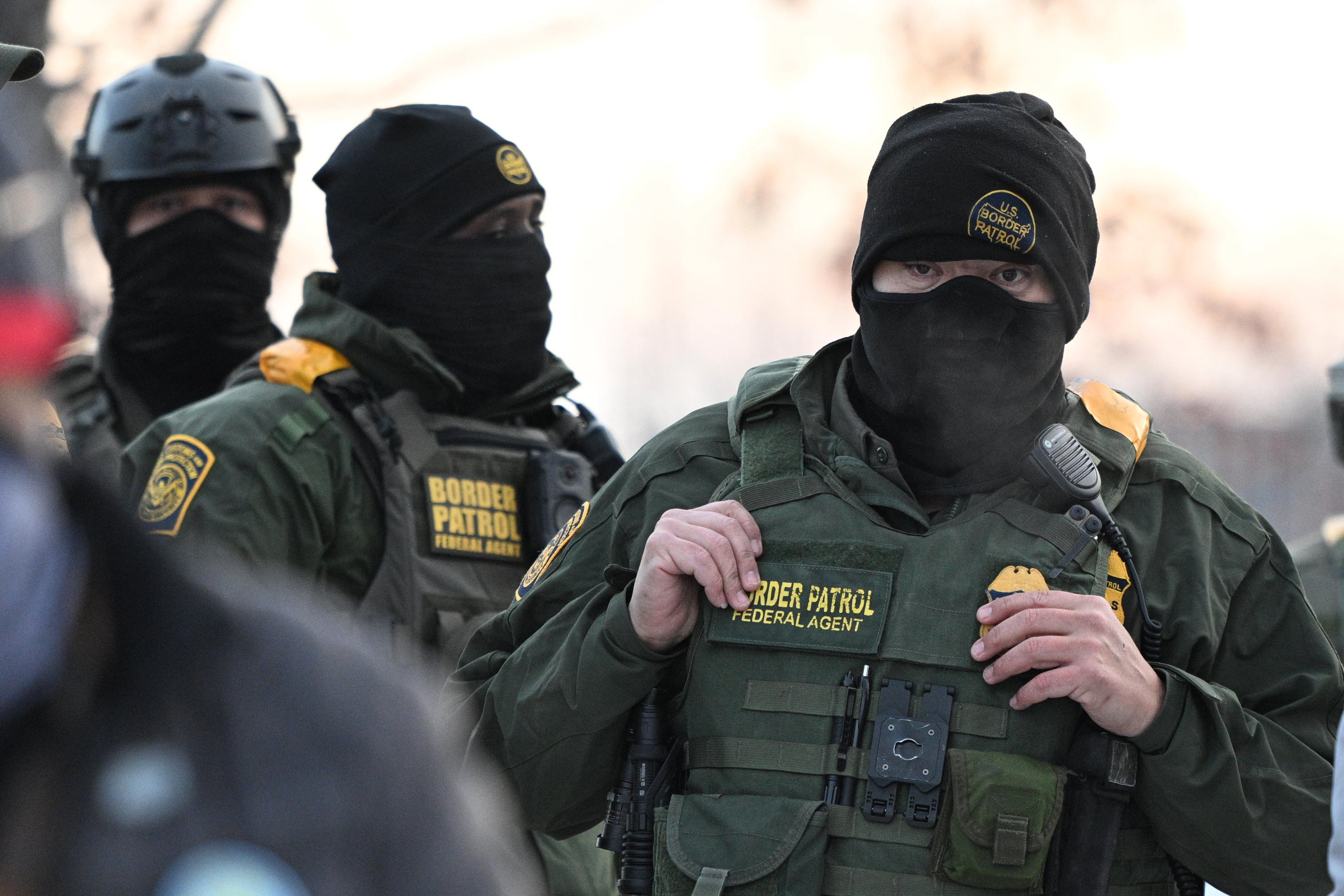
According to the filing, agents from the Department of Homeland Security (DHS) infiltrated meetings, monitored private communications, and collected intelligence on individuals tied to the civil unrest that followed the killing of a U.S. citizen by a federal officer in late January. The surveillance operations were disclosed as part of a criminal case against 15 individuals charged in June with conspiring to interfere with federal officers during the protests.
Defense attorney Kevin Riach, representing one of the defendants, Isaac Sant, condemned the actions, stating: "These agents surreptitiously recorded dozens of conversations with ordinary people who were simply exercising their First Amendment right to protest ICE's lawless rampage in our state." Riach is now pressing the court to compel prosecutors to release additional materials, including undisclosed surveillance logs and data from devices used by undercover agents.
The first operation, "Operation Puppet Master," was launched on Jan. 28—just four days after the fatal shooting of Alex Pretti by a federal officer—to probe the alleged organized network of conspirators. An HSI report quoted in the motion indicates the agency planned to embed undercover agents within groups flagged as potential threats to federal personnel.
Two weeks later, "Project Whipple Shield" was initiated with a broader mandate: to identify organized efforts to engage in violence and disrupt federal operations. The filing alleges that investigators obtained financial records for several national labor unions and other organizations "with zero criminal predicate to do so," raising alarms about overreach.
Court records describe undercover agents attending gatherings at churches, parks, libraries, and schools, where they secretly recorded audio and video. The motion argues that these tactics violated constitutional protections and were driven by political motivations. "These wild conspiracy allegations are born from the fantasies of political retribution that animate the Trump Administration," Riach wrote, adding that the administration has "crystallized these sentiments into policies that encourage and authorize political prosecutions like this one."
The case has drawn renewed attention to federal surveillance practices, particularly in the context of protest movements. Recent debates over surveillance tools have highlighted the tension between security and civil liberties. Meanwhile, other federal cases involving informants have sparked similar concerns about the scope of government monitoring.
Legal experts note that the outcome of the defense's request could set a precedent for how courts handle claims of political surveillance. The Hill has reached out to DHS for comment but has not yet received a response.