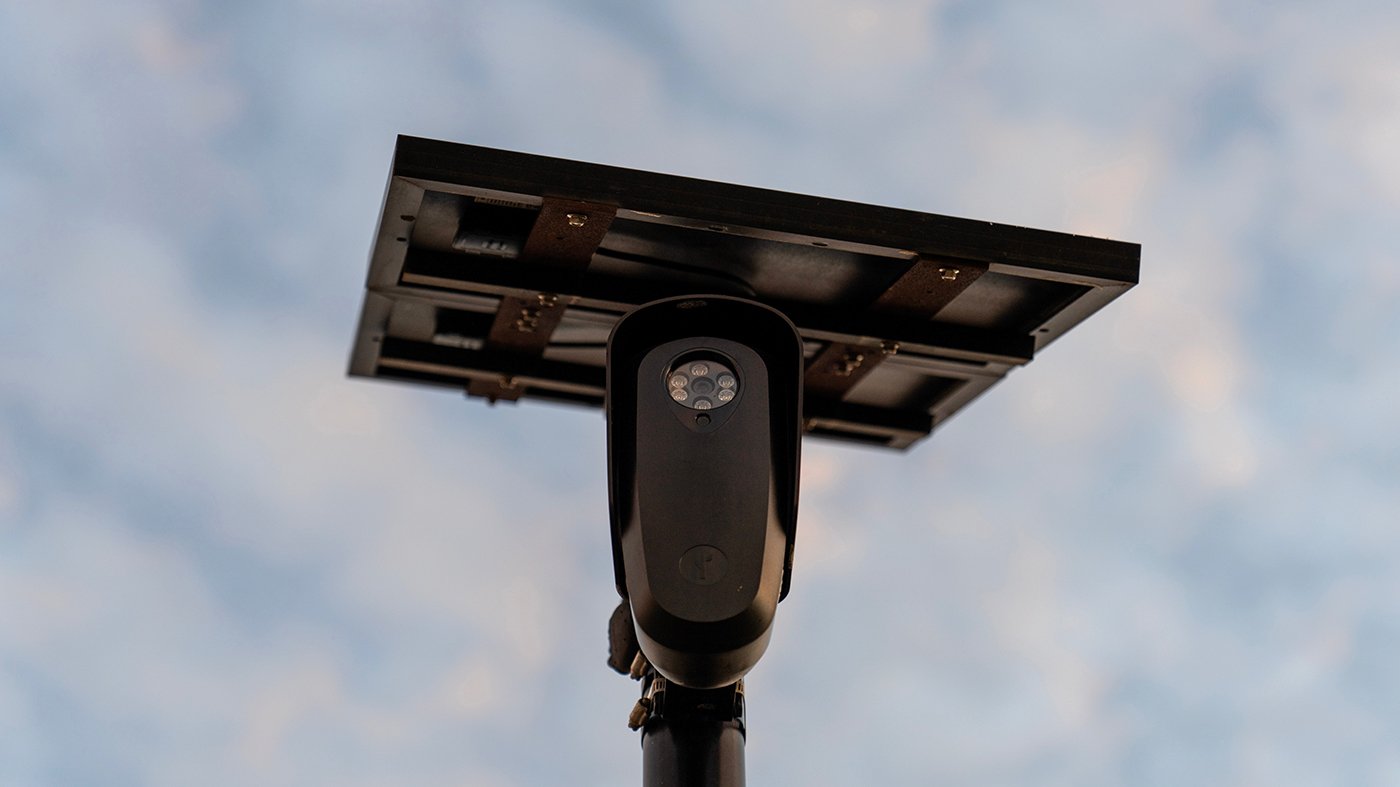
Flock Safety, a leading provider of automated license plate readers and surveillance cameras, announced Thursday a series of privacy-focused changes to its systems, responding to mounting criticism over potential misuse and mass surveillance. The company will cut its default data retention window from 30 days to just seven, significantly reducing the time that license plate data sits in its databases. Agencies can still extend the retention period if their local or state policies require it.
The move comes as privacy concerns over Flock cameras continue to grow across the country. The company also introduced a new feature that lets cities control which types of offenses can trigger data sharing with other law enforcement agencies, aiming to give communities more say over how their data is used while still allowing collaboration on serious crimes.

Flock's network of cameras and audio sensors captures license plate numbers, vehicle makes, models, colors, and even bumper stickers. It does not use facial recognition or collect biometric data, but the sheer scale of the network has raised alarms among civil liberties advocates. The company has faced a series of investigative reports in recent months highlighting potential abuses by law enforcement, including using the system for personal matters or unauthorized surveillance.
To curb such misuse, Flock will now require all law enforcement agencies to activate its “Audit Assistance” feature, which monitors for unusual activity and flags it for administrator review. The system also includes a “proactive lockout” that automatically suspends a user's access if their search behavior exceeds abnormal thresholds, pending a formal review. Additionally, agencies must now provide a case code before conducting searches—a feature that was previously optional.
“The goal is to intervene before misuse becomes recurring or widespread,” the company stated in a press release. These updates are part of broader efforts to address policy gaps in AI surveillance technologies that have drawn scrutiny from lawmakers and advocacy groups.
The American Civil Liberties Union (ACLU), which has been a vocal opponent of Flock, dismissed the changes as a “thinly veiled PR attempt” rather than a genuine effort to address core concerns. The ACLU acknowledged that the reduced retention period “seems positive at first blush,” but expressed lingering worries about the exceptions that allow agencies to override the default. The group also criticized the lack of oversight in how data sharing is approved.
Privacy advocates argue that even with these changes, Flock's network still poses significant risks to civil liberties. The company's cameras are increasingly common in suburban and rural areas, where they are often promoted as a crime-fighting tool. However, critics point to instances where police have used the data for non-criminal purposes, such as tracking individuals involved in political protests or personal disputes.
Flock maintains that its technology is a valuable investigative tool, helping solve serious crimes like kidnappings and carjackings. The new audit features and retention limits are designed to strike a balance between public safety and privacy, the company says. Still, the ACLU remains unconvinced, calling for more robust legislative safeguards and independent oversight of surveillance systems.
As the debate over surveillance technology intensifies, Flock's changes may set a precedent for other companies in the industry. Lawmakers in several states have introduced bills to regulate license plate readers, and the federal government has yet to establish clear rules. The company's willingness to adopt voluntary measures could be seen as an attempt to preempt stricter legislation, but critics argue that self-regulation is not enough.
For now, communities using Flock will have to decide whether these new guardrails address their concerns or whether more comprehensive action is needed. The ACLU and other advocacy groups are pushing for greater transparency and accountability, and they are likely to keep the pressure on Flock and similar companies in the months ahead.