The Supreme Court's liberal wing is expressing cautious optimism about a shift in how the court handles emergency appeals, even as the Trump administration deluges the justices with requests for immediate relief.
Justices Elena Kagan and Ketanji Brown Jackson have both recently acknowledged that their conservative colleagues are increasingly willing to provide written explanations for decisions made on the court's emergency docket—often called the "shadow docket" by critics. The change comes amid a historic surge in emergency applications from the Trump administration.
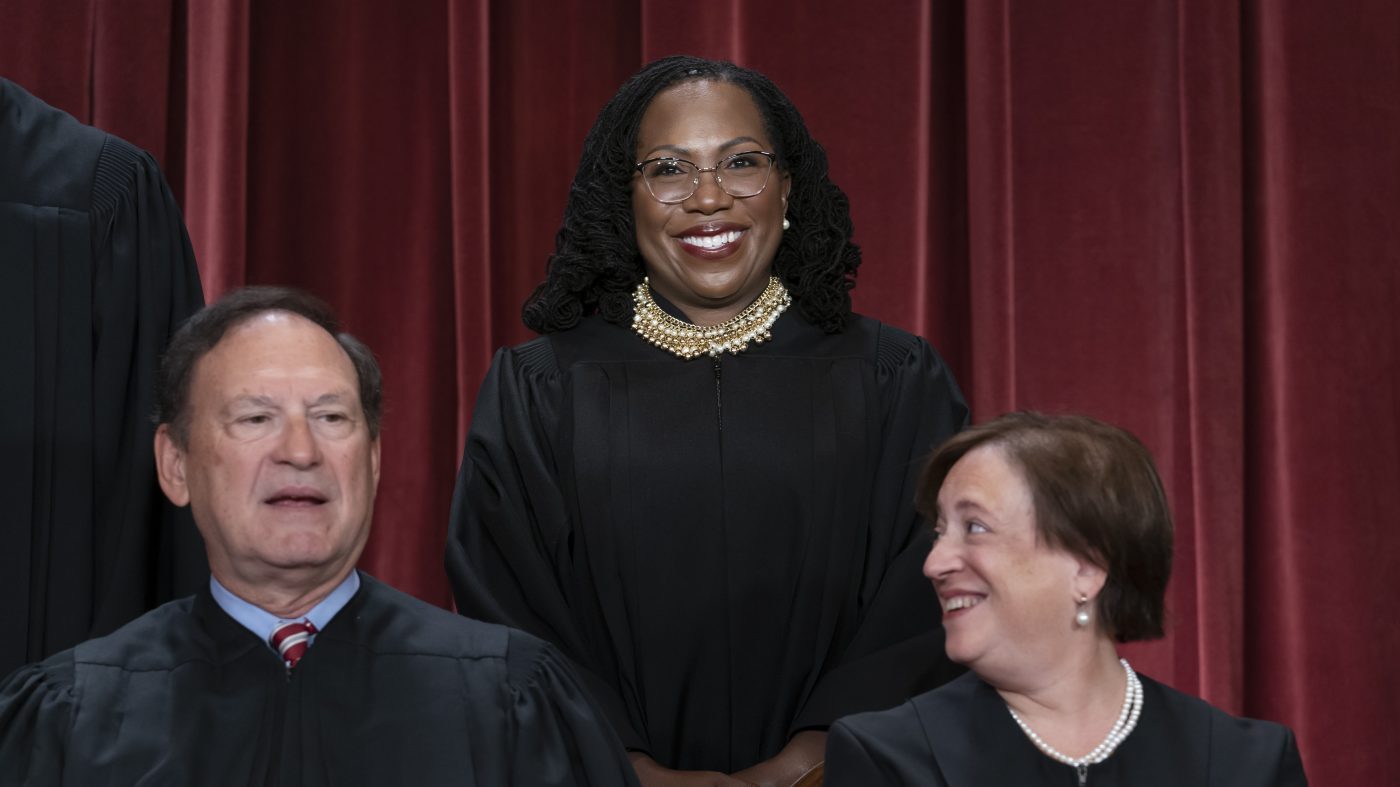
Speaking at the University of the District of Columbia's law school, Jackson praised the development. "I think it is a good and positive development," she said, noting that the public and lower courts need to understand the court's reasoning. "It was not possible before in a world in which the court was not providing any explanation."
The emergency docket allows parties to seek rapid relief from the justices in pending cases. While historically dominated by last-minute execution stays, it has increasingly become a venue for high-stakes policy battles. The Trump administration has filed 40 emergency applications this week alone, each seeking to advance the president's agenda. According to research by Georgetown Law professor Steve Vladeck, the Bush and Obama administrations combined filed only eight such applications over 16 years. Trump surpassed that total in less than four months.
Critics argue the flood of cases reflects a president acting without regard for legal limits, while supporters blame overreaching trial judges. The court's handling of these cases has drawn scrutiny, particularly when it sided with Trump without explanation. Last year, Justice Brett Kavanaugh cautioned against a "lock-in" effect from snap judgments, warning that early written opinions might not reflect final views.
Kagan, who previously criticized the lack of explanation, now says the court has improved. "The reason I think it's probably not appropriate, at least not now, to call it the 'shadow docket' is because we have done, I think, a better job in the recent past of where appropriate—and it's not always appropriate, but where appropriate—explaining ourselves at least to a moderate degree," she told Congress this summer. She reiterated that view at a judicial conference in Bellevue, Washington, on July 23.
The explanations have varied in length. In a recent 5-4 decision allowing White House ballroom construction to proceed, the majority clarified it was not ruling on the project's legality but on standing and irreparable harm. In another case, the court used just two sentences to reject Trump's mail ballot plan, prompting some to call the language cryptic.
Despite the improved transparency, the liberal justices continue to dissent frequently. On Friday, they dissented when the conservative majority allowed the Department of Homeland Security to overhaul a key immigration tool to police state voter rolls ahead of November's midterms. The majority provided a seven-page explanation, while Jackson's dissent was nearly twice as long—the latest example of a new norm where both sides outline their reasoning.
The shift comes as the court faces heightened scrutiny over its emergency rulings. Jackson has warned that such decisions could damage the court's credibility. As the emergency docket remains a flashpoint, the justices' willingness to explain their actions may help restore public confidence.