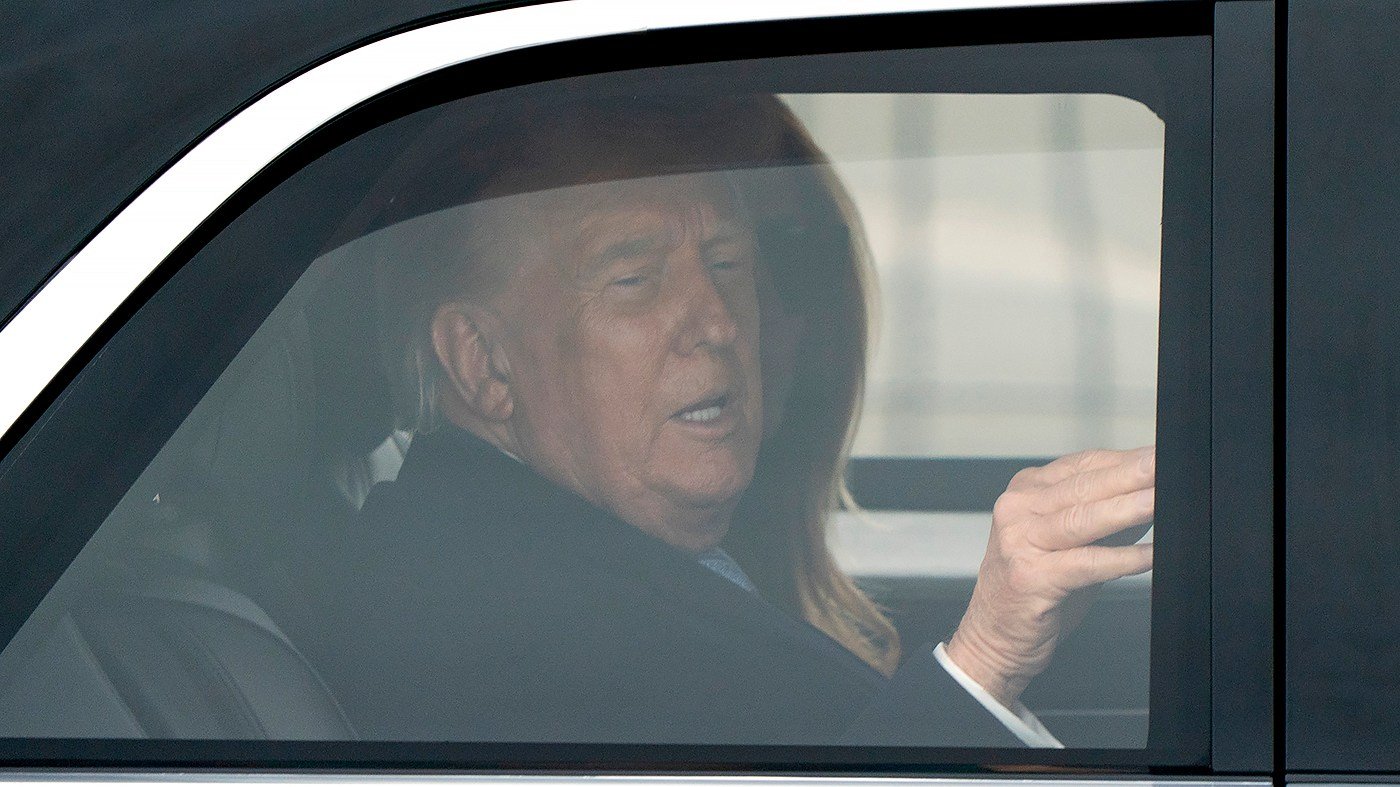
President Trump's week was supposed to be defined by the state dinner with Chinese President Xi Jinping and their tour of the National Archives. Instead, the spotlight shifted to social media, where Trump on Thursday afternoon praised the arrival of Xi and his wife, Peng Liyuan, as "magnificent" but complained about the lack of television coverage. He alleged that networks "didn't want credit to be given to 'TRUMP'" and therefore "refused to be there."
That claim was false. The television networks' absence was a direct result of Trump's own decision to bar three news outlets—CNN, MS NOW, and Politico—from the White House over their coverage. The outlets returned after U.S. District Judge Timothy Kelly, a Trump appointee, granted a temporary restraining order, noting that they were likely to succeed on their First Amendment claims. It was a rare legal defeat for Trump in his ongoing battle with the press, and it compounded a difficult week for Republicans.
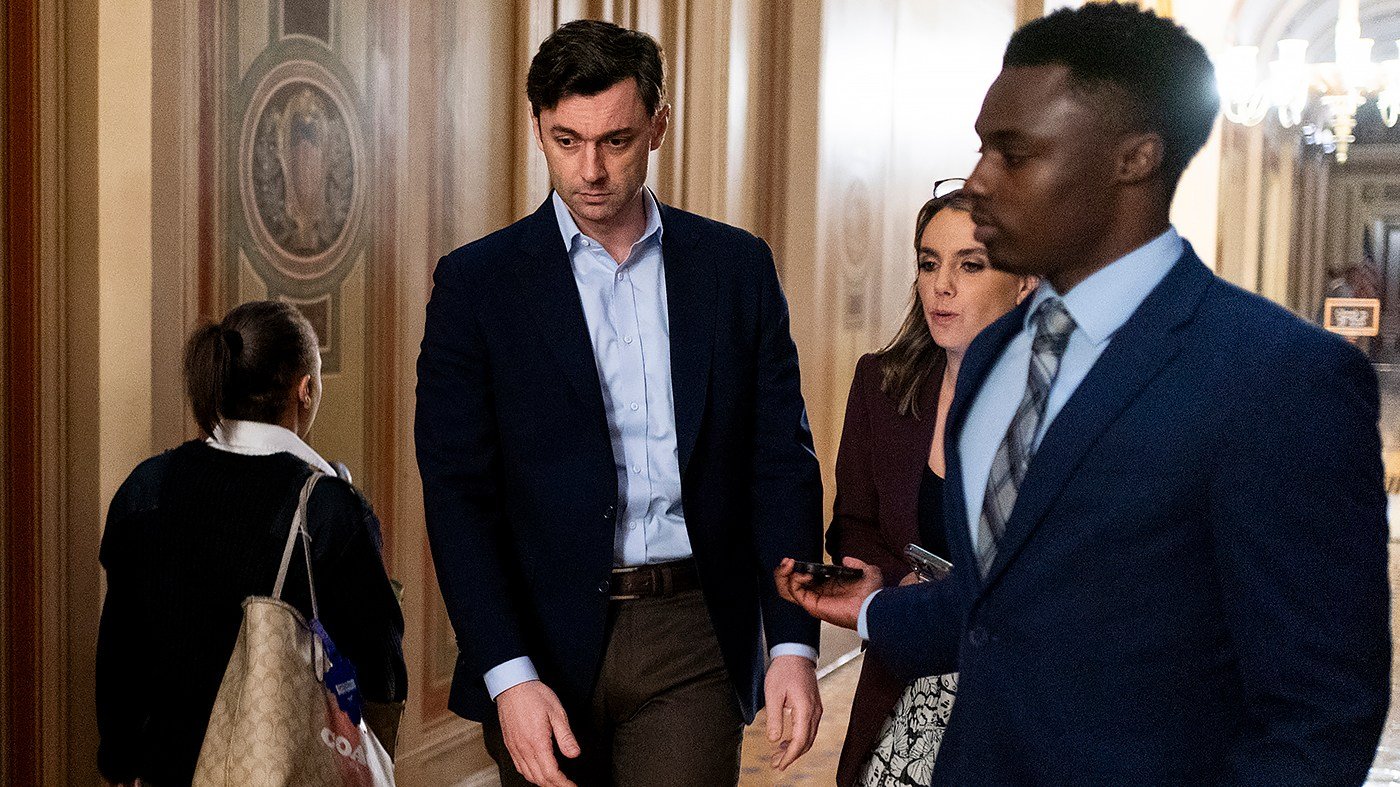
Some Republicans had hoped the Xi visit would provide a distraction from domestic troubles, but Trump's media feud ensured the opposite. With less than six weeks until Election Day, the GOP is already facing strong headwinds. Democrats hold an 8-point lead on the generic ballot, according to The Hill's polling partner, Decision Desk HQ, and Trump's job approval stands at just 39 percent, with 60 percent disapproving. The consensus among political analysts is that Democrats are likely to take the House, where Republicans currently have a slim majority. In the Senate, once-safe Republicans are feeling pressure even in conservative states like Texas, while Democrats who were considered vulnerable, such as Sen. Jon Ossoff of Georgia, now appear increasingly secure.
The grim outlook has led to rare GOP dissent. Senate candidates in Iowa and Michigan have voiced frustration over the prolonged war in Iran. Sen. John Kennedy (R-La.), not up for reelection this cycle, told reporters that his party needs to do more on cost-of-living issues. "We haven't done a damn thing and it's biting us in the ass right now," he said.
Trump's media ban, which overshadowed the Xi visit, seems politically ill-advised. As Boston University professor emeritus Tobe Berkovitz noted, attacking the media has worked for Trump for decades, but its appeal is limited to his base—and "even his base is shrinking." With voters more concerned about the economy and the war in Iran, the controversy reinforces the impression that Trump is focused on vendettas rather than their problems.
Still, there is a case for the Xi visit's value. Trump loyalists argue it fostered warmer personal relations between the leaders, and Thursday's state dinner brought major U.S. business figures—including Sam Altman, Tim Cook, Jensen Huang, and Mark Zuckerberg—together with Chinese leadership. Trump himself called the meeting "one of Friendship, Strength, and Success" and highlighted future meetings in China and at a G20 summit in Miami. But even an optimal visit might not have changed the domestic political picture.
Republicans hope to hold key Senate seats like Maine and perhaps pick up seats in Michigan, New Hampshire, and Minnesota. Yet Trump's campaign schedule next week takes him to deep-red Alabama and Oklahoma, a sign of the party's defensive posture. Democrats, meanwhile, are content to let Trump engage in media fights, believing it deepens the perception that he is out of touch. "He has traditionally been a person who believed that all press is good press," said Democratic strategist Basil Smikle Jr. "But I think there are diminishing returns to that when we have reached a point of lack of attention to what voters really care about and outsize attention to..."
As the midterms approach, Trump's clash with the media may only add to his party's challenges. For more on the GOP's uphill battle, see Trump's approval slipping and GOP bracing for midterm fallout.