The Justice Department has unsealed a superseding indictment against the Southern Poverty Law Center (SPLC), adding criminal charges against a former senior staffer who allegedly directed payments to informants monitoring extremist groups. Heidi Beirich, who once led the SPLC's Intelligence Project, now faces conspiracy to commit wire fraud, conspiracy to submit false statements to a federally insured bank, and money laundering—marking the first individual charges in the case.
The original indictment, filed last year, accused the nonprofit itself of deceiving donors by routing funds to informants through shell accounts tied to fictitious businesses. The new filing alleges that Beirich was intimately involved in that scheme, including a romantic relationship with one informant with whom she shared a home. A portion of the payments to that informant was deposited into a joint bank account, according to the indictment.
Prosecutors also detail an incident in which the informant allegedly broke into the headquarters of an unnamed extremist organization, stole 25 boxes of documents, and later returned them after Beirich copied the materials. The superseding indictment adds an additional count of concealment of money laundering against the SPLC, which continues to deny the core allegations.
Political Backlash and Defense
Beirich's attorney, Michael Proctor, dismissed the charges as a politically motivated prosecution. “A free and fair society does not use the justice system to silence its political opponents,” Proctor said in a statement. “Heidi Beirich has dedicated her life to fighting hate groups and extremist movements like the KKK, neo-Nazis, and other white supremacists. She has combatted these hateful, ugly, and un-American extremists and their repeated uses of violence and intimidation in order to promote a fairer, safer, and more just America.” He noted that Beirich left the SPLC more than six years ago and pointed to the threats she has faced for her work.
The SPLC, which has long been a target of conservative critics, reiterated its stance in a statement. “Taking on violent hate and extremist groups is among the most dangerous work there is, and we believe it is also among the most important work we do. The actions taken by the DOJ will not shake our resolve,” the group said. “We remain steadfast in our fight for justice and in our commitment to ensuring the promise of the Civil Rights movement becomes a reality for all. We are confident in our position and look forward to presenting the evidence and making our case in court.”
Broader Context
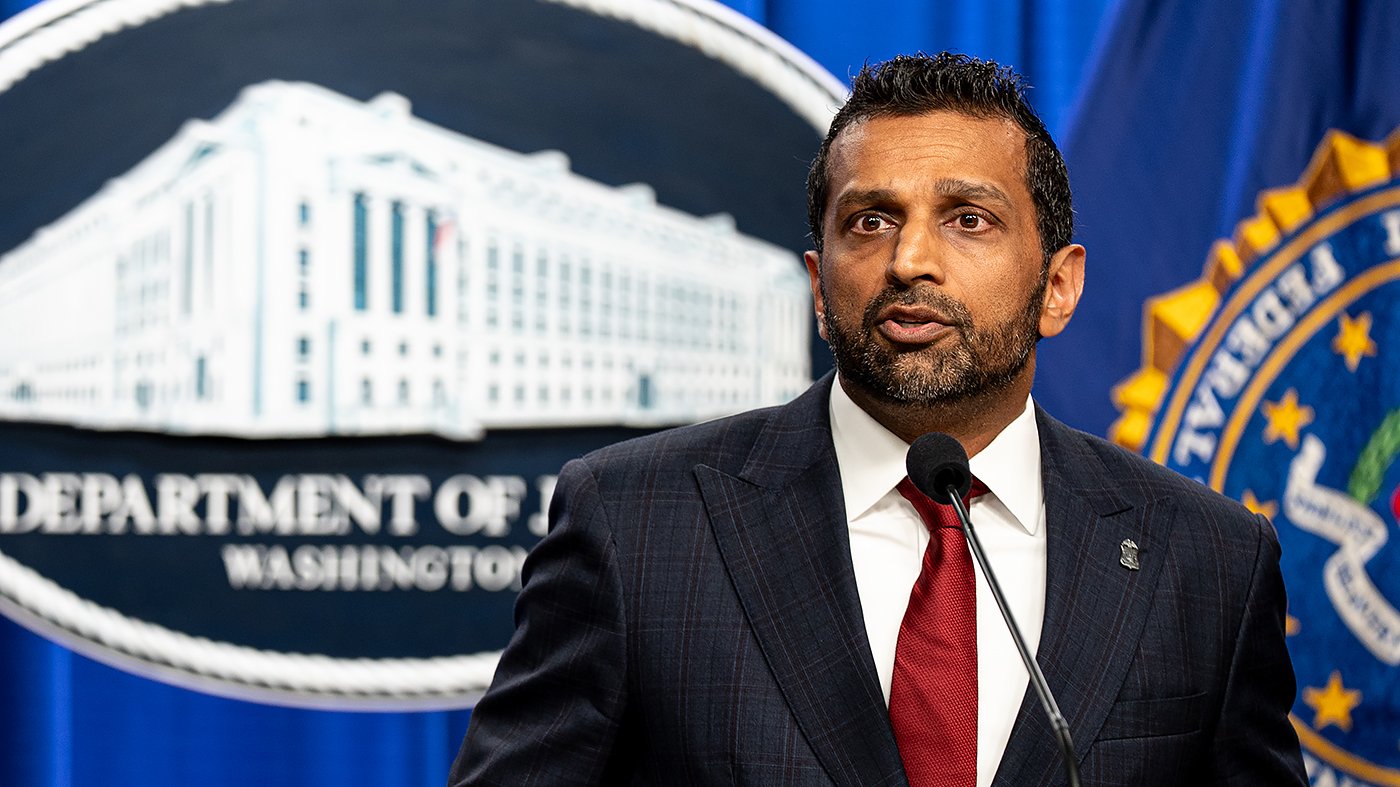
The case unfolds amid heightened tensions between the second Trump administration and the SPLC. The FBI severed ties with the group following the assassination of conservative activist Charlie Kirk, which the SPLC had listed in its 2024 “Year of Hate and Extremism” report. FBI Director Kash Patel has publicly accused Beirich of being at the “center” of the alleged criminal activity, writing on social media that the SPLC “knowingly misled donors, who believed their money was being used to dismantle violent extremist organizations – when in fact, part of those donations were instead being used to pay senior leadership within those extremist groups.”
Legal experts suggest the superseding indictment could signal a more aggressive federal posture toward nonprofit advocacy groups, though the SPLC's legal team has vowed to fight the charges. The case also draws parallels to other politically charged prosecutions, such as the Senate Democrats' opposition to a Trump judicial nominee and a defendant's claim of political targeting in a separate matter.
Meanwhile, the SPLC's work monitoring hate groups remains under scrutiny, with some conservatives calling for defunding the organization. The outcome of this case could have implications for how the government investigates and charges nonprofits that use undercover operatives, a practice that has raised civil liberties concerns in the past. Beirich's next court appearance has not yet been scheduled.