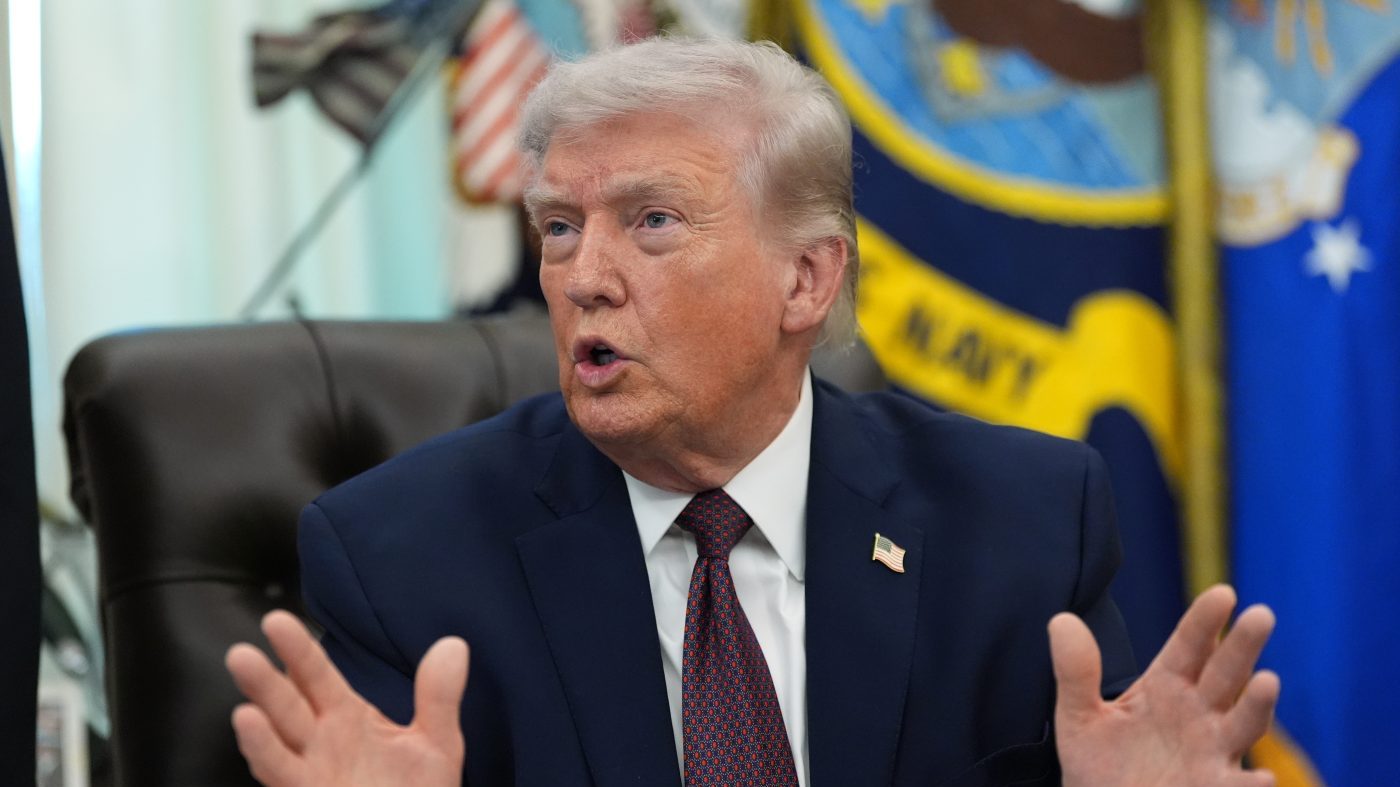
President Trump has explicitly refused to take the option of deploying U.S. ground troops to Iran off the table, dramatically raising the stakes in a tense standoff with Tehran. In a Sunday interview with The Hill, when asked if he would rule out such an escalation, the President responded with a definitive "No." He framed the decision as one for the Iranian leadership, stating, "Normal people would make a deal. Smart people would make a deal. If they were smart they would make a deal."
Tuesday Deadline and Threats of "Hell"
The comments come alongside an aggressive public ultimatum from the President, who has set a Tuesday deadline for Iran to "open" the Strait of Hormuz. On social media, he threatened to target the nation's power plants and bridges, writing, "Tuesday will be Power Plant Day, and Bridge Day, all wrapped up in one, in Iran. There will be nothing like it!!! Open the F---n' Strait, you crazy bastards, or you'll be living in Hell – JUST WATCH!" He later confirmed to The Hill that no critical infrastructure targets would be considered exempt if hostilities continue.
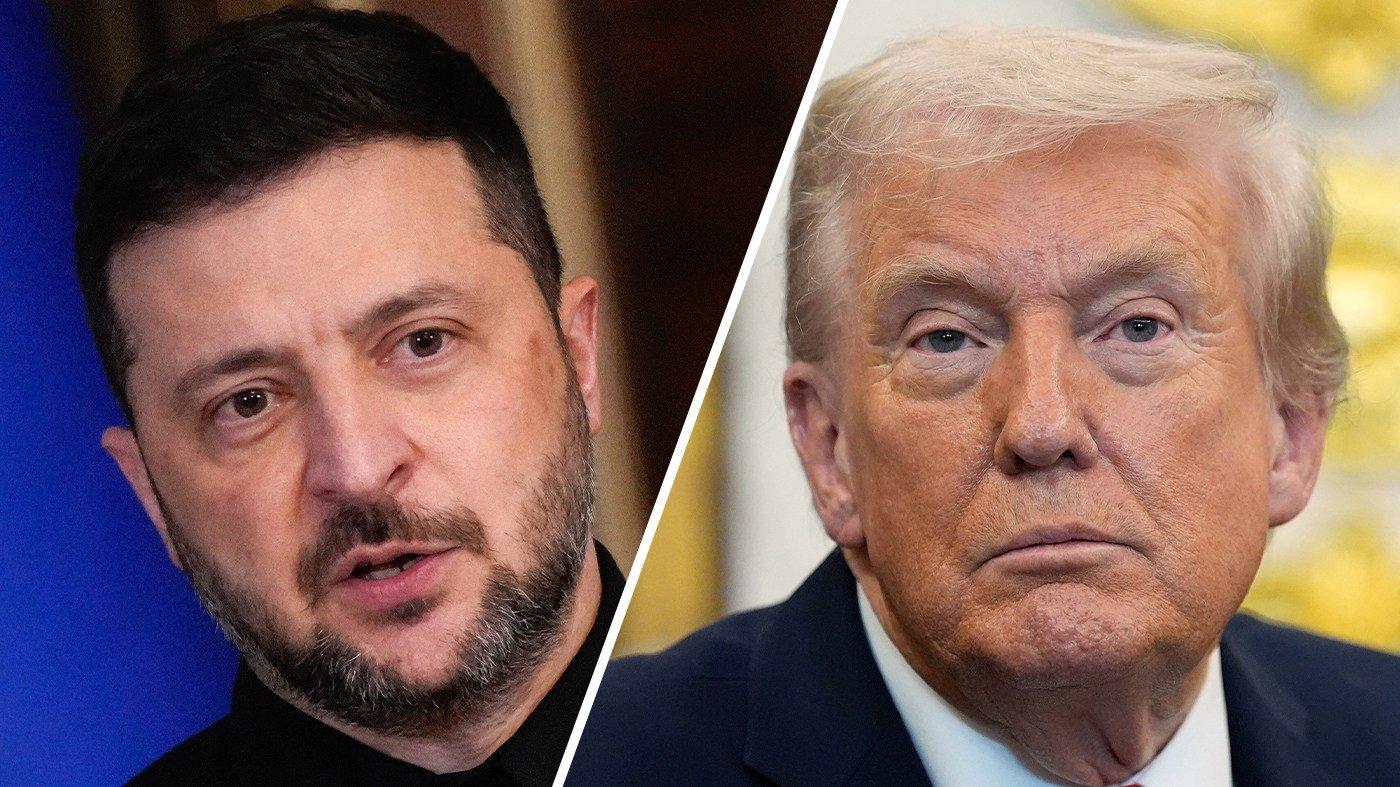
Trump's messaging has been contradictory, however. In separate interviews Sunday, he told Fox News he expected a deal by Monday, while telling Axios a Tuesday agreement was possible but followed by the threat: "There is a good chance, but if they don't make a deal, I am blowing up everything over there." This follows his previous social media ultimatum that set the immediate crisis in motion.
Military and Political Risks
A ground invasion of Iran would represent a profound and risky escalation for a President who has repeatedly insisted the ongoing U.S.-Israeli military operation will not become a protracted war. While many congressional Republicans have supported the air campaign, significant concern exists within the party about committing American troops to a ground conflict. The administration is simultaneously managing diplomatic rejections from Tehran and the economic fallout of rising global oil prices, which Trump officials have dismissed as a short-term issue.
Public sentiment presents a major political challenge. A recent Reuters/Ipsos poll found 66% of Americans support ending the conflict, indicating the war is deeply unpopular domestically. This political pressure exists alongside broader electoral dynamics that both parties are navigating.
Escalating Context and Legal Peril
The threats follow a week of intense military action. On Friday, a U.S. F-15E Strike Eagle was shot down over Iran; one crew member was rescued that day, with the second found on Sunday. Iran has also taken aggressive steps, including strikes near strategic waterways.
Internationally, the administration faces mounting legal criticism. Over 100 international law experts in the U.S. signed an open letter last week warning that Trump's threats of widespread destruction against Iranian civilian infrastructure could constitute war crimes. The U.S. is already under scrutiny for a missile strike on an Iranian elementary school that killed at least 175 people, mostly children—an incident for which a preliminary military investigation has found U.S. responsibility.
The President's combination of a cryptic social media post stating "Tuesday, 8:00 P.M. Eastern Time" and his refusal to exclude any military option creates a climate of acute uncertainty. As the deadline approaches, the world watches to see if Tehran will capitulate to U.S. demands or face an unprecedented escalation in a conflict that has already drawn warnings of catastrophic humanitarian and legal consequences.