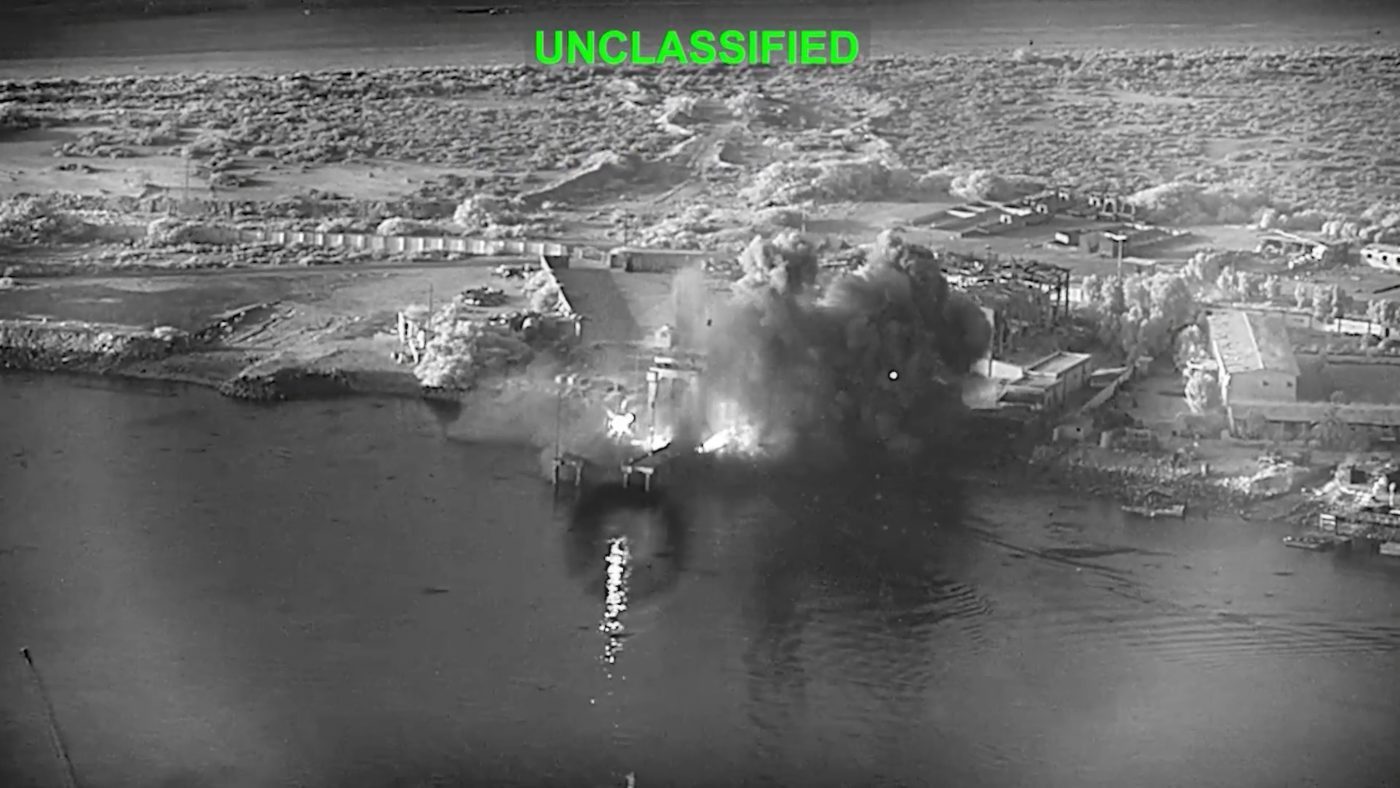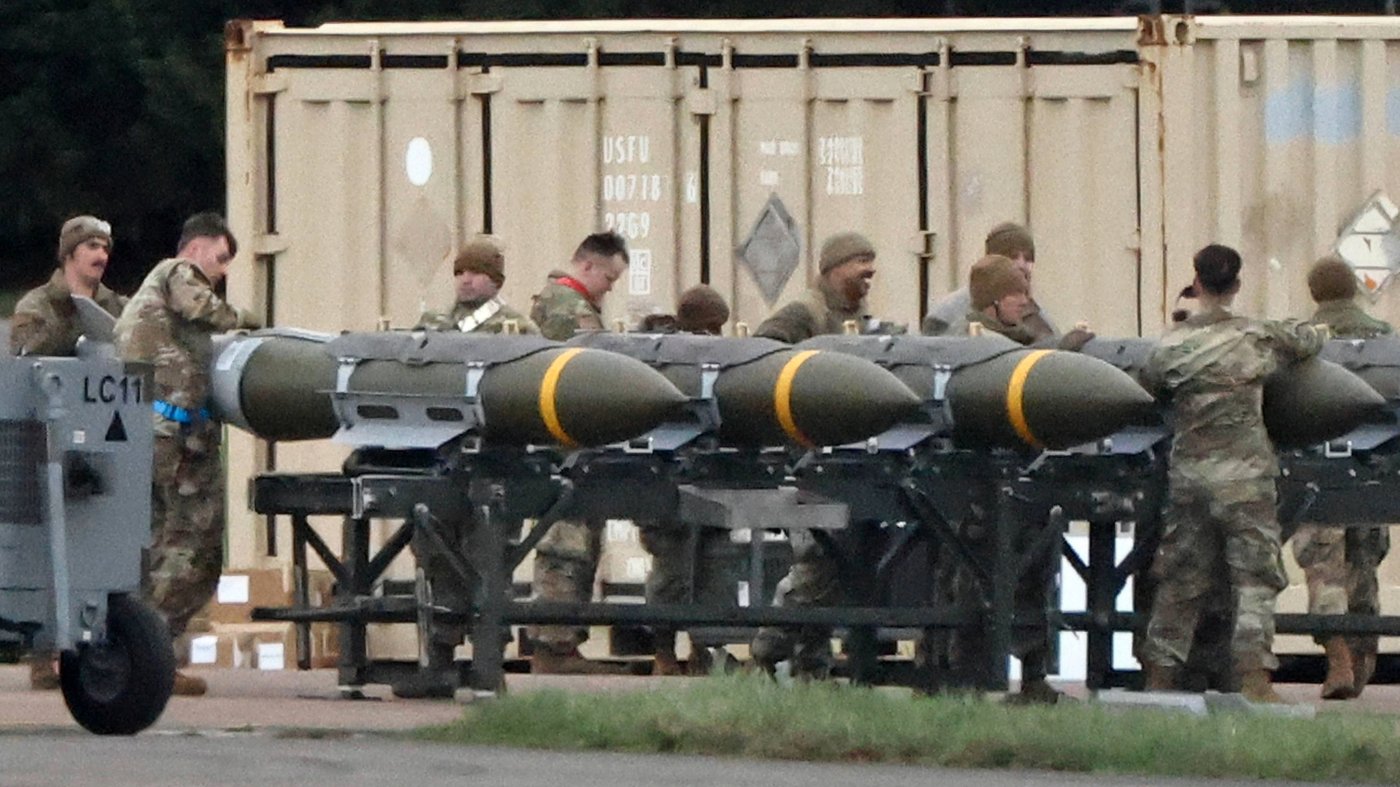
President Trump has activated the Defense Production Act (DPA) to ramp up output of critical munitions and shore up supply chains strained by the U.S. military campaign against Iran. The move, announced in a memo released Tuesday, comes as Pentagon officials warn that the industrial base is struggling to keep pace with wartime consumption.
In the one-page directive addressed to Defense Secretary Pete Hegseth—formally slated for publication Wednesday—Trump cited “conditions exist which may pose a direct threat to the national defense or its preparedness programs.” He specifically pointed to “systemic constraints in the munitions industrial base, including limited production capacity, fragile supply chains, long-lead dependencies, and related production bottlenecks” that he said “may impair the ability of the United States to produce, sustain and expand the availability of munitions, missiles, and equipment required for the national defense.”
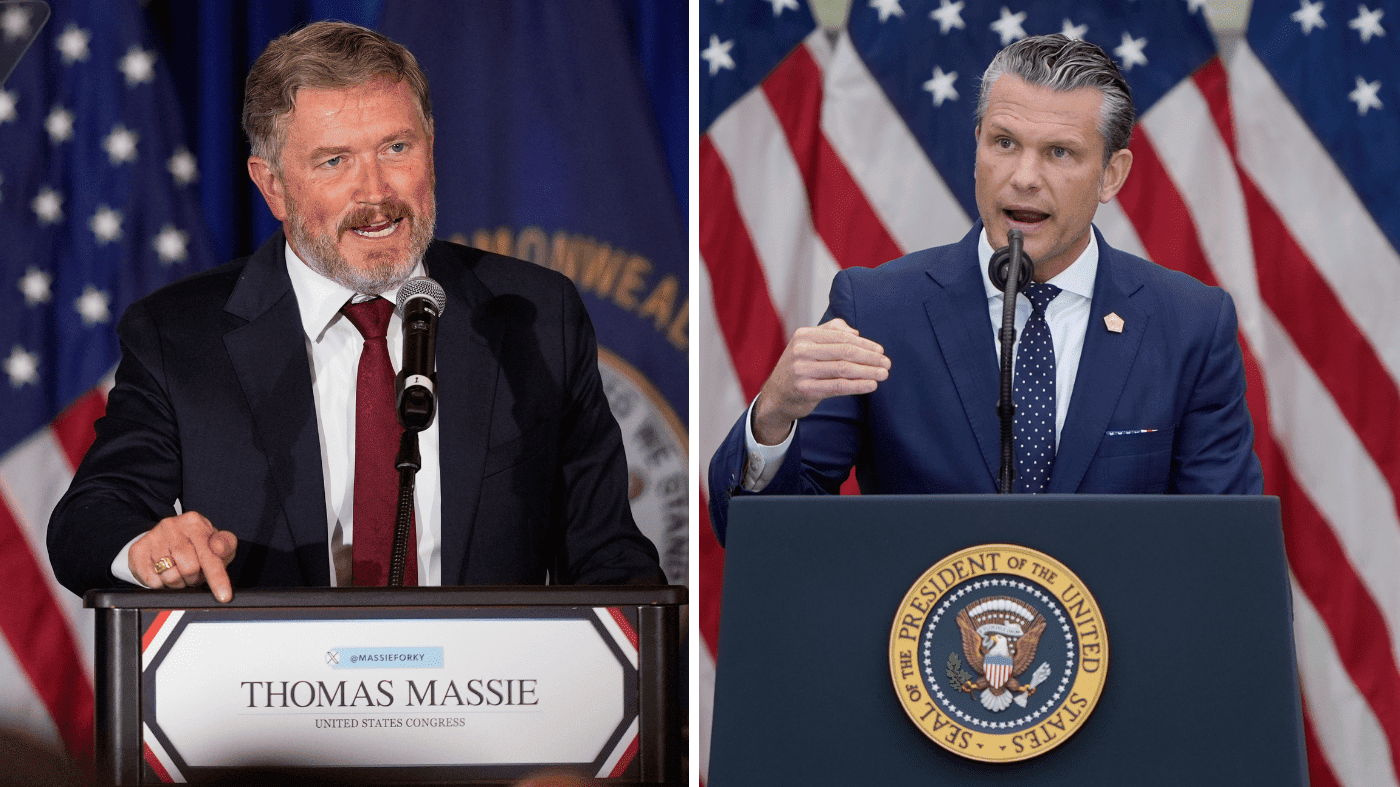
The DPA, enacted in 1950 during the Korean War, gives the president broad authority to direct private industry to prioritize national security contracts. Trump’s memo delegates to Hegseth the power to permit companies and the government to strike “voluntary agreements and plans of action to help provide for the national defense.”
The decision follows a seven-week bombing campaign against Iran that has drained U.S. stockpiles at an alarming rate. An April analysis by the Center for Strategic and International Studies found that the military has expended nearly half of its Patriot air defense interceptor missiles and more than 50 percent of its Terminal High Altitude Area Defense (THAAD) interceptors. The conflict has thrust long-simmering concerns about munitions sustainability to the forefront of Pentagon planning.
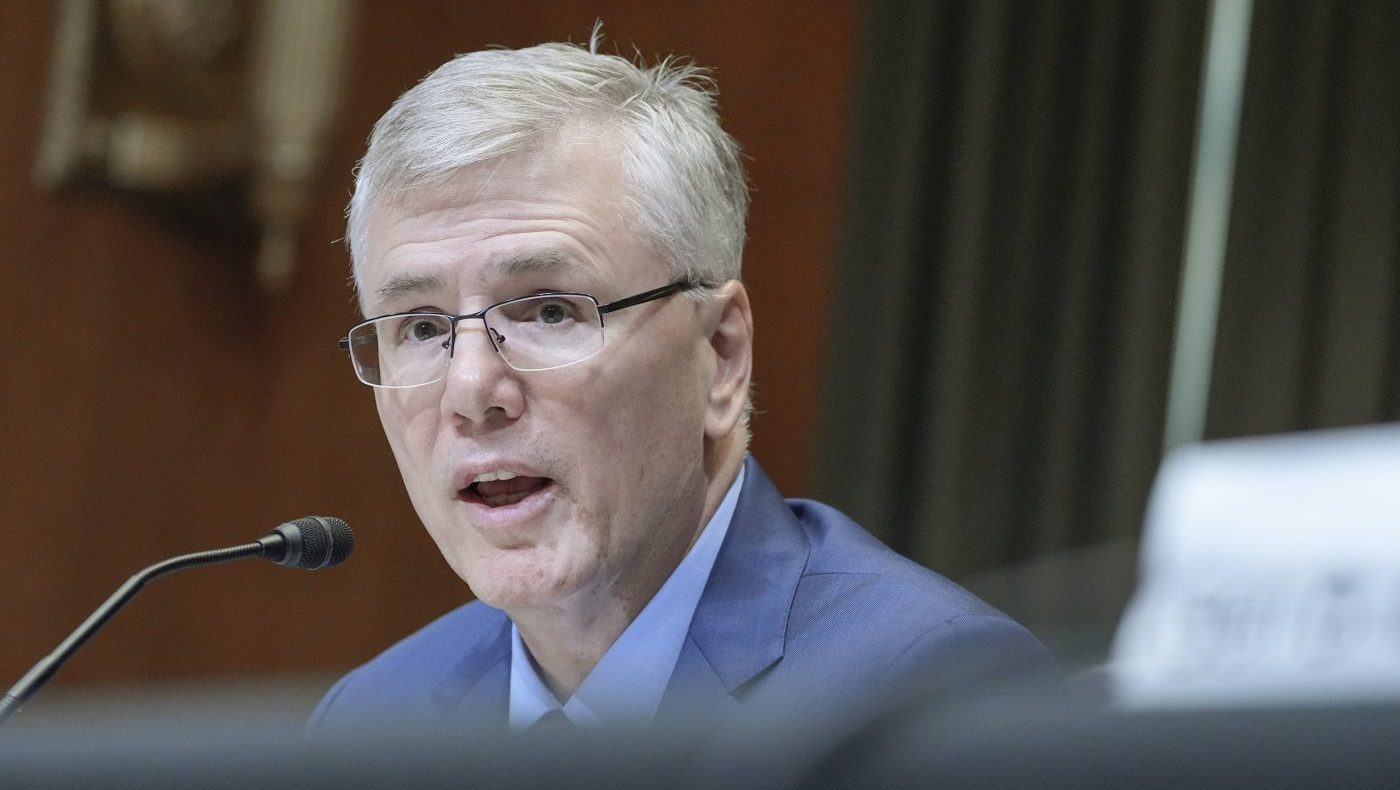
Assistant Secretary of Defense for Industrial Base Policy Michael Cadenazzi, speaking Tuesday at an event hosted by the Center for a New American Security, indicated that the administration intends to treat this as a long-term fix. “We want these to be set up as an enduring capability. So, expect to see more of these,” Cadenazzi said.
The DPA invocation is the latest in a series of executive actions Trump has taken to manage the fallout from the Iran war. It also comes as the Senate is grappling with how to reassert congressional war powers—a measure that failed to advance Tuesday despite four Republican defections. Meanwhile, Trump has warned that the ceasefire with Tehran is preliminary, threatening to resume airstrikes if Iran “misbehaves,” as reported in a separate article on The World Signal.
On the diplomatic front, the G7 has endorsed the Trump-brokered Iran ceasefire and is eyeing the reopening of the Strait of Hormuz, as detailed in this report. But the president faces backlash from allies who worry the deal gives up too much leverage, a dynamic explored in this analysis.
The DPA order is likely to fuel further debate on Capitol Hill about the scope of executive power in wartime. The Senate Armed Services Committee has already moved to curb Trump’s authority to withdraw troops from Europe, as reported in this piece, signaling that lawmakers are keen to reassert their role in national security decisions.