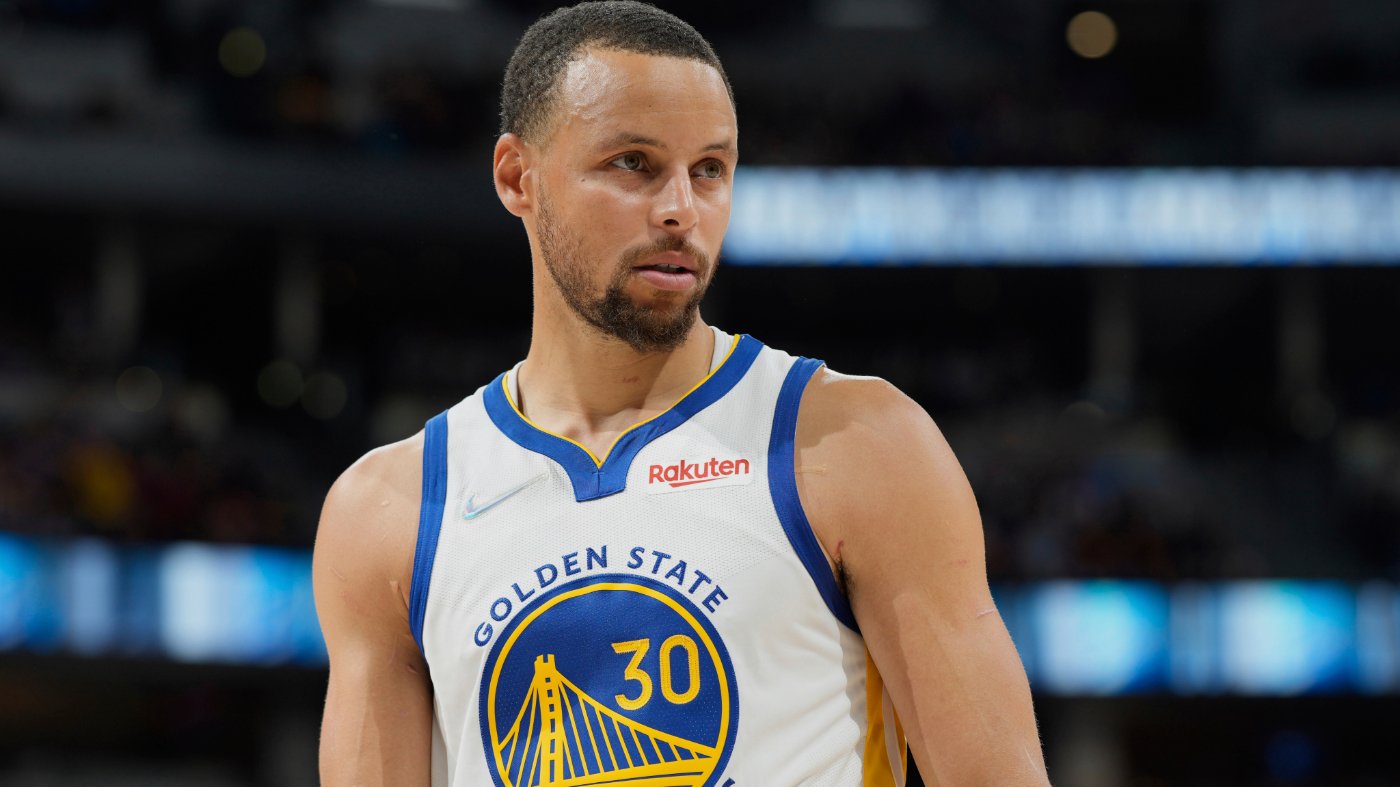
As the NBA Finals showcase athletic excellence, a new endorsement deal has cast a shadow over the league's moral standing. Stephen Curry, one of America's most respected athletes, has reportedly signed a 10-year, $400 million partnership with the Chinese sportswear giant Li-Ning—a company already under federal scrutiny for its ties to forced labor in Xinjiang.
The U.S. Department of Labor has formally accused the Chinese Communist Party of subjecting Uyghurs and other Muslim minorities to genocide, state-imposed forced labor, and crimes against humanity since 2016. These are not vague allegations; they are specific findings corroborated by international investigators and enshrined in U.S. policy through the Uyghur Forced Labor Prevention Act, which presumes goods from Xinjiang are tainted by forced labor unless proven otherwise.
Curry's decision to align his brand with Li-Ning is particularly jarring given his reputation for thoughtfulness and integrity. As a global icon, his choices carry weight beyond the basketball court. By lending his name to a company implicated in such abuses, he risks normalizing a system of coercion that the U.S. government has explicitly condemned.
This is not an isolated incident. Li-Ning merchandise was banned from U.S. markets in 2022, and Rep. Chris Smith (R-N.J.) has announced plans to ask the Department of Homeland Security to investigate Li-Ning imports following Curry's deal. The warning signs were clear, and Curry's choice to proceed raises questions about whether fame and fortune have eclipsed basic ethical considerations.
The sports world has seen better examples. When the Women's Tennis Association pulled events from China over human rights concerns, it demonstrated institutional courage. Similarly, press freedom crackdowns in China have drawn bipartisan criticism, yet many athletes and leagues remain silent when Beijing's abuses are at issue. This selective conscience—loud on justice at home, muted on China—is a troubling pattern.
Curry's deal also comes amid broader tensions over Chinese economic influence. Treasury Secretary Bessent has threatened sanctions over Chinese AI theft, and former officials have been prosecuted for leaking to Chinese spies. These cases highlight the national security risks of deepening commercial ties with Beijing, yet Curry's partnership suggests that personal profit can outweigh geopolitical concerns.
Sports have the power to uplift and inspire, but they also carry responsibility. When a star of Curry's magnitude endorses a company linked to forced labor, he sends a message that profits matter more than human rights. That message is not lost on the victims of these abuses, nor on the fans who look up to him.
The NBA and its players have an opportunity to lead by example. By distancing themselves from companies complicit in human rights violations, they can show that athletic greatness and moral clarity are not mutually exclusive. Curry, in particular, has a platform to make a difference—if he chooses to use it.
As the Finals continue, the spotlight on Curry's game will inevitably include questions about his endorsement choices. The answer will reveal whether he is willing to bear the cost of conscience or simply cash in on a tainted partnership.