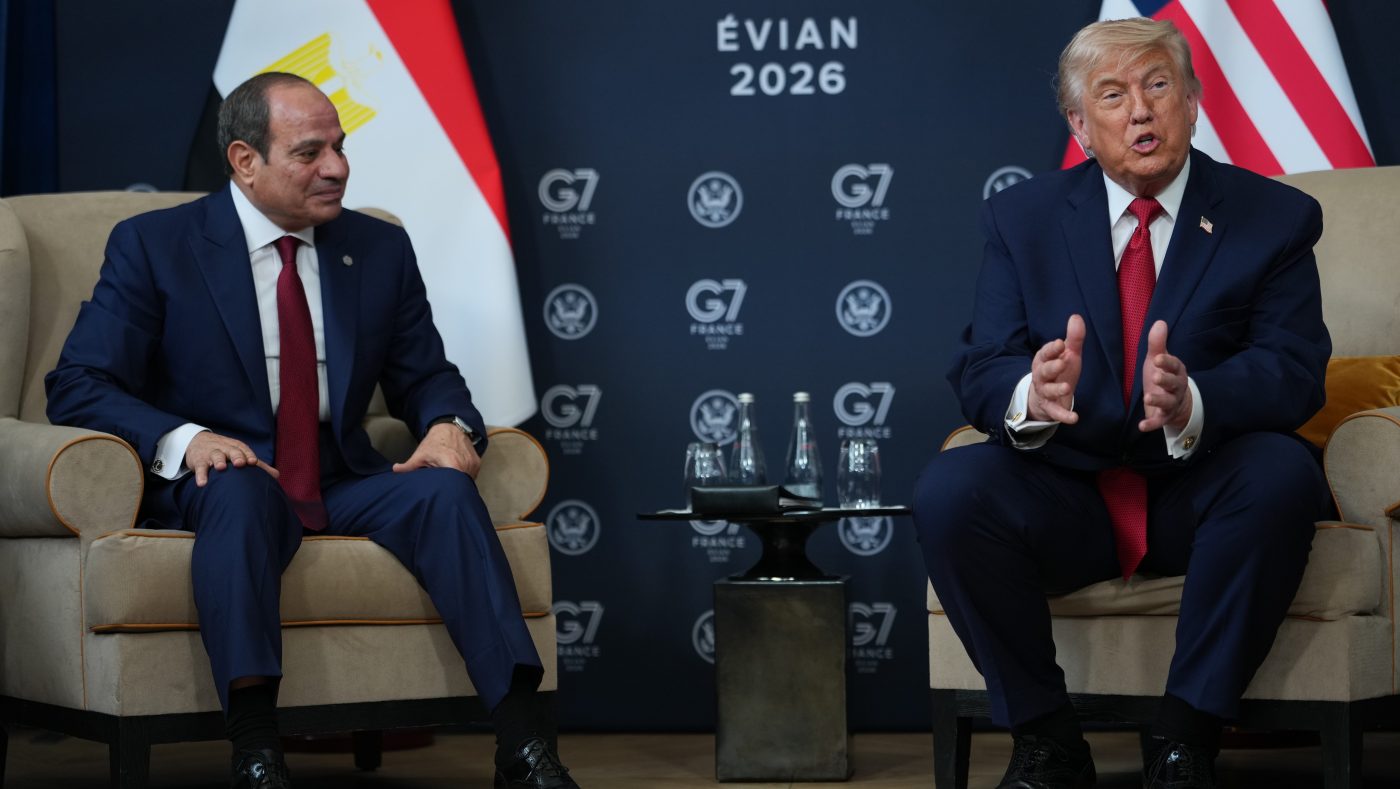
President Donald Trump cast doubt on the durability of the preliminary nuclear agreement with Iran on Wednesday, warning it remains provisional and that the United States could revert to military action if the terms prove unsatisfactory. Speaking alongside Egyptian President Abdel Fattah El-Sisi at the G7 Summit in Évian-les-Bains, France, Trump stated bluntly: “No, it’s not final. It’s a memorandum of understanding, and if I don’t like it, we’ll go back to shooting at them, dropping bombs on their head.”
Trump’s remarks inject fresh uncertainty into the fragile diplomatic process, which had raised hopes of a de-escalation in the long-running confrontation between Washington and Tehran. The president’s willingness to threaten a return to active hostilities signals that the administration is keeping all options open as negotiations continue. This stance aligns with his broader approach to foreign policy, which has often prioritized unilateral action and skepticism of multilateral deals.
The president is scheduled to hold a press conference later Wednesday before traveling to Versailles for a dinner hosted by French President Emmanuel Macron. The gala at the historic palace is part of Macron’s effort to strengthen transatlantic ties and coincides with U.S. commemorations of the semiquincentennial. Trump’s attendance underscores the delicate balancing act between allied diplomacy and his own confrontational style.
Back in Washington, the Federal Reserve is expected to announce it will hold interest rates steady at its afternoon meeting. This decision marks the first monetary policy statement under new Chair Kevin Warsh, who succeeded Jerome Powell. The central bank’s cautious stance reflects ongoing concerns about inflation while the economy continues to navigate post-pandemic recovery.
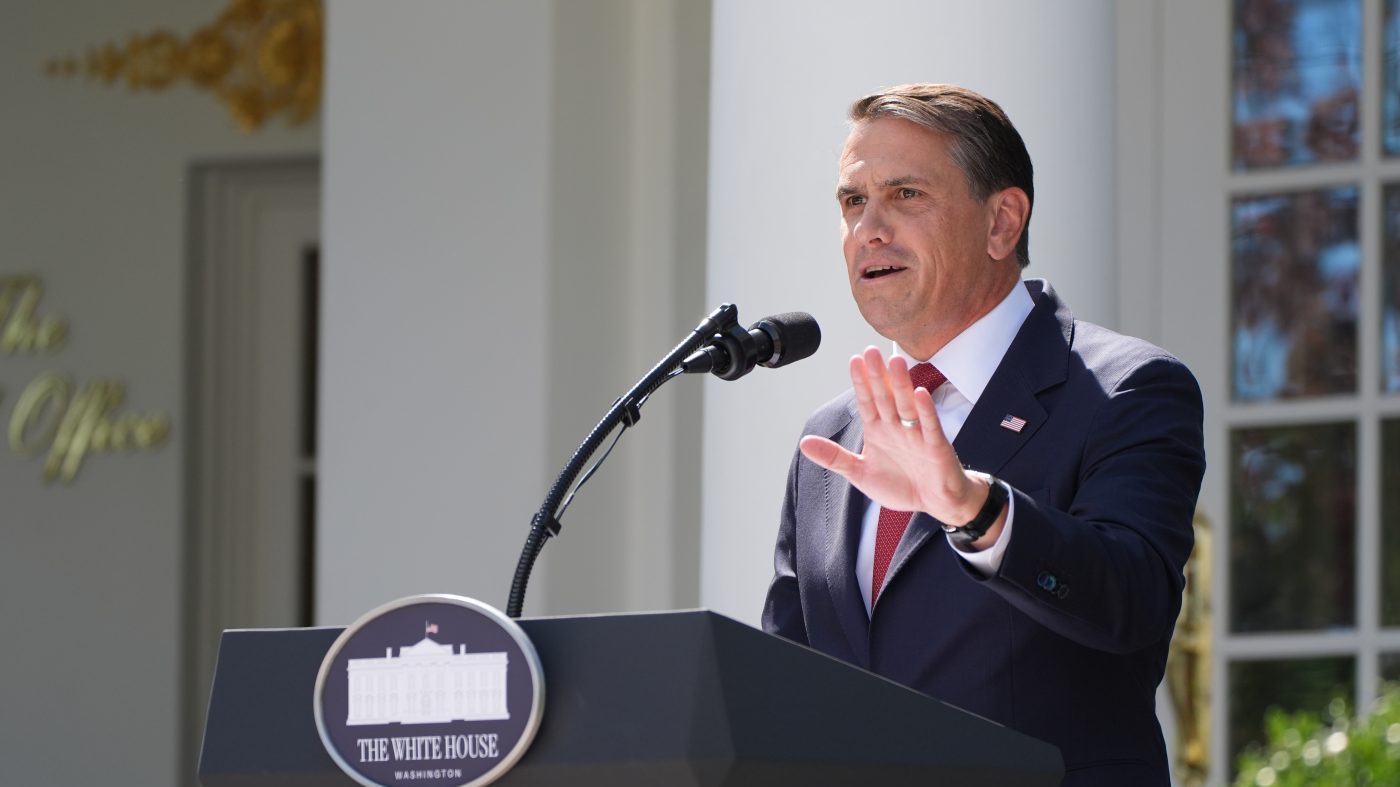
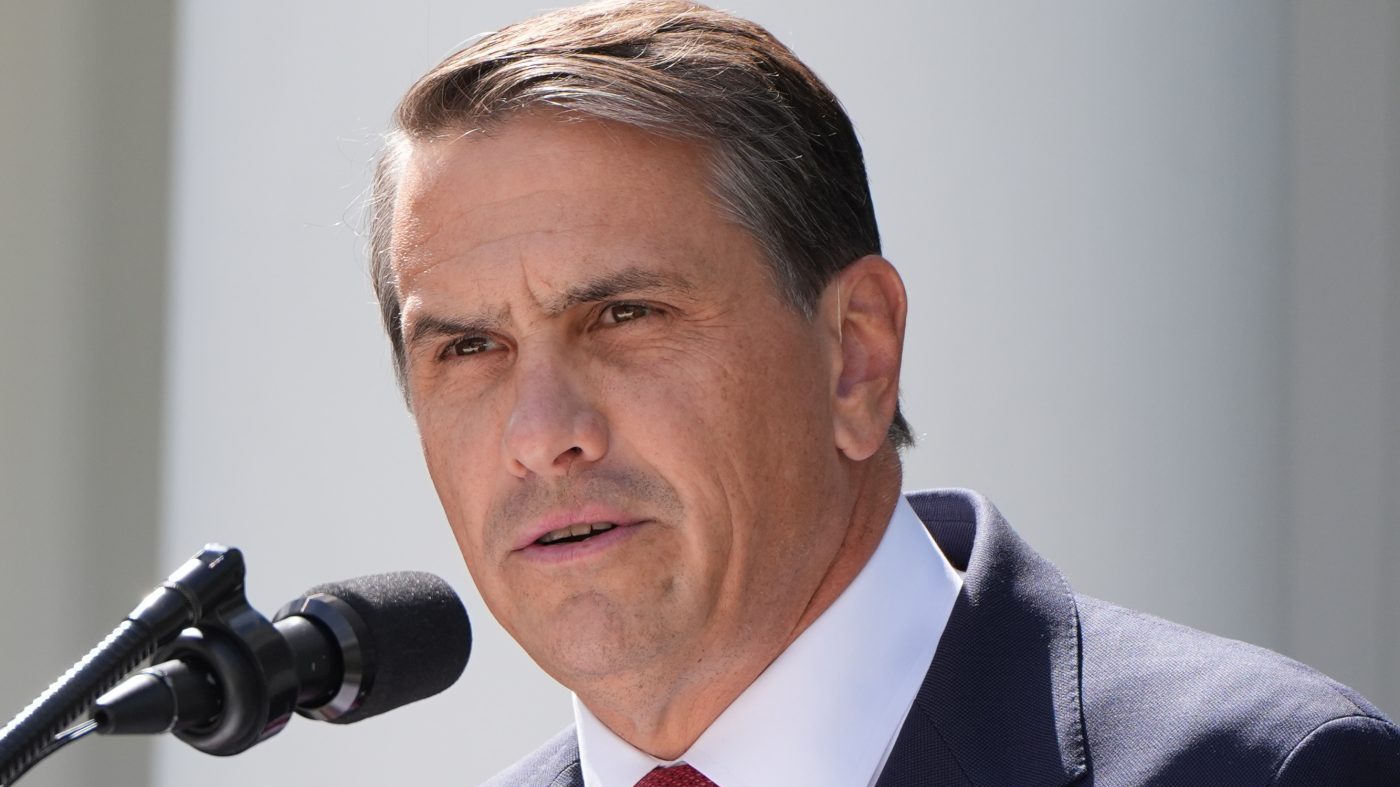
On Capitol Hill, the Senate Intelligence Committee had been poised to hold a confirmation hearing for Jay Clayton, Trump’s nominee for Director of National Intelligence. However, the president threw the process into disarray by announcing he would delay Clayton’s nomination until the Senate passes the SAVE America Act. The legislation, which aims to curb what the administration calls “weaponized” government actions, has become a flashpoint in the ongoing struggle between the White House and Congress over executive authority. The delay compounds the uncertainty surrounding the intelligence community’s leadership at a time of heightened global tensions.
Acting Attorney General Todd Blanche has been meeting with Senate Republicans this week to address GOP skepticism about the proposed anti-weaponization fund. Blanche’s efforts are part of a broader push to secure support for the administration’s priorities amid internal party divisions. The fund is intended to protect against perceived political bias in federal agencies, but critics argue it could undermine legitimate oversight.
The developments come as Trump continues to navigate a complex political landscape at home and abroad. His handling of the Iran deal, the Fed’s rate decision, and the stalled DNI nomination all highlight the interplay of domestic politics and international diplomacy. The president’s willingness to leverage nominations and threaten military action reflects his characteristic approach of keeping adversaries and allies alike off balance.
As the G7 summit proceeds, Trump’s remarks are likely to dominate headlines and shape the agenda for the remaining sessions. European leaders, already wary of Washington’s unpredictability, will be watching closely for signals on trade, climate, and security. The dinner at Versailles may offer a more intimate setting for Macron to press his case for a united front on Iran and other issues.
Meanwhile, the SAVE America Act’s fate remains uncertain in the Senate, where bipartisan support is elusive. The delay in Clayton’s confirmation leaves the Office of the Director of National Intelligence without a permanent leader, potentially hampering intelligence coordination at a critical juncture. The standoff underscores the broader tensions between the executive and legislative branches over the scope of presidential power.