There's a common assumption that U.S. inflation is tied to the war with Iran. Every bit of good news from the Gulf prompts cheers about falling prices, especially oil. Bad news does the opposite. But while Middle East turmoil affects oil and some prices, it's not the root cause of inflation's stubbornly high level.
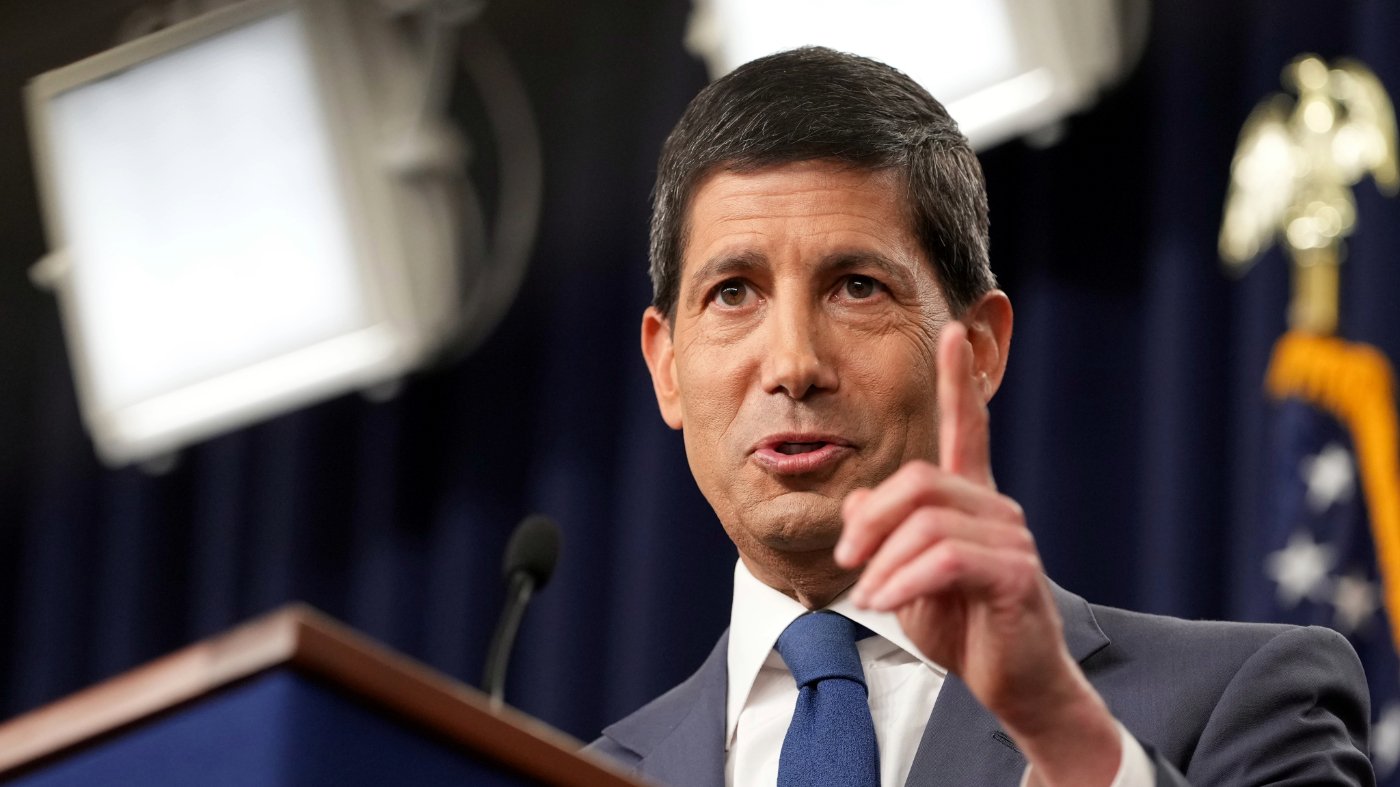
The deeper problem is decades of monetary policy. That's why it was striking to hear new Federal Reserve Chair Kevin Warsh say flatly: "The members of our committee have no tolerance for persistently elevated inflation."
Inflation has indeed been persistently above the Fed's 2% target for nearly a decade. That target itself is questionable—2% annual inflation over nine years erodes a dollar's purchasing power by almost 18%. But the real picture is worse: using the trimmed-mean Consumer Price Index, which excludes extreme price swings, total inflation since 2017 has been about 36%.
This inflationary era began in the late 1980s under Alan Greenspan. He abandoned his earlier principles and began systematically printing money and manipulating interest rates, starting as a panicked reaction to the 1987 stock market crash. That set off a 40-year trend that never really ended.
Monetary restraint works. Under Fed Chairman William McChesney Martin in the 1950s and 1960s, inflation averaged just 1.4% annually from 1952 to 1966, while real GDP grew at a solid 4% per year. Contrast that with the last two decades, when the Fed's balance sheet ballooned to $6.7 trillion—and was even higher recently—yet economic growth averaged less.
Using the same trimmed-mean CPI, annual inflation in the second quarter was 2.8%, and it's averaged 3.5% over the past nine years. Notably, inflation is now close to where it was in the final quarter of the Biden administration, when oil flowed freely through the Strait of Hormuz.
The big question is whether Warsh will follow through on his commitment. That means shrinking the bloated balance sheet he inherited and keeping interest rates higher than many politicians—including the president—would like, especially in an election year. The risk is that this steady approach could trigger a recession. That would be the fault of past inflationary policies, not Warsh's, but he'd bear the blame.
Are Warsh and his Federal Open Market Committee colleagues prepared to risk a recession to undo four decades of inflationary folly? It's been done before. Paul Volcker did it in the 1980s, causing the early-1980s recession but also ushering in a long period of solid growth. The tragedy is that his successors reversed course by the end of that decade.
Warsh's resolve will be tested as he navigates pressure from the White House and markets. His recent address to the nation on holding rates amid energy jitters signals he's aware of the stakes, but actions will speak louder than words.