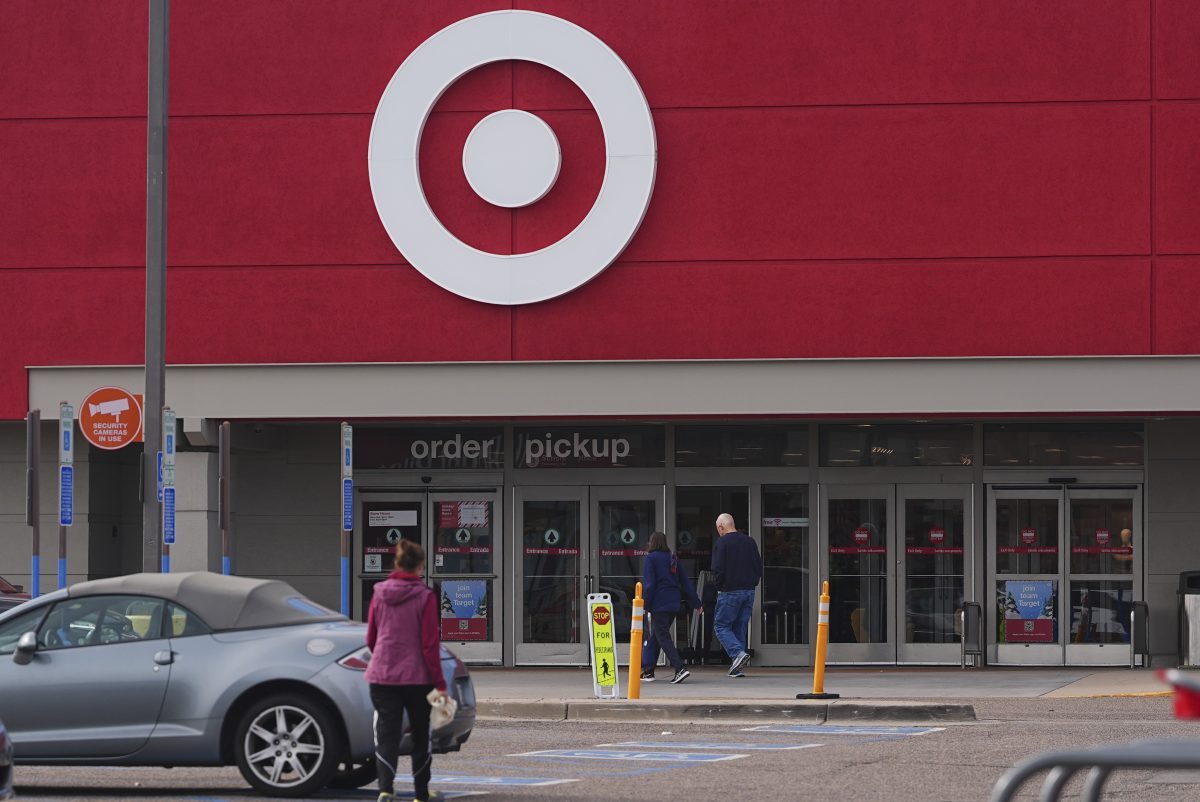
Target is pushing ahead with its ambitious expansion strategy, opening eight new stores this October and outlining plans for dozens more in the coming years. The Minneapolis-based retailer, which crossed the 2,000-store milestone in March, is on track to meet its goal of adding over 300 new locations by 2035.
According to company estimates, most American households already live within 10 miles of a Target store. The new openings will further tighten that network, particularly in underserved communities.

October Openings
On October 11, Target will welcome customers at eight locations across seven states:
- Tupelo, Mississippi
- Bridgehampton, New York
- Cookeville, Tennessee
- Fort Worth-Chisholm Trail, Texas
- Katy Heritage, Texas
- Liberty Hill, Texas
- Norfolk-Wards Corner, Virginia
An additional store in Lima, Ohio—converting a former Macy's—is slated to open on November 8.
The Tupelo store will be the largest Target in Mississippi, spanning roughly 148,000 square feet. Texas locations will be similarly sized, while the Bridgehampton outlet will be more compact at about 90,000 square feet. The remaining stores will average around 128,000 square feet. Each new location will include a Starbucks Café.
Future Pipeline
These October openings are the final ones planned for 2026, but Target's website lists more than 30 additional stores across 21 states that are in the pipeline. Many are expected to debut in 2027, including locations in Denver, Colorado; Monument, Colorado; Covington, Georgia; Chubbuck, Idaho; Meridian, Idaho; Terre Haute, Indiana; Hermitage, Pennsylvania; Gallatin, Tennessee; Dripping Springs, Texas; Herriman, Utah; Lehi, Utah; and Brown Deer, Wisconsin. The Chelsea, Alabama, store may not open until 2028.
The expansion spans a mix of new developments and repurposed retail spaces. In several cities—such as Meridian, Winter Haven, Denham Springs, Davison, Fayetteville, Williston, Hermitage, Lexington, Newport, Farr West, Farmington, and Albuquerque—Target will anchor new or growing commercial projects. Elsewhere, the retailer is taking over shuttered properties, including a former Sears in Clearwater, Florida; a theater and office retailer in Fort Lauderdale; a vacant Kmart in Round Lake Beach, Illinois; and a mall under redevelopment in Chubbuck, Idaho.
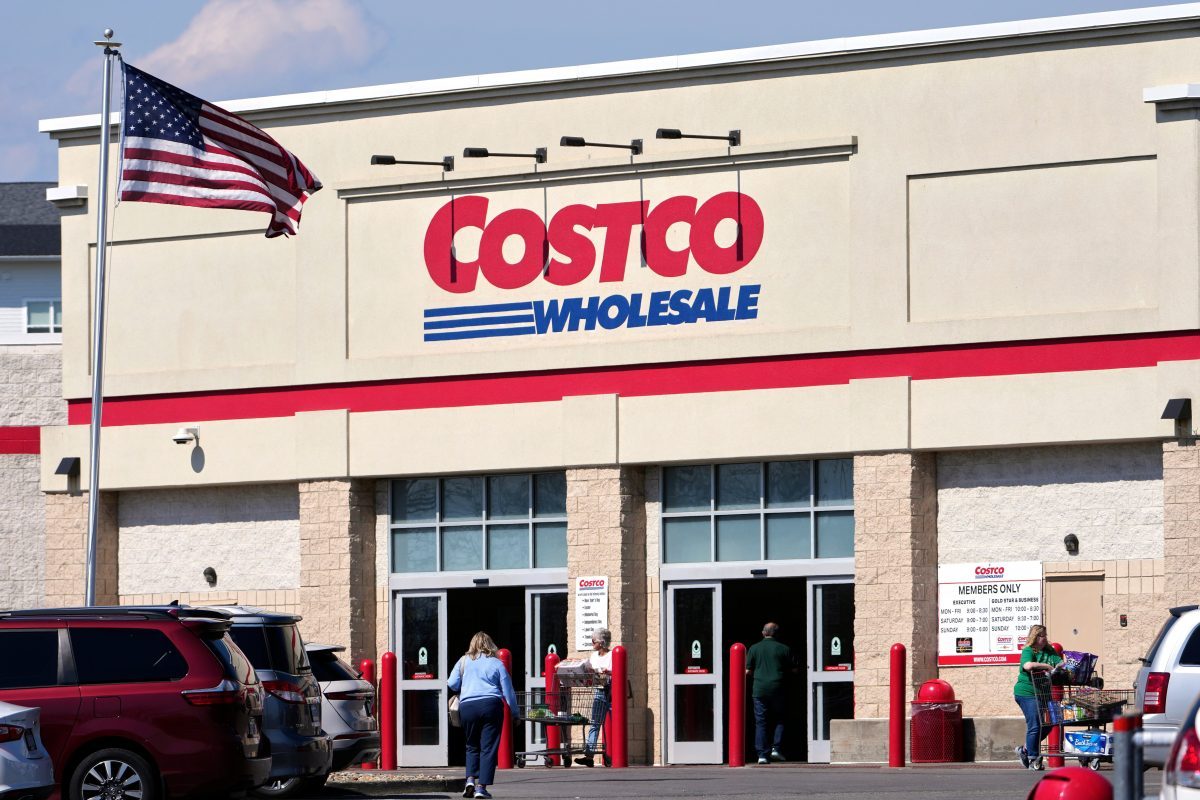
This aggressive growth comes as other big-box retailers, like Costco, also pursue major expansion plans. Target's strategy reflects confidence in physical retail, even as e-commerce continues to grow.
Political observers note that retail expansion can have local economic implications, often becoming a talking point in regional policy debates. For instance, state-level policy battles can influence business climate perceptions, and Texas's political landscape may shape how companies like Target navigate expansion there.
Target's move also comes amid broader discussions about corporate influence and regulatory scrutiny of business practices. Still, the retailer's expansion appears to be a straightforward bet on consumer demand.