Massachusetts Democrats have handed Republicans a potent political weapon for the midterms, and the question now is whether the GOP will use it. Governor Maura Healey recently signed into law an expansion of the state's already permissive abortion statute, removing all gestational limits and permitting abortion up to the moment of birth based on the 'professional judgment' of the abortion provider—a judgment that cannot be questioned or reviewed. The move aligns Massachusetts with only a handful of nations, including China, and has sparked fresh outrage even among some who rarely engage on the issue.
At SBA Pro-Life America, our canvassing teams are encountering voters across the country who are horrified to learn how extreme abortion laws have become. The Massachusetts law, celebrated by Healey and Democratic lawmakers with apparent glee, echoes New York Governor Andrew Cuomo's 2019 decision to light up One World Trade Center after stripping protections for unborn children. That moment became a national flashpoint, and this one has similar potential.

In letters to Republican candidates nationwide, I have urged them to go on the offensive and boldly contrast their position with Democratic extremism. Our testing shows that doing so can shift races by 4 to 5 points in favor of the GOP candidate. To put that in perspective, a shift of that magnitude in 2024 would have produced a 57-seat Republican Senate majority—or, conversely, a President Kamala Harris and a Democratic-controlled House. The stakes could not be higher.
Democrats are acutely aware of their vulnerability on this issue. Their pollsters and strategists advise candidates to keep their positions vague, and many, like Harris in 2024, flatly deny that elective late-term abortions occur. But such denials are becoming less credible by the day. Massachusetts now joins the District of Columbia and 11 other states with no gestational limits whatsoever—a strange growth for a practice that supposedly never happens. Federal data show that the vast majority of abortions are performed for elective or unspecified reasons, regardless of gestational age.
A striking example of Democratic proximity to late-term abortion extremism is Ohio Senate candidate Sherrod Brown, who counts retired late-term abortionist Warren Hern as a campaign donor. Hern, who views every pregnancy as a 'medical problem,' admits to performing sex-selection abortions and estimates that at least half of his procedures involved healthy mothers and healthy babies. Brown, like nearly every Senate and House Democrat, has co-sponsored legislation to codify Hern's and Massachusetts' policy into federal law, forcing all 50 states to allow elective late-term abortion at taxpayer expense.
In battleground races across the country, many ostensibly moderate Democrats are on record supporting similar or identical measures. Yet most voters—including a majority of independents and even some Democrats—find the idea of abortion in the seventh, eighth, or ninth month, when the baby can suck her thumb, recognize her parents' voices, and survive outside the womb, deeply troubling. Polling consistently shows that about seven in ten Americans oppose such extreme policies.
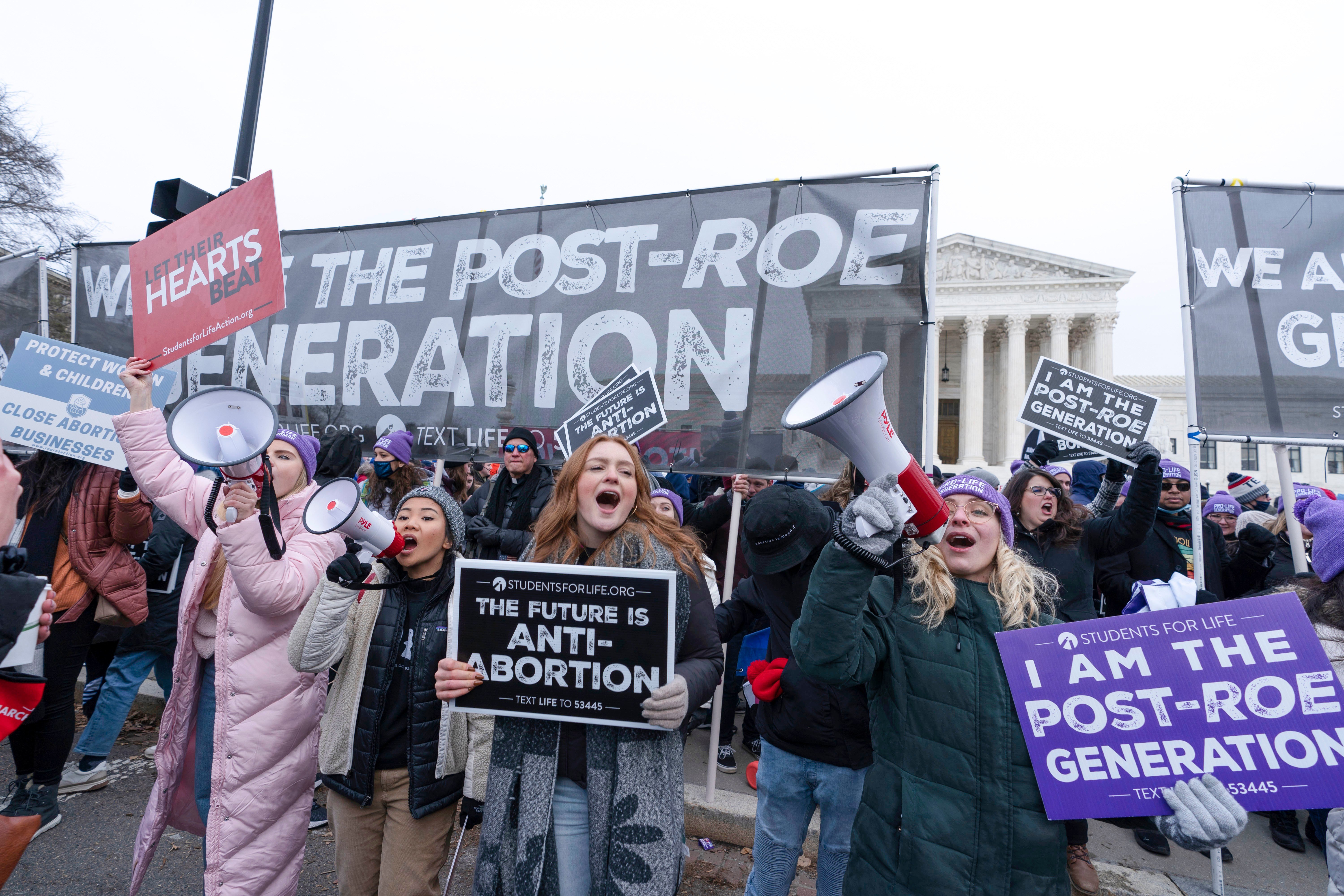
Republicans must be careful not to cede the issue. Some on the right worry that focusing on abortion could distract from economic concerns, but the data suggest otherwise. The base is passionately pro-life and expects the party to address the more than 1.1 million lives ended each year in America. Failure to do so risks demoralizing the most engaged voters and volunteers, which could prove fatal in a tight election cycle.
The Massachusetts law is not an isolated state matter; it is a preview of what a future Democratic trifecta could impose nationwide. The bill is already written, and Democrats have shown they will not hesitate to eliminate the filibuster to pass it. Republicans have a clear choice: use this gift of contrast to their advantage, or watch the most committed voters stay home. The midterms may well hinge on which path they choose.