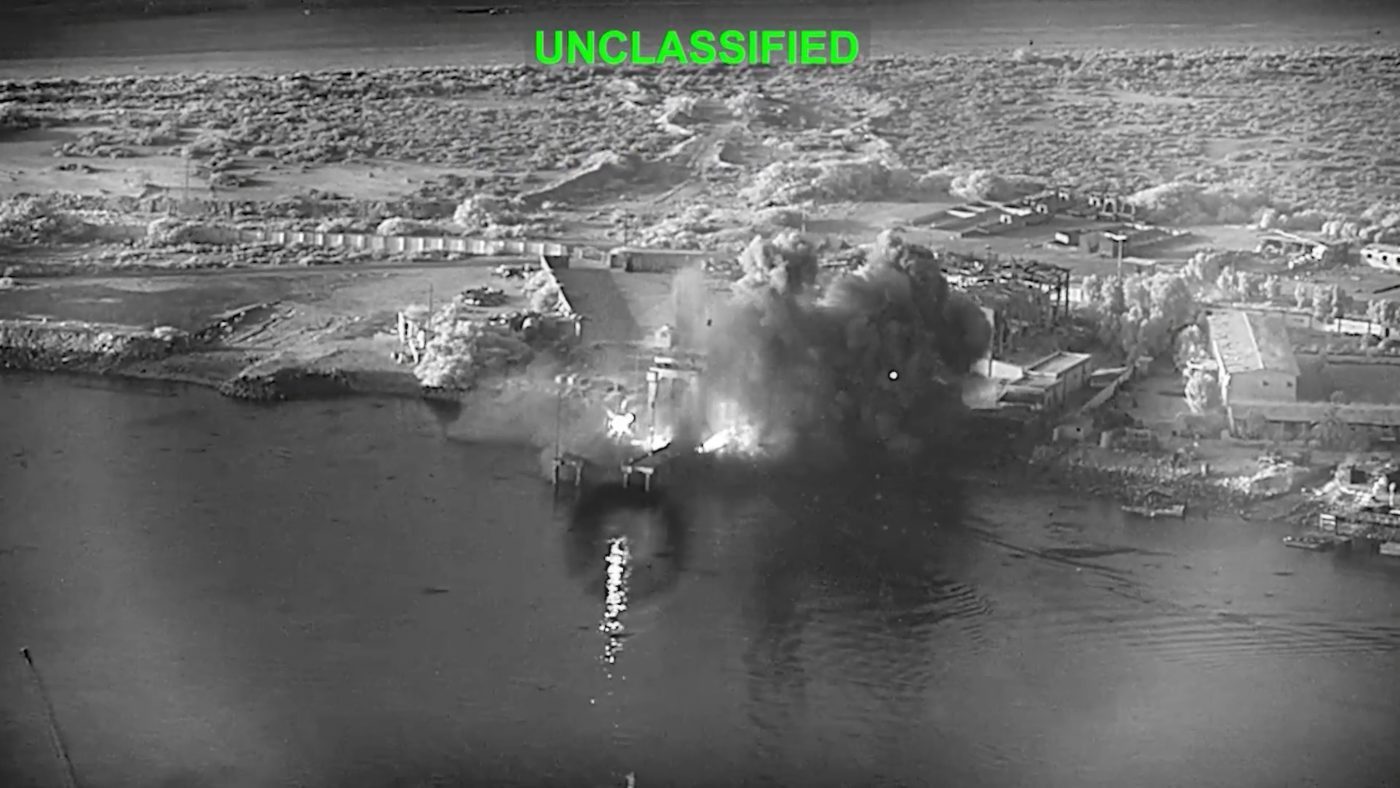
The Iran war has not only destabilized the Strait of Hormuz; it has also rekindled a threat that Washington believed was contained: Somali piracy. Recent seizures off the Horn of Africa reveal that the problem never fully disappeared—it was merely dormant, and now it has been weaponized by Tehran.
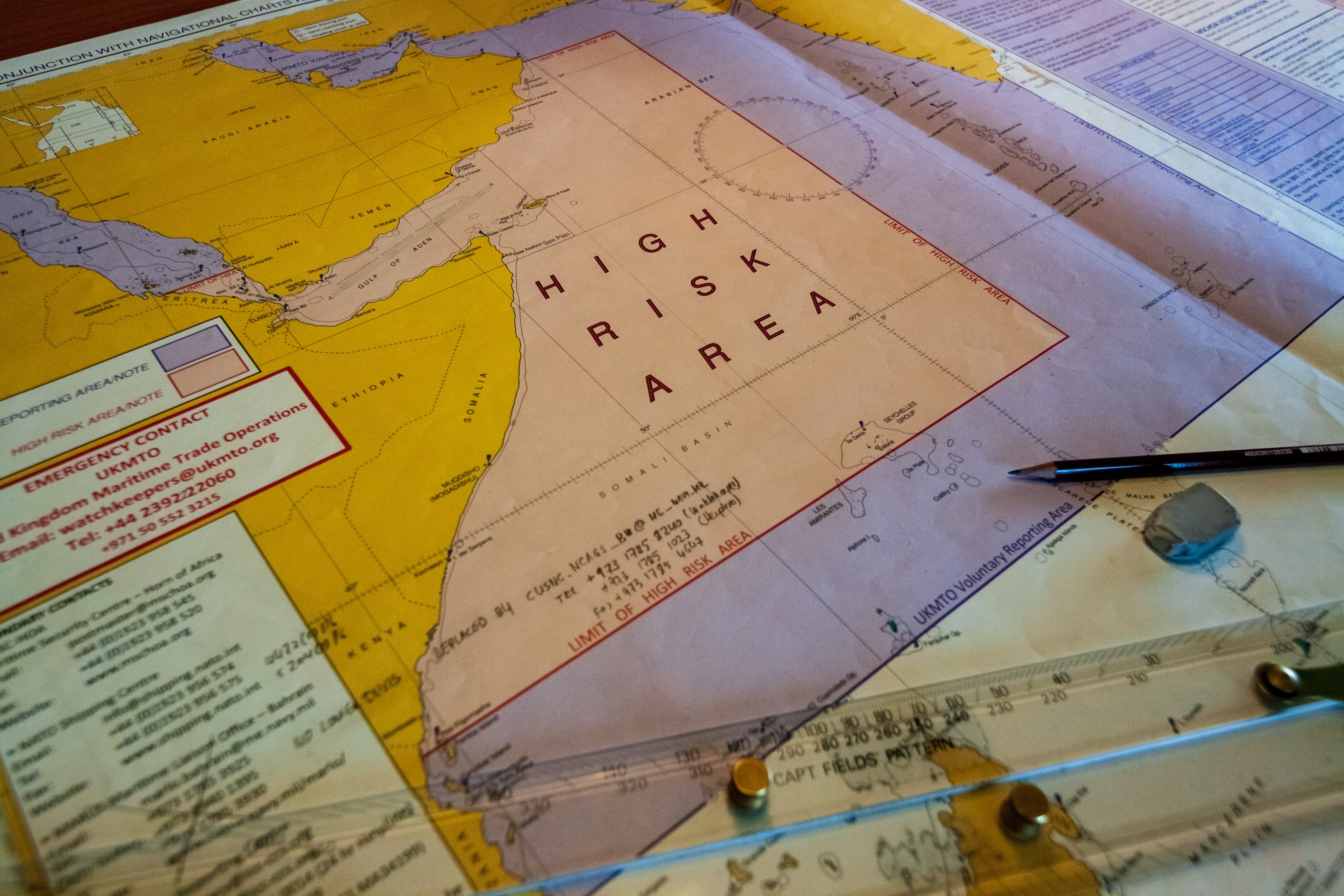
In April and May, pirates captured four vessels in under two weeks off Somalia's coast. Among them was the Togo-flagged oil tanker Eureka, linked to Emirati interests, which was hijacked in the Gulf of Aden and taken to Puntland, where a $10 million ransom is now demanded. This surge is not a coincidence; it is the result of a deliberate strategy orchestrated by Iran and executed through its proxies in Yemen and Somalia.
A 2025 UN Panel of Experts report documents direct meetings between Yemeni terrorist representatives and Somali militants in July and September 2024. The Somali group agreed to escalate piracy in the Gulf of Aden in exchange for weapons, precision GPS tracking devices, and military training conducted in Yemen. The deputy intelligence director of the Puntland Maritime Police Force confirmed in January 2026 that this equipment is now operational within Somali pirate cells.
This is not merely a regional security issue. It is a weapons proliferation and maritime terror problem with a direct line to Tehran. Washington has focused on missile attacks from Yemen in the Bab el-Mandeb Strait, but that view is dangerously incomplete. The Yemeni groups disrupted the Red Sea, and Somali pirates have moved into that disruption. These are not separate threats; they are the same operation running at different ends of the same corridor.
The Iran war did not create piracy, but it has provided the hardware, training, and strategic cover for its resurgence. Every week that international naval assets are stretched toward Yemen gives pirate networks in Puntland time to consolidate, recruit, and push further out to sea. The numbers show the trend: global piracy hit a five-year high in 2025 with 137 incidents, up from 116 the previous year, and the 2026 hijacking cluster suggests worse is to come.
For the United States, the stakes are concrete. Weapons flowing from Yemen to Somalia do not stay there; they feed destabilization across East Africa, a region where the US maintains counterterrorism commitments and military access. The pipeline from Tehran through Yemen to Somalia functions as a sanctions evasion route, a weapons distribution channel, and a ransom-laundering operation. It demands a commensurate response.
Washington's current posture is inadequate. Operation Prosperity Guardian was designed for missile threats, not a hybrid piracy network using Iranian equipment. US Africa Command focuses on land-based counterterrorism in Somalia, while maritime piracy falls under different command structures—a seam that Iran is exploiting. Congress should mandate an interagency review of the Yemen-Somalia weapons pipeline, and the administration should apply Iran sanctions to the financial networks moving ransom payments and weapons proceeds. The Navy must rebuild dedicated counter-piracy presence in the Gulf of Aden proactively, not reactively.
The 2011 lesson was that Somali piracy yields to sustained pressure. The 2026 lesson is that it now has a state sponsor. Treating the Eureka hijacking as a mere crime story rather than a chapter in Iran's regional war will prove far more costly than the $10 million ransom currently on the table in Puntland.