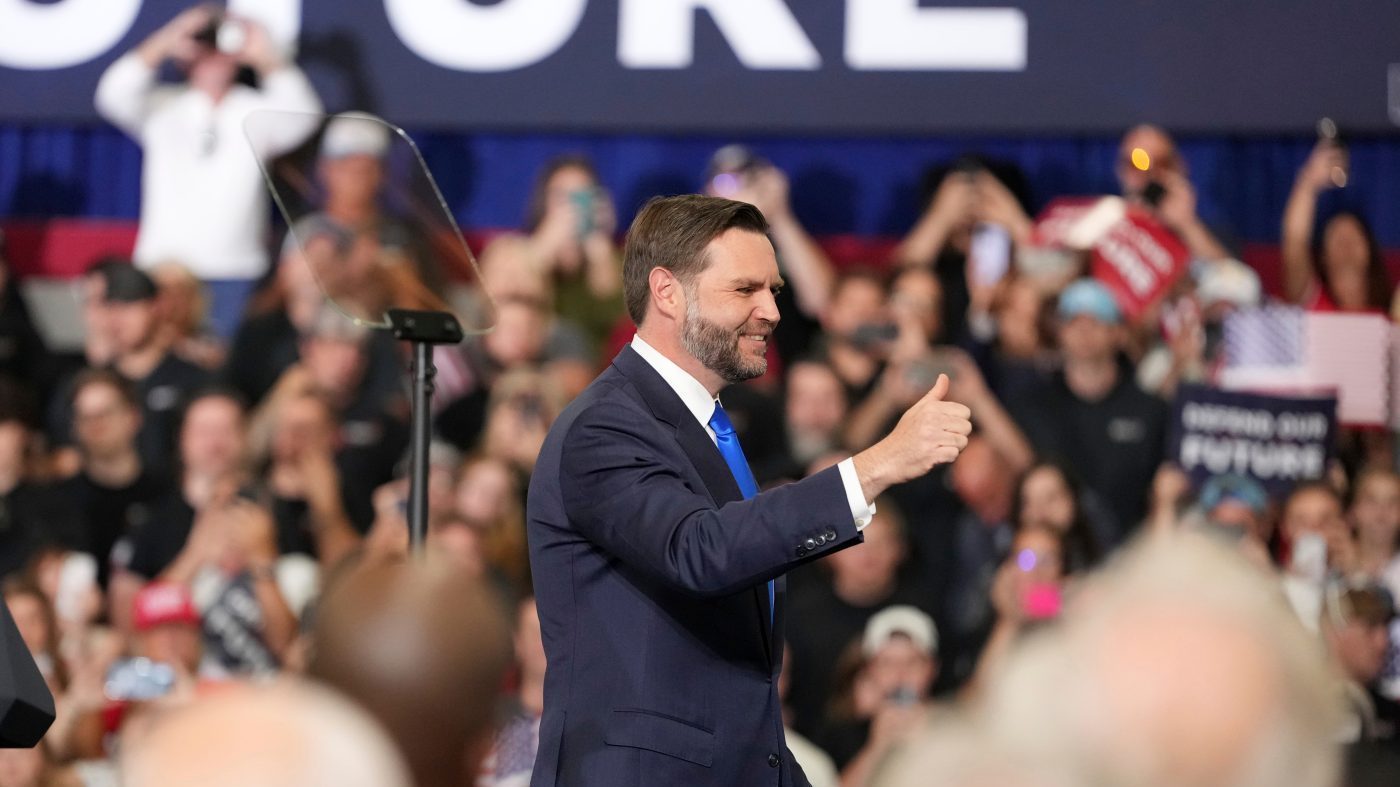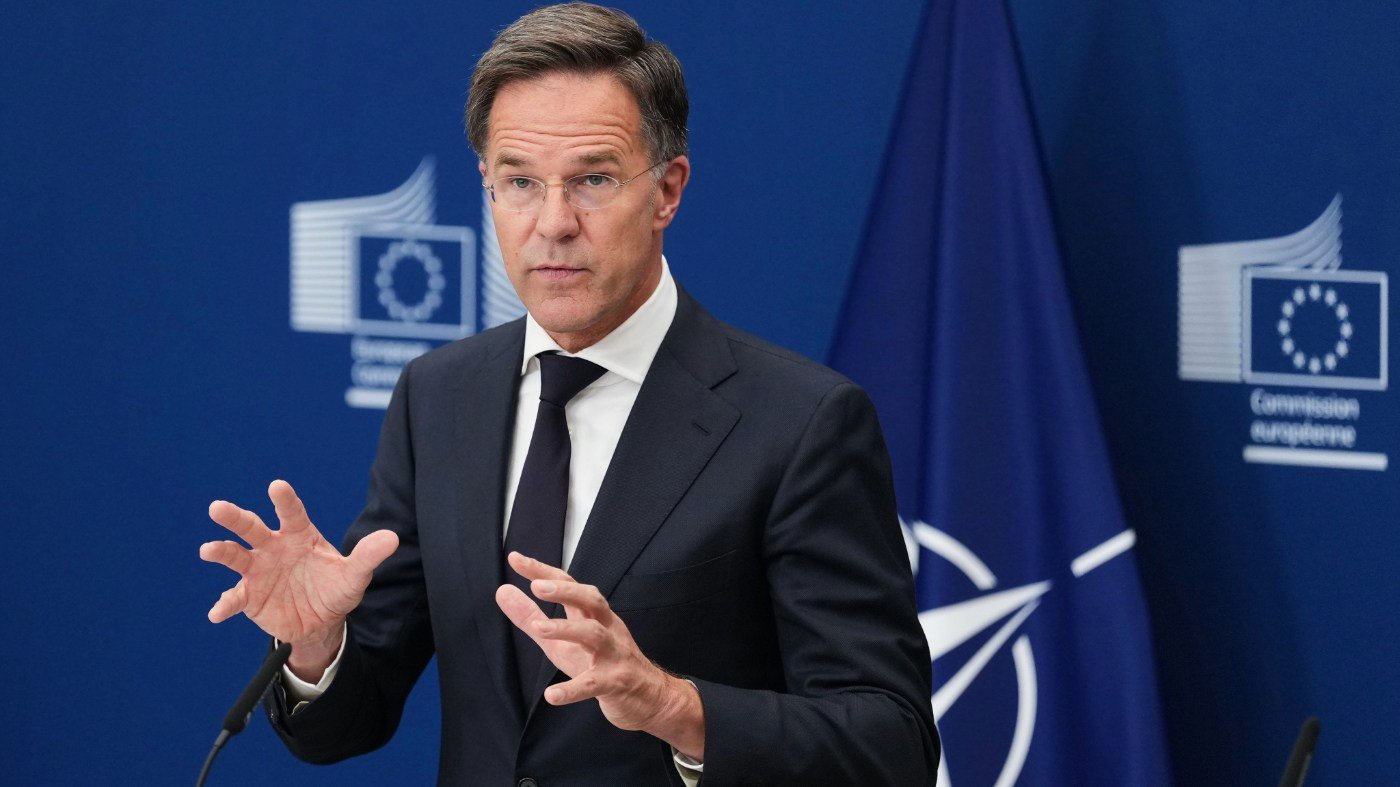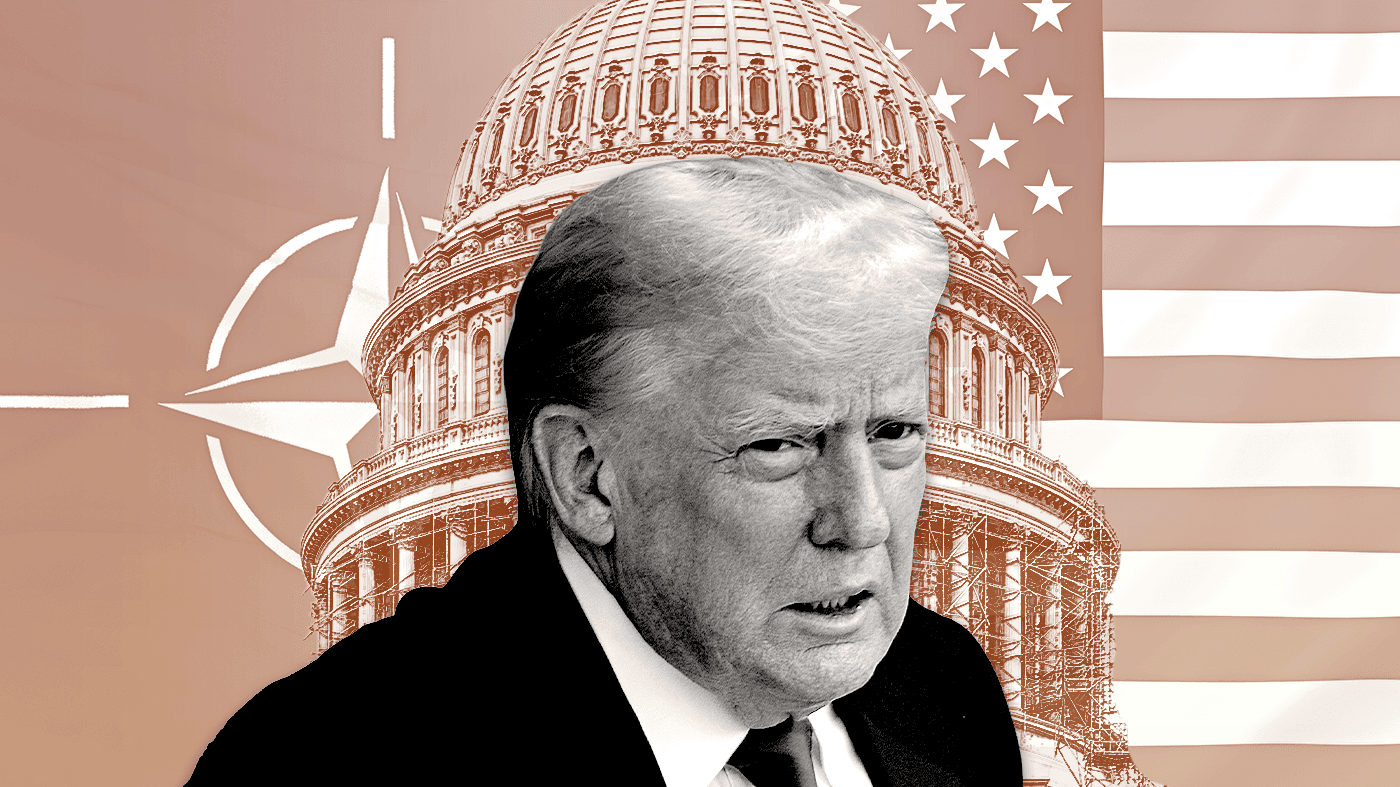
Republicans on the Senate Armed Services Committee are working to reassert congressional influence over U.S. troop deployments in Europe, taking steps to constrain President Trump’s authority as the White House signals a potential drawdown of American military support to NATO allies.
The annual National Defense Authorization Act includes provisions that would bar the Pentagon from using funds to reduce U.S. troop levels in Europe below 76,000 unless it provides Congress with a detailed justification in advance. The move comes amid reports that the administration plans to cut back on air support and reduce the number of fighter jets and warships available for NATO operations, a shift first reported by The New York Times.
Senator Jack Reed of Rhode Island, the top Democrat on the committee, said the bipartisan support for these measures reflects a shared recognition of NATO’s role in global stability. “All of us recognize the critical nature of NATO in terms of global stability, and many of the things the president is doing is undermining our relationship with NATO and our ability to deter the Russians,” Reed said. “We’re sending a clear signal … we have to maintain that posture to maintain peace.”
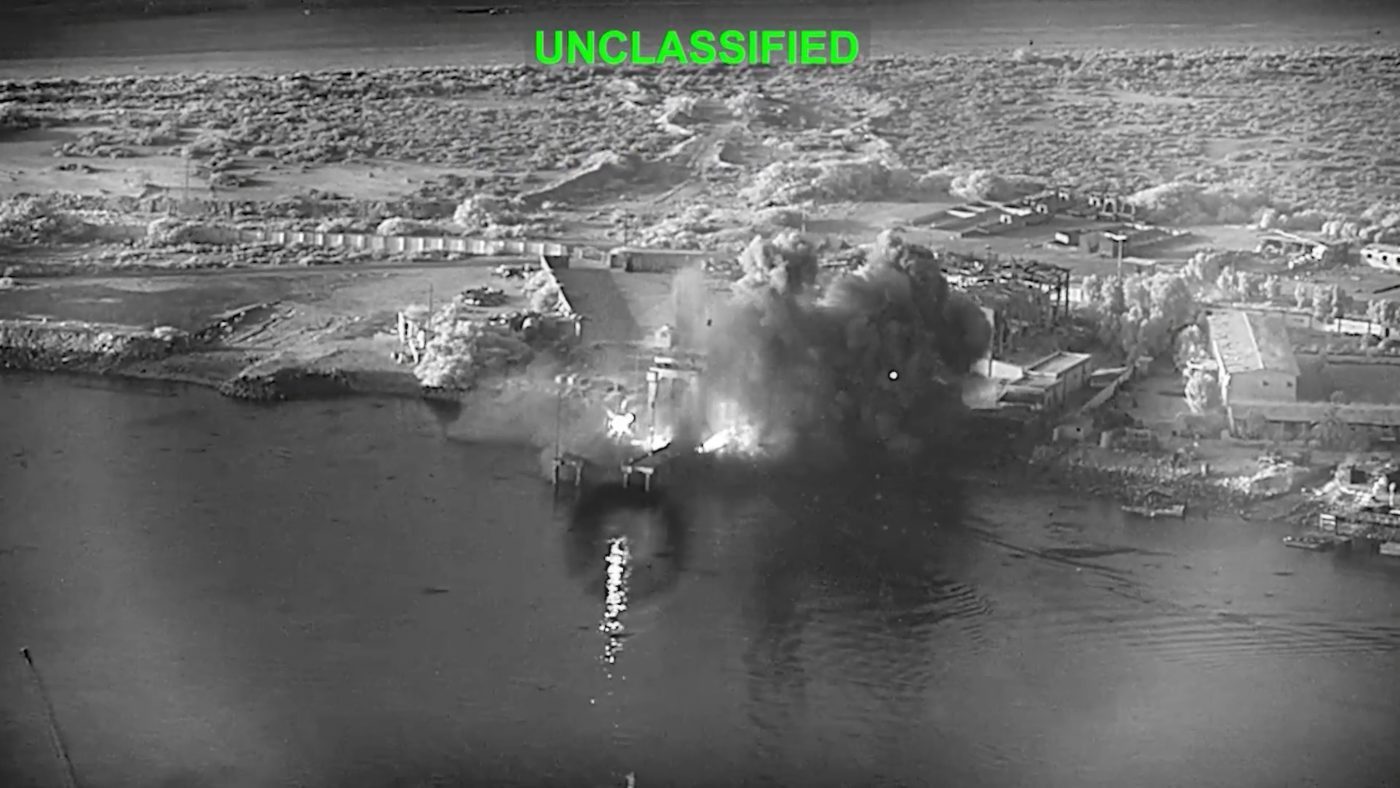
Trump has repeatedly questioned NATO’s value during his second term, threatening to leave the alliance and pulling U.S. troops from Germany over frustrations with European allies’ lack of support for the U.S.-Israel conflict with Iran. The administration argues that European nations are not investing enough in their own defense and have relied too heavily on American military assistance.
While the Republican-controlled Congress has largely deferred to Trump on foreign policy, this effort marks a notable exception. Senator Mike Rounds of South Dakota described the troop-level provisions as widely supported within the party. “It was not a controversial issue,” Rounds said. “It’s very well supported within Congress. We recognize how important it is to have a strong message to our NATO allies that we’re still good partners.”
However, not all Republicans are on board. Senator Tommy Tuberville of Alabama argued that presidents need flexibility to reposition forces as threats evolve. “He’s not gonna abandon Europe,” Tuberville said of Trump. “But there’s obviously places, like we probably got more people in Poland right now because of the Ukraine war, and when that starts to draw down, you gotta be able to move them out.” He pointed to the need for more troops in the Philippines, India, or South Korea to counter China.
The internal GOP divide mirrors broader tensions within the party, with some lawmakers leaning toward an isolationist stance and others prioritizing the alliance. Philippe Dickinson of the Atlantic Council’s Scowcroft Center noted that pro-NATO Republicans are the “most vocal and least inhibited” within the conference, though isolationist voices remain influential.
The Pentagon’s cancellation of a 4,000-troop deployment to Poland in early May sparked bipartisan backlash, leading Trump to reverse course and announce 5,000 troops would be sent instead. Jim Townsend, a former deputy assistant secretary of defense for European and NATO policy under President Obama, said the provisions offer allies reassurance that Congress remains committed to NATO, even as both parties support burden-sharing. “I think what the Democrats would say, and what the Republicans are saying too, is we’ve got to do this as a transition and not just dump it on the Europeans,” Townsend said.
Democrats generally agree that European allies should increase defense spending, but argue that the U.S. must continue providing support during the transition. Senator Richard Blumenthal of Connecticut said, “The European countries have to do more to support their own defense, they recognize that fact, and they are doing more. But we need to be an ally in providing the tools.”
The debate comes as Trump prepares to host French President Emmanuel Macron at Versailles for a gala marking the U.S. semiquincentennial, a sign of ongoing diplomatic engagement despite the tensions. Meanwhile, the administration faces a revolt from some Republicans over its approach to the Iran deal, with concerns over secrecy and nuclear loopholes adding to the foreign policy friction.