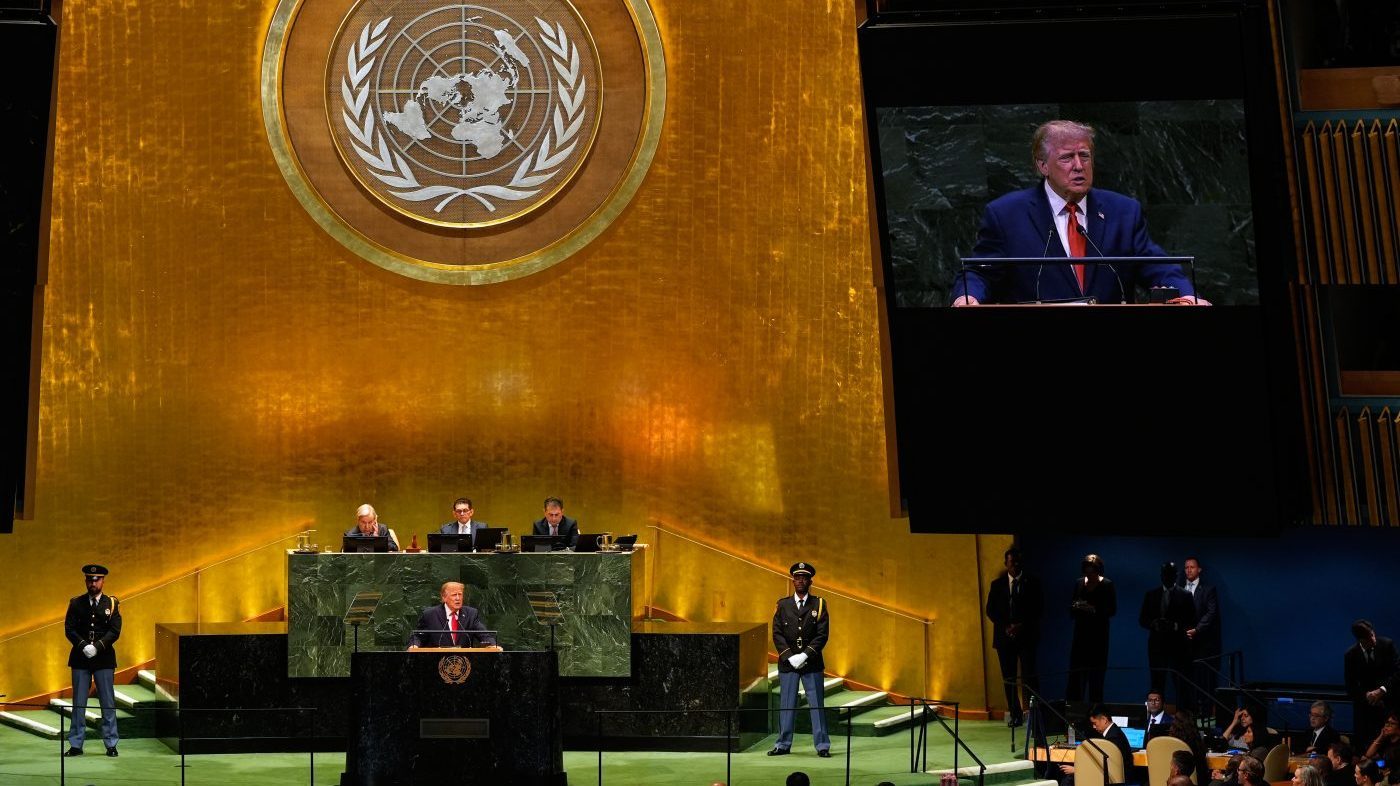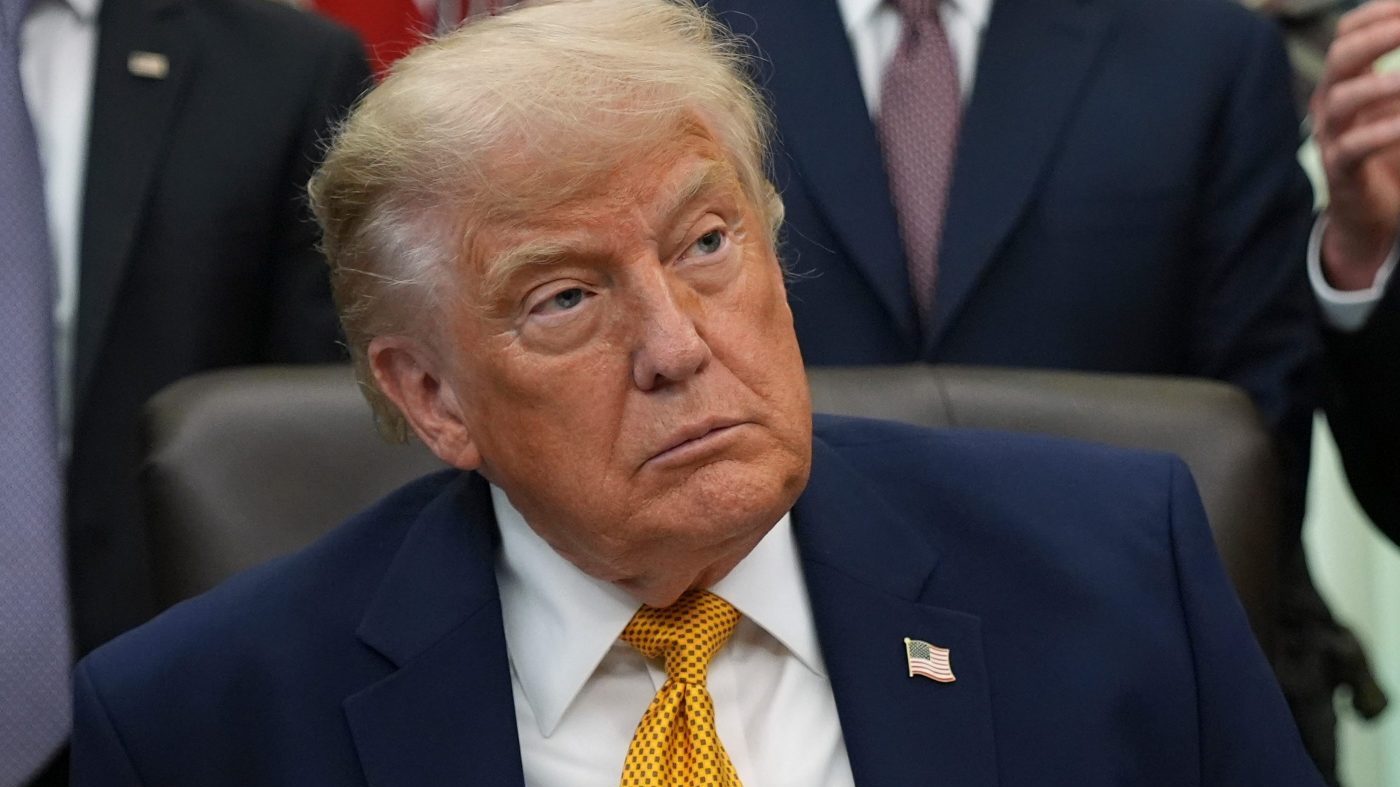
President Donald Trump declared on Tuesday that Iran has "fully and completely agreed to" extensive inspections of its nuclear facilities, as diplomats work toward a final accord. Writing on Truth Social, Trump accused critics and the media of trying to downplay American success, asserting that Tehran has accepted "highest level Nuclear inspections long into the future (Infinity!!!)." He argued this would ensure "Nuclear Honesty" and warned that talks would end if Iranians did not comply.
However, Iranian officials swiftly contradicted the president's claim. Foreign Ministry spokesperson Esmail Baqaei told state-run Fars News Agency that there are no plans to allow inspectors into the country and no meeting scheduled with International Atomic Energy Agency (IAEA) Director-General Rafael Grossi. "No protocol exists in this regard," Baqaei said, pushing back against the White House narrative.
Vice President JD Vance echoed Trump's optimism on Monday, suggesting Tehran would permit inspectors. "We're going to see what they actually let the inspectors do once they're in the country," Vance told reporters. He emphasized that the administration's approach is to "trust actions" and "verify what they're doing, focus less on what they're saying." Vance added that IAEA inspectors, who previously operated under the Obama-era nuclear deal before Trump withdrew in 2018, could resume work as early as this week.
The conflicting statements underscore the fragility of the U.S.-Iran talks, which are operating under a 60-day timeline to negotiate the future of Iran's nuclear program and lift sanctions on the Islamic Republic. Vance noted that discussions have addressed four of 14 points in the memorandum of understanding, including mechanisms to demine the Strait of Hormuz. The Trump administration has previously warned that Iran posed an imminent nuclear threat to the U.S. and Israel, while Tehran insists its program is peaceful.
This development follows the Trump administration's recent defense of sanctions relief as a humanitarian measure and its warning that a Strait of Hormuz blockade could resume. The nuclear issue remains central to the broader U.S.-Iran conflict, with the administration's strategy drawing both domestic and international scrutiny.
Iran's nuclear program has been a flashpoint since the U.S. withdrew from the 2015 Joint Comprehensive Plan of Action. The current talks aim to establish a new framework, but the gap between public statements by U.S. and Iranian officials raises questions about the real progress being made. The IAEA has not yet commented on the claims.
The Hill reached out to the IAEA for comment but had not received a response at press time.