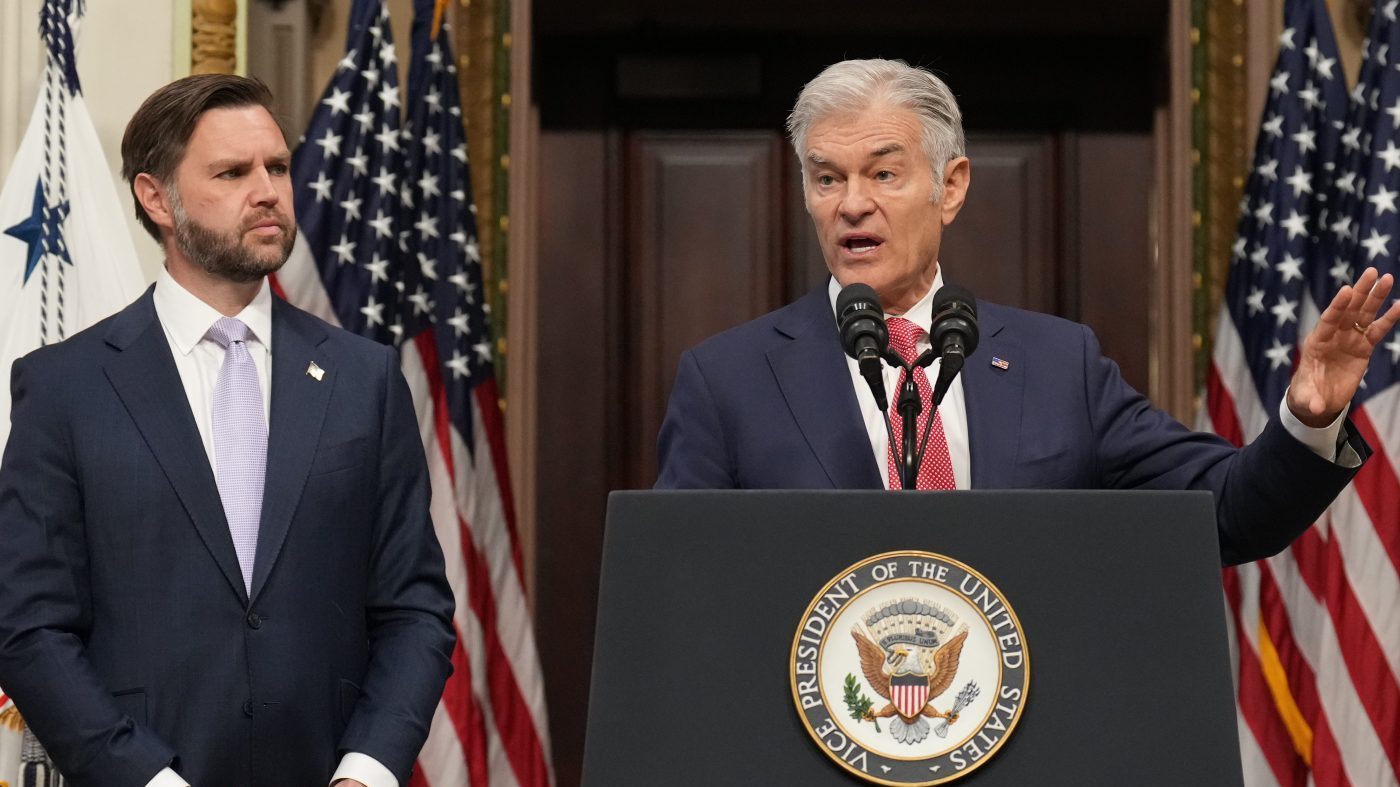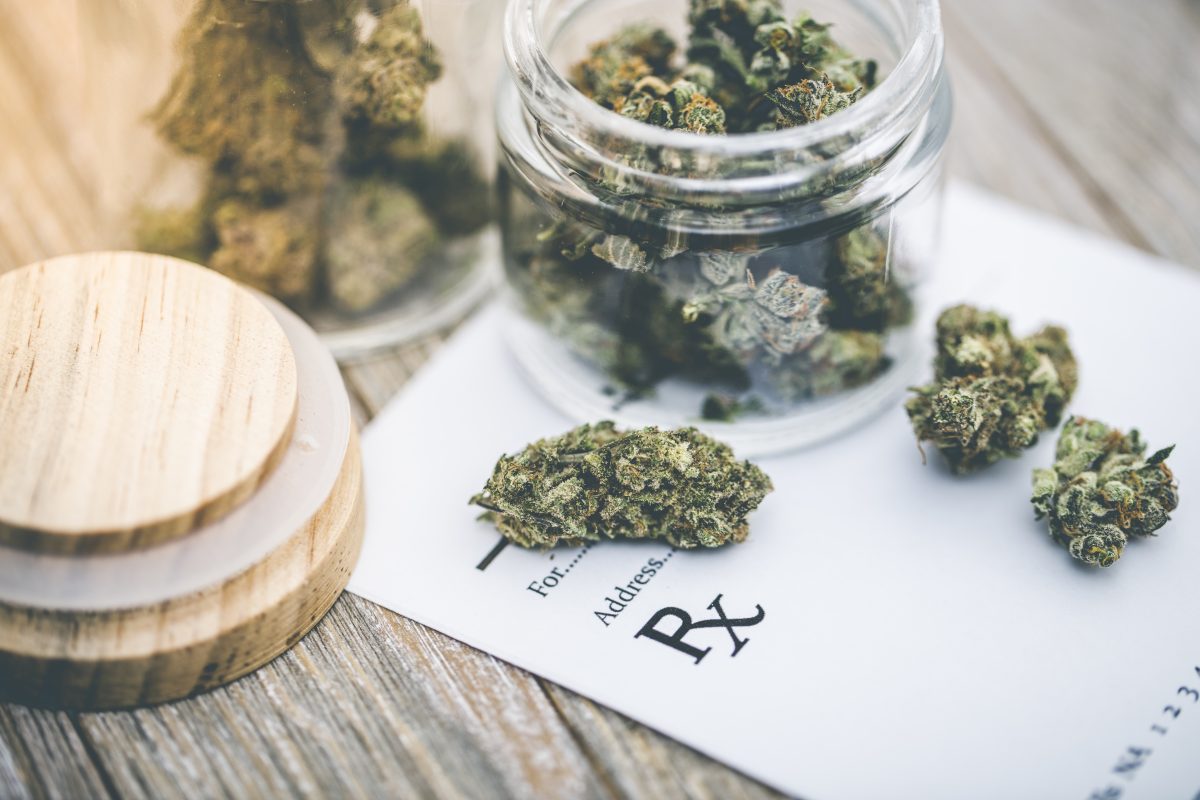
Acting Attorney General Todd Blanche, acting on President Trump's directive, signed an order Thursday that reclassifies state-licensed medical marijuana as a less-dangerous substance, marking a significant shift in federal drug policy.
The order does not legalize marijuana under federal law but alters how the drug is regulated in the 40 states that permit medical use. It also grants tax deductions to medical marijuana businesses and clarifies access for researchers.

New Classification Details
The directive instructs the Drug Enforcement Administration (DEA) to move medical marijuana from Schedule I to Schedule III under the Controlled Substances Act. Schedule I drugs, which include heroin and LSD, are defined as having no accepted medical use and high abuse potential. Schedule III drugs, such as ketamine and Tylenol with codeine, are considered to have moderate to low potential for dependence.
Impact on States and Industry
Forty states have legalized medical marijuana, while eight others allow low-THC cannabis or CBD oil. Twenty-four states and Washington, D.C., also permit recreational use. Only Idaho and Kansas maintain full bans.
Under the new classification, licensed medical marijuana dispensaries can deduct business expenses from federal taxes, a benefit previously denied under Schedule I status. Researchers will also find it easier to obtain cannabis from state-licensed operators for studies.
In a social media post Thursday, Blanche wrote, “These actions will enable more targeted, rigorous research into marijuana’s safety and efficacy, expanding patients’ access to treatments and empowering doctors to make better-informed healthcare decisions.”
Political Context
The reclassification process began under the Biden administration but stalled when Trump took office. Trump signaled support for continuing the effort and signed an executive order in December directing an expedited rescheduling, citing barriers to cannabis research.
“Unless a drug is recommended by a doctor for medical reasons, just don’t do it,” Trump said at the signing ceremony, warning against recreational use. “At the same time, the facts compel the federal government to recognize that marijuana can be legitimate in terms of medical applications when carefully administered.”
Blanche’s order bypasses the typical review process by invoking the attorney general’s authority to classify drugs. The DEA has scheduled a hearing for June 29 to consider broader regulatory changes.
DEA Administrator Terry Cole said in a statement, “Under the direction of President Trump and Acting Attorney General Blanche, DEA is expeditiously moving forward with the administrative hearing process — bringing consistency and oversight to an area that has lacked both.”
The move aligns with broader GOP debates over federal spending and state autonomy, as seen in recent Republican opposition to Trump's Spirit Airlines bailout plan and ongoing discussions about state-level fiscal policies driving population shifts.