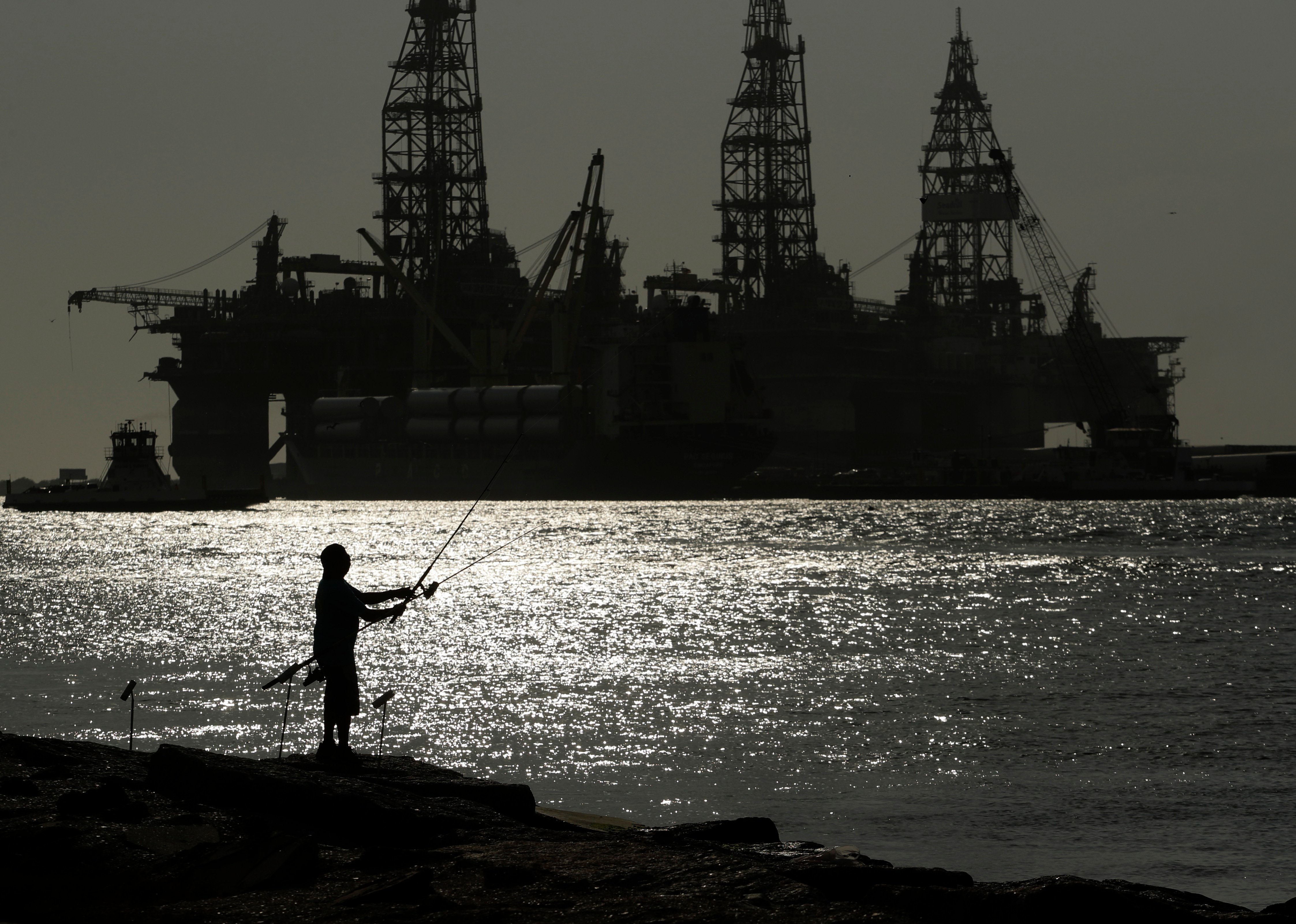
The Trump administration is moving to exempt oil and gas exploration in the Gulf of Mexico from the Endangered Species Act, invoking national security justifications as it escalates military tensions with Iran. The administration has requested a meeting of the rarely convened Endangered Species Committee—colloquially known as the "God Squad"—to grant a blanket waiver for energy projects, alarming conservationists who warn it could establish a precedent for rolling back environmental protections for fossil fuel development.
Legal Challenge and Committee Process
Environmental organizations, led by the Center for Biological Diversity, have filed a lawsuit to block the committee's meeting, scheduled for Tuesday. They argue the administration has failed to meet several legal requirements, including applying within 90 days of a completed biological opinion and ensuring the hearing is properly public. The motion will be heard by U.S. District Judge Rudolph Contreras, who has previously ruled against the Trump administration.

The committee itself is a powerful but seldom-used panel established in 1978. It has convened only three times in its history and issued just two exemptions: one for a dam in Wyoming in 1979 and another for logging in Oregon in 1992, which was later withdrawn. President Trump, upon returning to office in January, directed the committee to meet quarterly to advance his domestic energy agenda, though Tuesday would mark its first gathering under this directive.
National Security Claim and Species at Risk
In a court filing, the Justice Department asserted that standard legal requirements do not apply because Defense Secretary Pete Hegseth is invoking national security provisions. Hegseth's request to Interior Secretary Doug Burgum states it is "necessary for reasons of national security" to exempt all federal Gulf oil and gas activities from the act's protections.
Environmental lawyers counter that the administration has not specified a military need that would justify endangering specific species. They fear a broad exemption would threaten several protected animals, most critically the Rice's whale, with an estimated population of only 50 in the Gulf. "There’s no imaginable justification to sacrifice them," said Steve Mashuda, Earthjustice managing attorney for oceans. "It’s beyond reckless even to consider greenlighting the extinction of sea turtles, fish, whales, rays, and corals to further pad the oil industry’s pockets at the public’s expense."
Expert Skepticism on Justification and Impact
Legal and policy experts express deep skepticism about the administration's rationale. Patrick Parenteau, an emeritus professor at Vermont Law and Graduate School who helped draft the committee's criteria, stated, "The Endangered Species Act is not stopping oil and gas development, period. It’s not. So why do you need an exemption?" He characterized the national security argument as a pretext to remove environmental obstacles to fossil fuel projects.
Other experts question the practical impact of such an exemption on current geopolitical tensions. "I think this is mostly about messaging because drilling new offshore oil and gas wells takes years," said Michael Gerrard, director of Columbia University’s Sabin Center for Climate Change Law. He noted it is unclear if the waiver would enable new drilling and doubted it would address oil market shocks from the ongoing conflict with Iran unless it becomes a prolonged crisis.
The administration's push comes amid broader political clashes over its foreign and energy policy. Some congressional Republicans, like Rep. Matt Gaetz, have publicly warned against a ground invasion of Iran, citing economic and security risks. Simultaneously, the administration faces domestic political pressures, including from Senate Democrats who recently rejected a DHS funding bill, forcing consideration of emergency actions.
The outcome of Friday's court hearing and Tuesday's potential committee meeting will signal how far the administration can stretch statutory exemptions in the name of national security and energy dominance, setting a potential template for future environmental rollbacks.