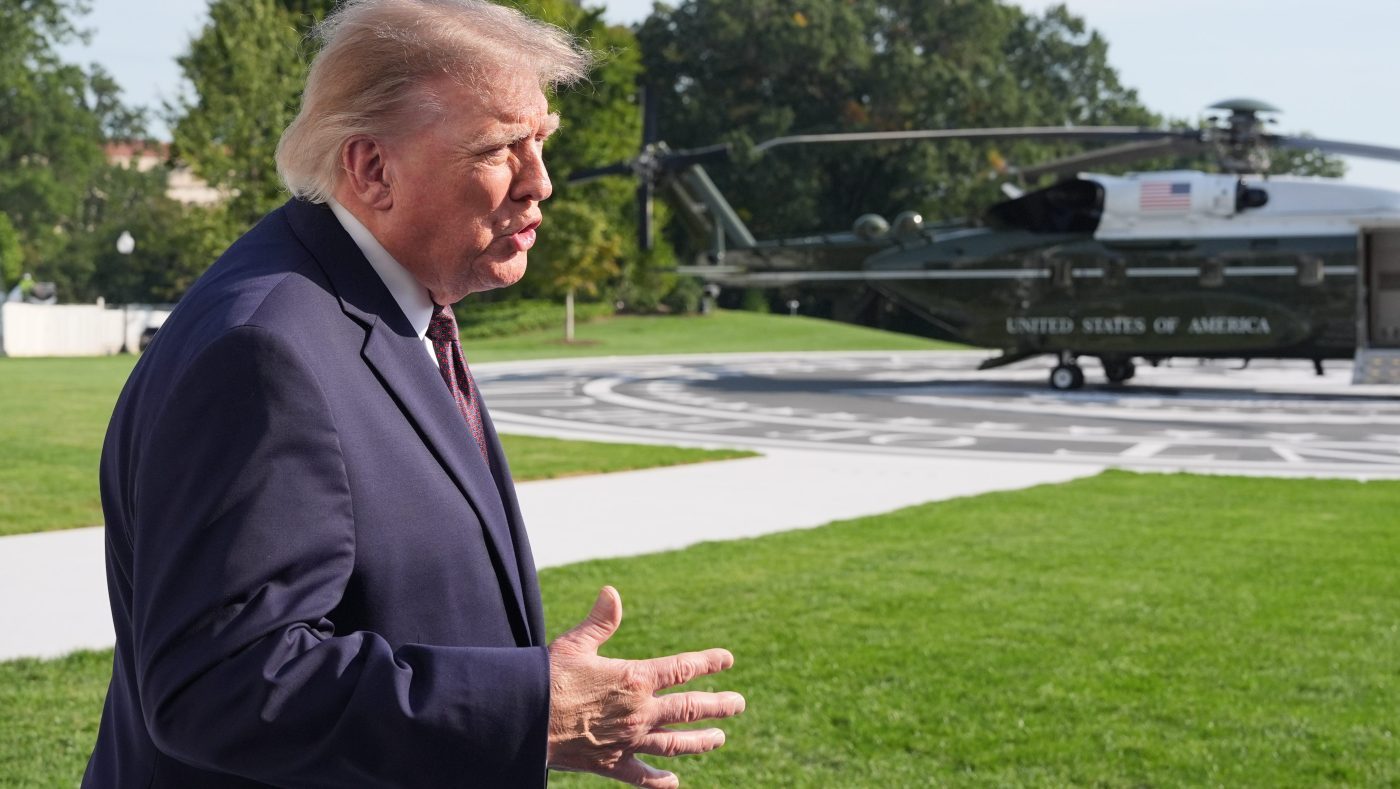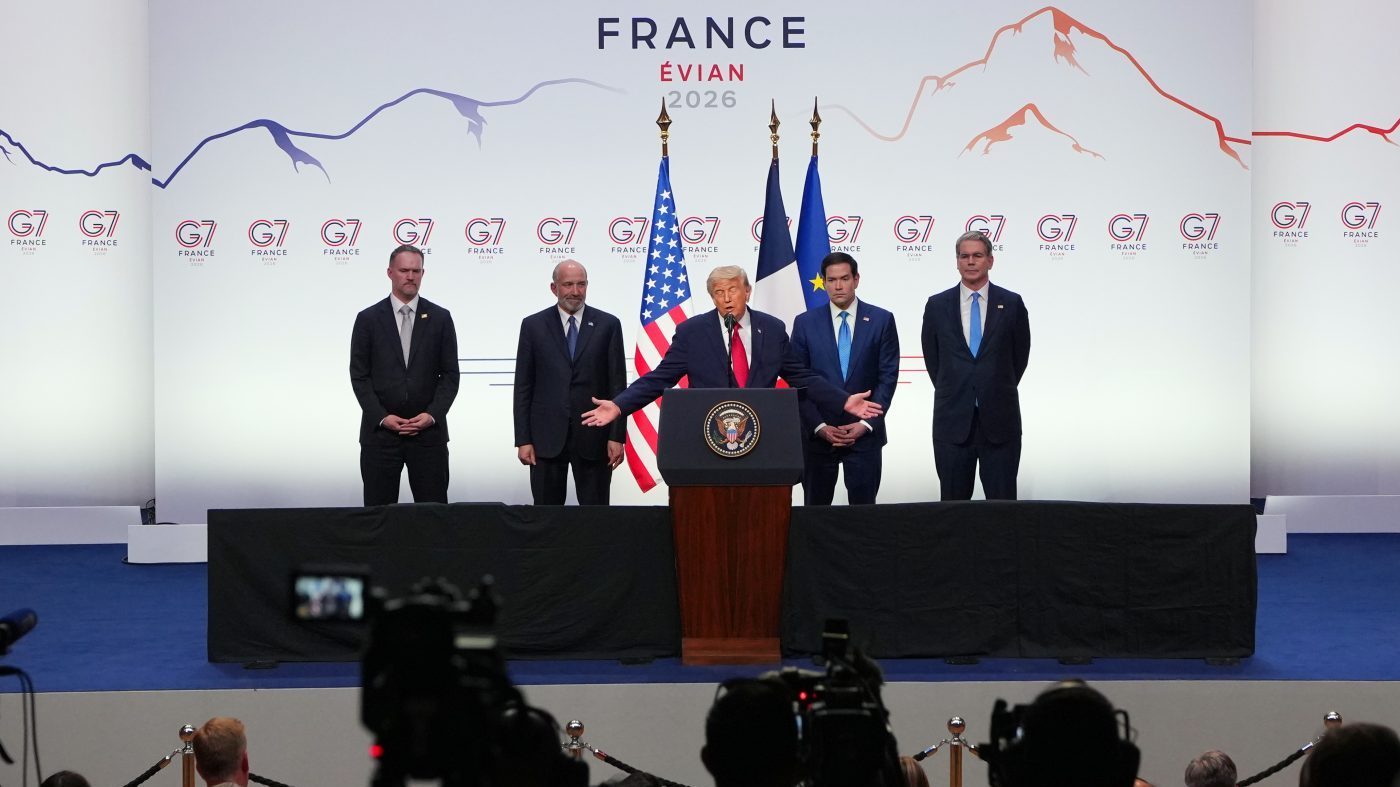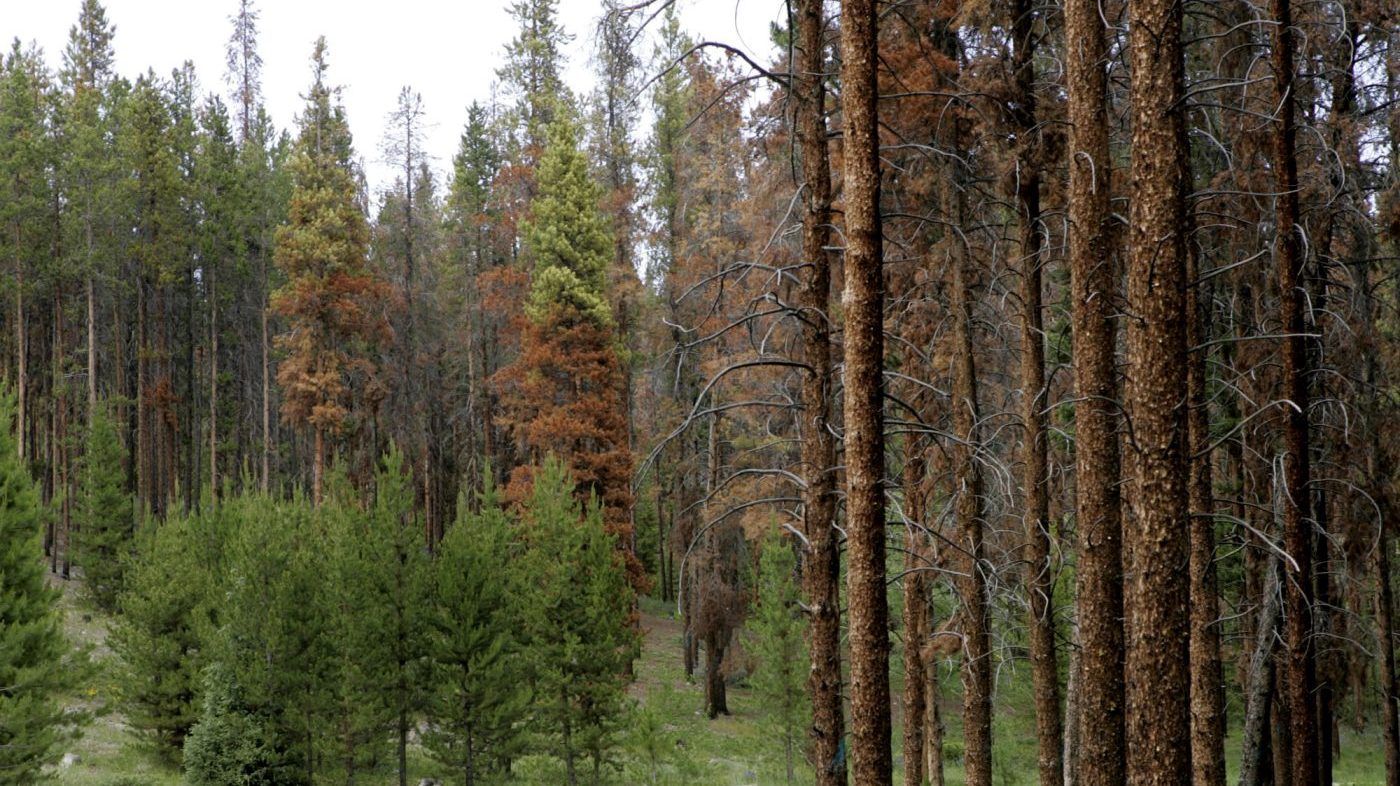
The Trump administration has formally moved to dismantle a long-standing environmental safeguard that has protected vast swaths of America's national forests from road construction, logging, and mineral extraction. In a proposal announced Tuesday, the U.S. Forest Service seeks to rescind the 2001 Roadless Rule, a Clinton-era regulation that barred road-building and timber harvesting in pristine, undeveloped areas of the National Forest System.
The rule, which has survived multiple legal challenges over the past two decades, currently shields roughly 44 million acres—about 23 percent of the 193-million-acre National Forest System. By prohibiting roads, the rule indirectly blocks not only logging but also mining, oil and gas drilling, and other industrial activities that depend on access.
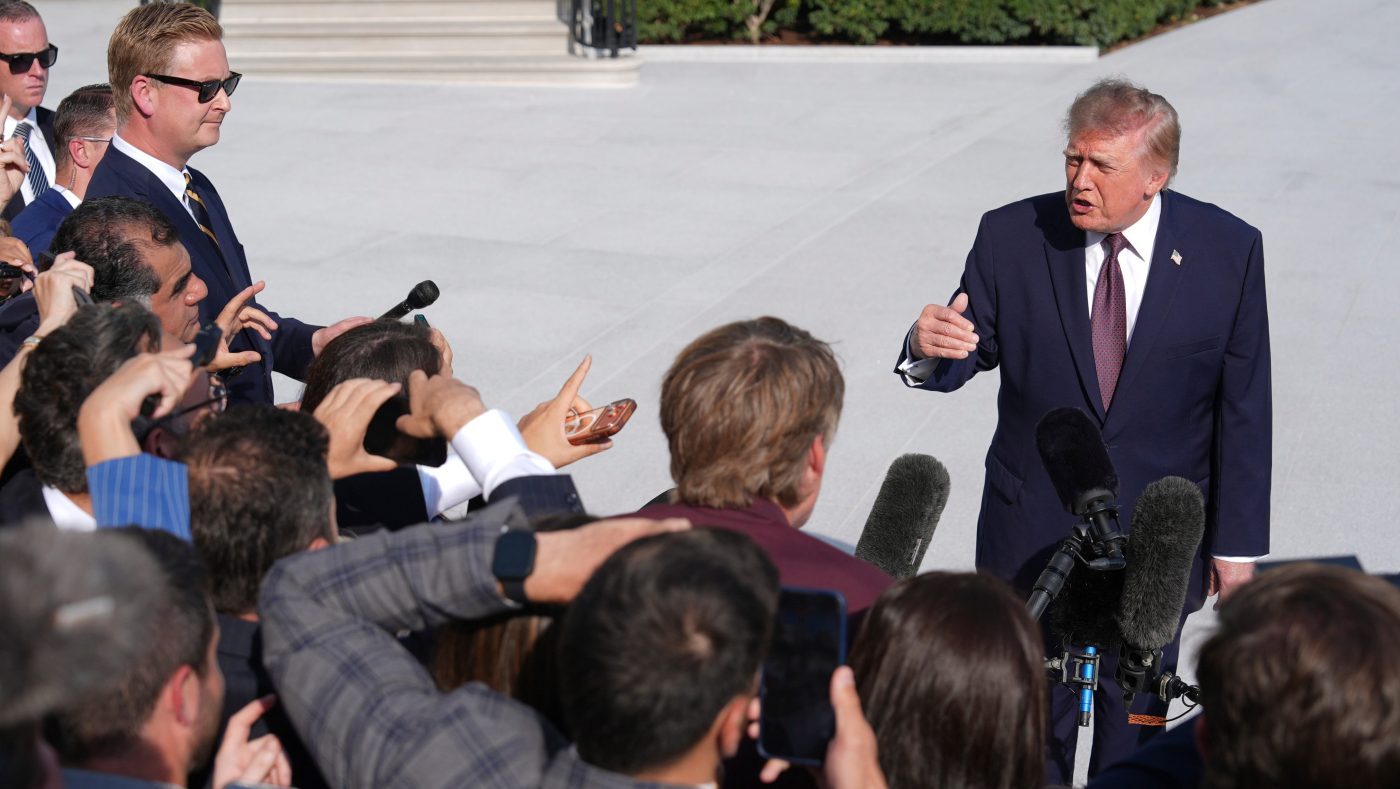
Administration officials argued in a press release that the regulation hampers effective forest management and contributes to the severity of wildfires by preventing necessary thinning and fuel-reduction work. They framed the move as part of a broader push to boost domestic resource production and reduce regulatory burdens on rural communities.
Environmental groups immediately condemned the proposal, warning that it would open some of the nation's most ecologically sensitive lands to exploitation. "This is a gift to the timber and fossil fuel industries at the expense of our national heritage," said one advocate. Critics also note that the Roadless Rule has broad public support, particularly in western states where outdoor recreation is a major economic driver.
The proposal is the latest in a series of administrative actions by the Trump administration to expand energy and resource development on federal lands. Earlier this year, the administration moved to open more areas to oil and gas leasing, and it has repeatedly sought to weaken environmental reviews under the National Environmental Policy Act.
The Forest Service will accept public comments on the proposed rule change for 60 days before issuing a final decision. Legal challenges are widely expected, as previous attempts to weaken the Roadless Rule have been struck down by courts. In 2005, the Bush administration tried to replace it with a state-by-state petition process, but a federal judge reinstated the original rule in 2006.
If the rescission takes effect, individual forest supervisors would be free to approve road construction and logging projects in areas that have remained untouched for decades. The move could also affect ongoing litigation over specific forest projects, including those in Alaska's Tongass National Forest, the largest intact temperate rainforest in the world.
The announcement comes as the administration continues to clash with congressional Democrats over environmental policy. In a separate development, the White House is embroiled in a bitter dispute with Senator Jon Ossoff, a Georgia Democrat who has accused the president of reckless behavior. The Ossoff-Trump feud has escalated in recent days, with the senator calling Trump a "draft-dodging crook" at a town hall.
The roadless rule proposal is also likely to become a flashpoint in the 2026 midterm elections, as voters in western states weigh the trade-offs between economic development and environmental conservation. A recent survey found that nearly 4 in 10 Americans say extreme weather has damaged their communities in the past year, underscoring the political stakes of forest management decisions.