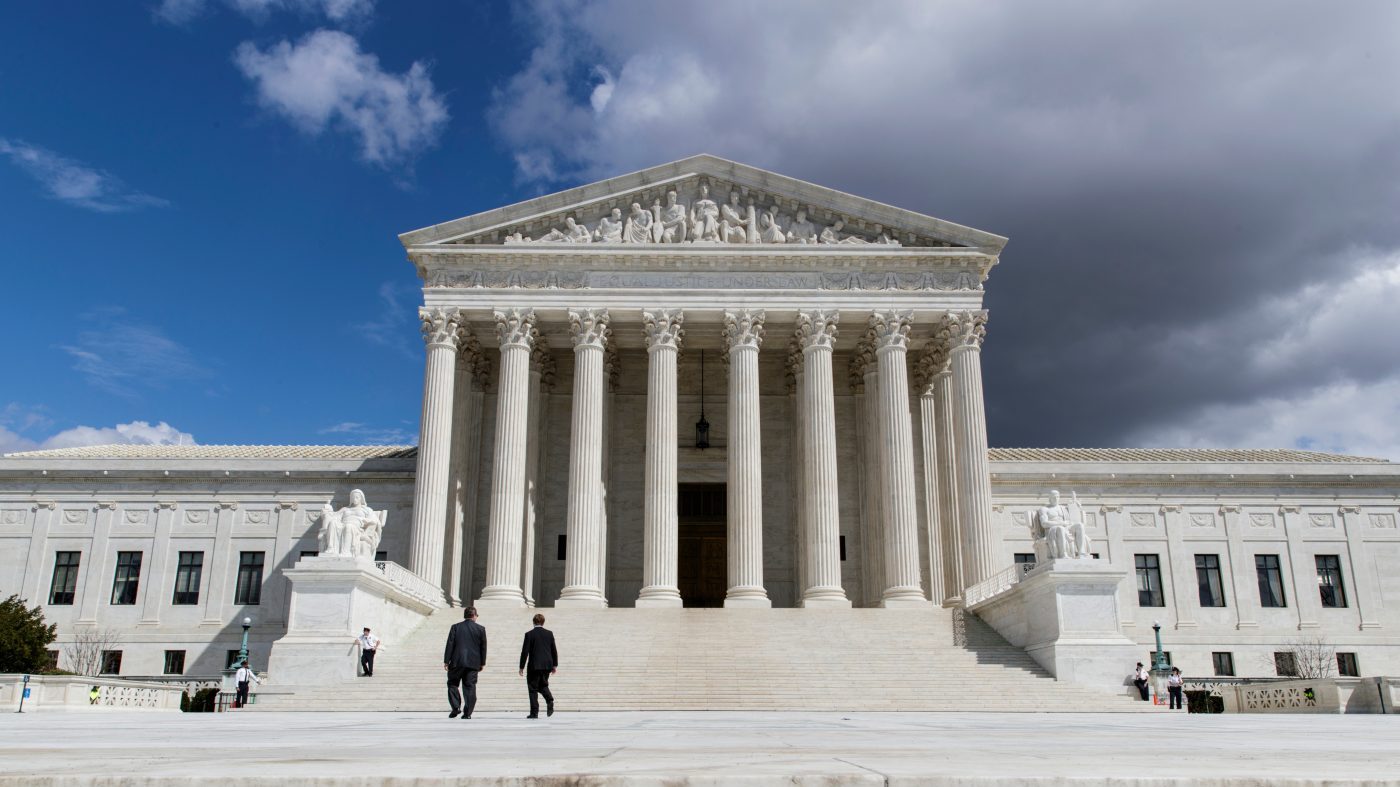
The U.S. Supreme Court has declined to intervene in the case of a former Cincinnati city councilman convicted of bribery, effectively allowing a lower court to dismiss the charges following a presidential pardon. The justices on Monday rejected Alexander "P.G." Sittenfeld's petition for a full review of his 2022 conviction, instead granting a procedural motion that sends the matter back to district court for final disposition.
Pardon Power Trumps Legal Challenge
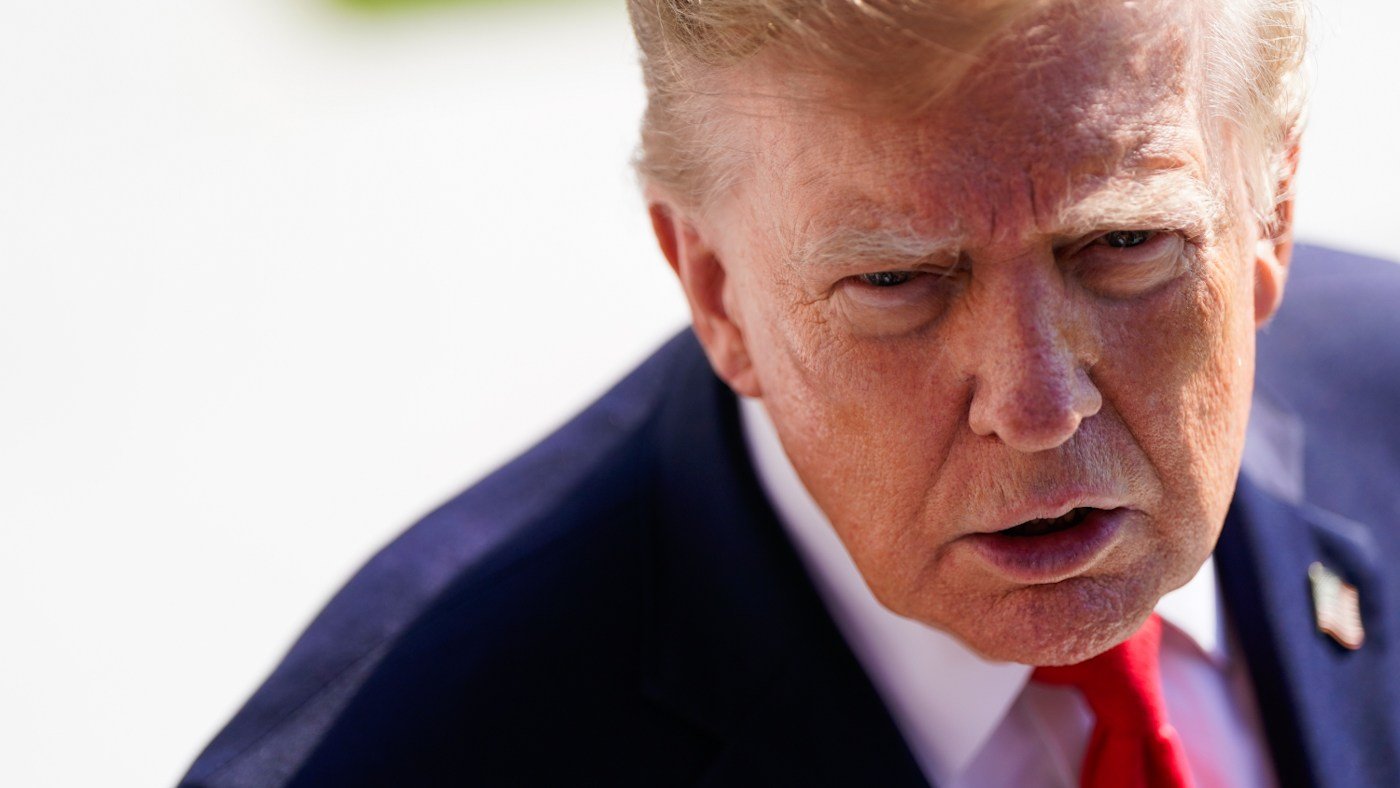
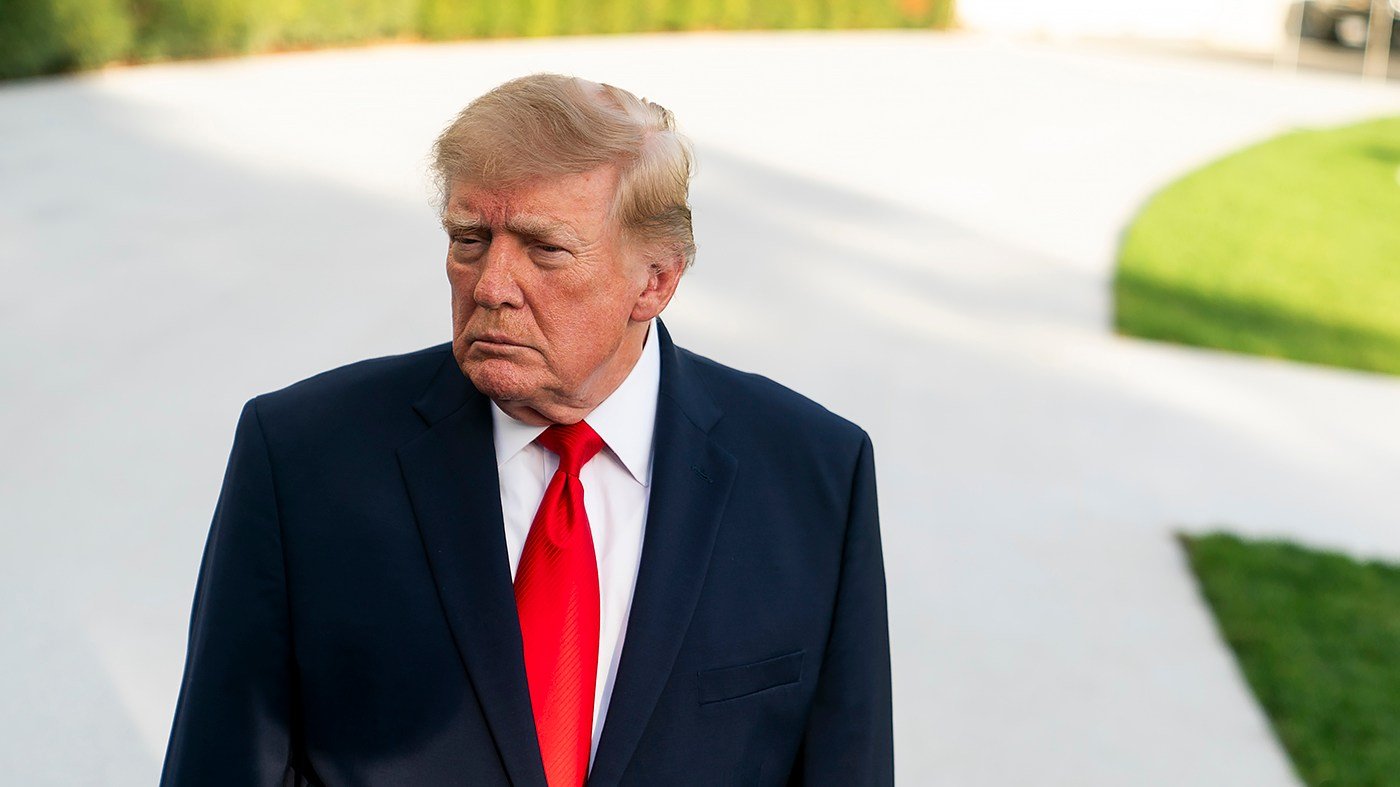
The court's action follows the Justice Department's argument that former President Donald Trump's clemency grant in May rendered Sittenfeld's appeal legally moot. Government lawyers contended the pardon eliminated any live controversy, stating that "to effectuate the pardon and avoid any doubt about its effects, the government has filed a motion in the district court to vacate the judgment and dismiss the indictment with prejudice." This position reflects the broad executive authority that has characterized Trump's approach to presidential powers throughout his administration.
Core Legal Question Unanswered
Sittenfeld's appeal had sought to establish clearer boundaries between lawful political fundraising and criminal bribery. His legal team, led by former Solicitor General Noel Francisco, argued that prosecutors need "unambiguous" evidence of a quid pro quo arrangement to secure bribery convictions involving campaign contributions. "Such campaign solicitations are the lifeblood of our representative democracy, and they lie at the heart of the First Amendment's protection," Francisco wrote in court filings. "But ambitious prosecutors can easily paint the same donations as corrupt agreements—a picture that many jurors hostile to money in politics will eagerly accept."
The case originated from Sittenfeld's 2020 indictment on charges he accepted $20,000 in donations to his political action committee from undercover FBI agents posing as advocates for a downtown development project. Prosecutors successfully argued this crossed into illegal territory, representing a quid pro quo for official actions supporting the development. Sittenfeld maintained his actions represented routine political fundraising, comparing them to candidates who pledge policy changes in exchange for constituent support.
Political Career Derailed
Before his indictment, Sittenfeld was considered a leading contender for Cincinnati mayor, representing the Democratic establishment in a city where political fortunes can shift rapidly. His conviction resulted in a 16-month prison sentence, though he served less than five months before a federal appeals court panel ordered his release pending appeal. When that same panel upheld his conviction in February by a 2-1 vote, Sittenfeld faced returning to prison unless the Supreme Court intervened—an outcome the appellate judges themselves encouraged.
Trump's pardon removed that possibility, coming as part of a broader clemency action that included 25 individuals ranging from political allies to entertainment figures. The White House pardon advisor, Alice Marie Johnson, characterized the moves at the time as representing "a story of redemption, rehabilitation, and resilience" for recipients. This exercise of clemency authority continues to spark debate about the appropriate use of presidential pardon powers in politically sensitive cases.
Broader Implications
The Supreme Court's decision to avoid the substantive questions about bribery law leaves unresolved significant questions about how courts should distinguish between ordinary political fundraising and criminal conduct. This ambiguity persists as similar cases work through the judicial system and as political figures position themselves for future elections in what many see as a changing political landscape.
Government attorneys countered Sittenfeld's concerns about collateral consequences from his conviction—including a $40,000 fine and professional limitations—by asserting these fall within the president's pardon authority. "Petitioner expresses concerns that the pardon does not return his $40,000 fine or eliminate the collateral consequences of his conviction, but those concerns rest on an unduly narrow view of the President's pardon power," Justice Department lawyers wrote. The case now returns to U.S. District Judge Douglas Cole, who presided over the original trial and is expected to formally dismiss the charges.
The resolution highlights how presidential pardons can short-circuit judicial review of significant legal questions, particularly those involving political corruption standards. As the court continues to navigate politically charged cases, including matters related to national security and executive authority, this case demonstrates how executive actions can preempt judicial clarification on contentious legal boundaries.