What depth of understanding does any new president possess regarding the grim realities of warfare and the complex intelligence apparatus that precedes it? In modern memory, perhaps only Dwight D. Eisenhower, the five-star general and Supreme Allied Commander during World War II, entered the Oval Office with an innate grasp of these burdens.
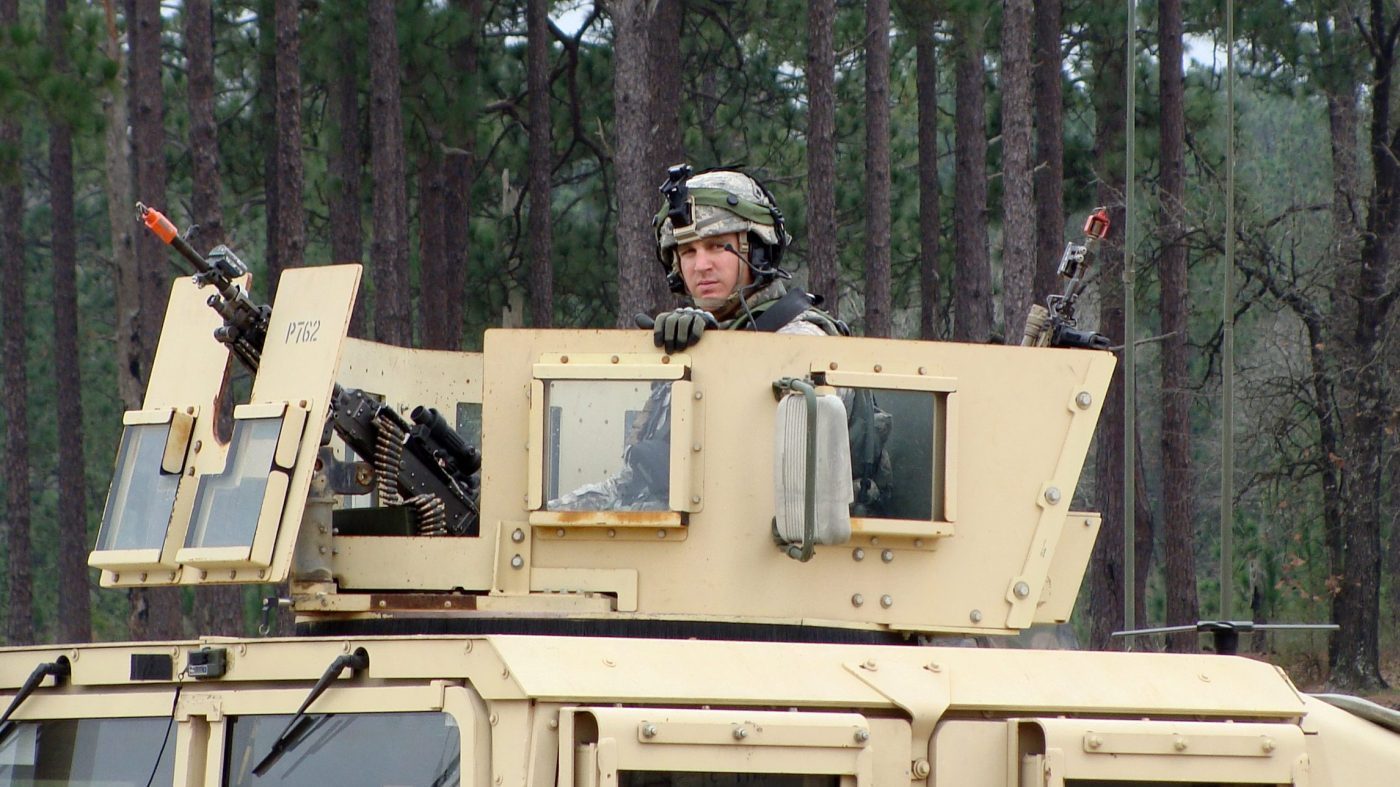
The landscape of presidential military service has shifted dramatically. Since the draft ended in 1972, few commanders-in-chief have had direct combat experience. The last president with such credentials was George H.W. Bush, whose term concluded in 1992. This absence is not inherently a deficit, but during periods of conflict, that firsthand knowledge becomes paramount. Presidents from Bill Clinton and George W. Bush to Barack Obama, Joe Biden, and Donald Trump have all depended entirely on the counsel of military and intelligence professionals when making critical "go" or "no-go" decisions.
It is in these high-stakes moments that a president requires sober, "adult in the room" analysis, not cheerleading. Historical precedent underscores this need. Before his 1981 inauguration, Ronald Reagan defied political convention by appointing James Baker, who had managed campaigns for his opponents Gerald Ford and George H.W. Bush, as White House Chief of Staff. Baker later remarked he was stunned by the choice, noting it was unlikely to ever recur in American politics. Reagan sought diverse perspectives on every major issue.
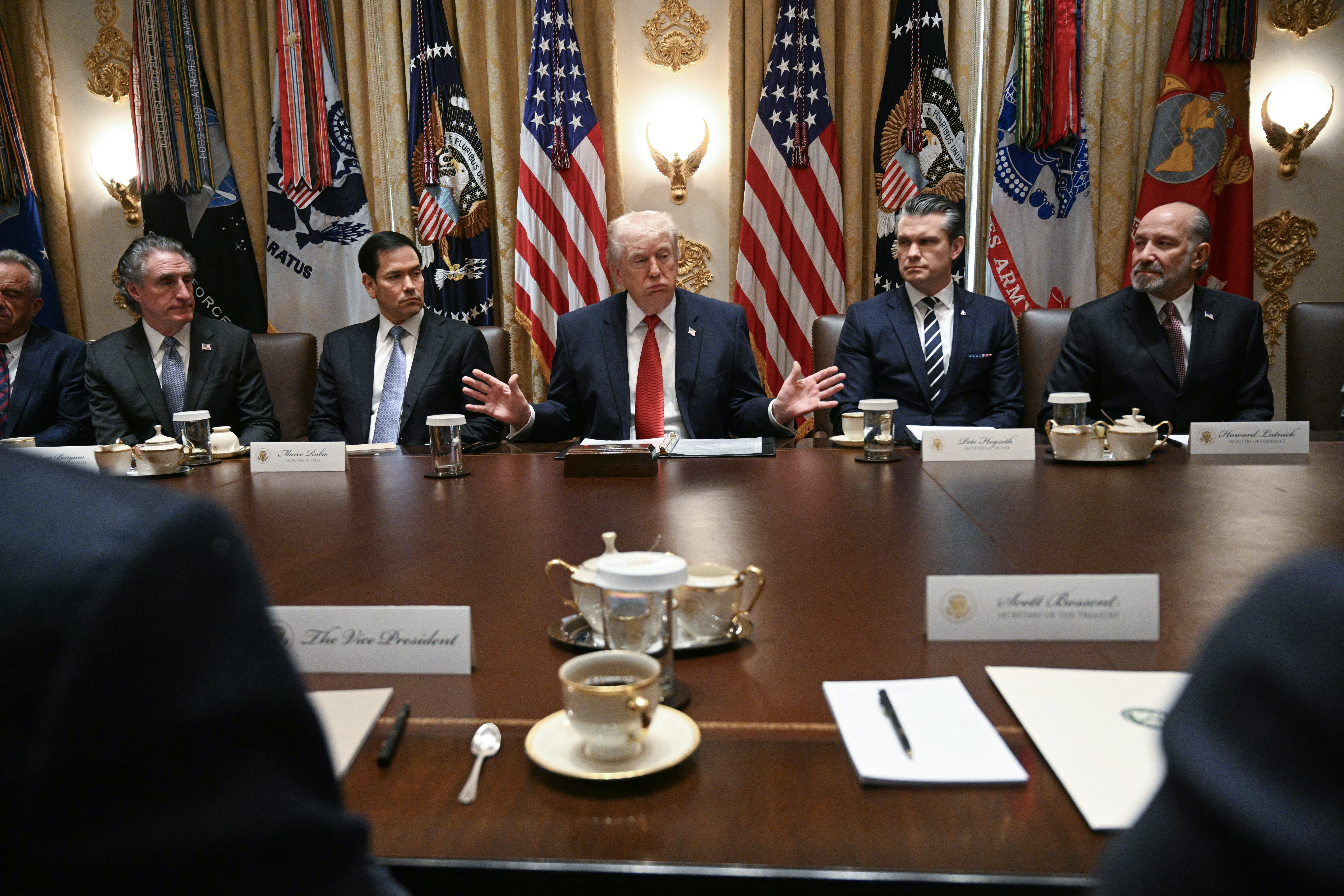
Similarly, Donald Trump has historically valued a range of opinions, a trait noted from his business career through his presidency. Vice President JD Vance recently highlighted this, stating Trump "welcomes differences of opinion" and listens to views from all quarters, whether from a staff member at Mar-a-Lago or the Secretary of State. "He recognizes that everybody has wisdom," Vance said, while also emphasizing that once a decision is made, the duty is to execute it effectively.
Trump's personal resilience and combative instincts are well-documented, forged through decades in business and amplified by political attacks and a recent assassination attempt. His immediate reaction to that violence—to rise and shout "fight"—epitomizes his temperament. This toughness, however, must be channeled with precision. Advisers must account for this reality while ensuring he receives comprehensive briefings.
The core challenge remains: a president's will to fight must be matched by access to unvarnished truth. As former heavyweight champion Mike Tyson once noted, "Everyone has a plan until they get hit for the first time." For a commander-in-chief, that "hit" could be a geopolitical crisis or a military confrontation. Trump, described as secure in his own judgment, does not require flattery from his inner circle. He requires every well-reasoned recommendation, whether optimistic or grim, especially as his administration navigates complex international pressures, from bipartisan calls for sanctions in the Balkans to managing strategic partnerships highlighted during addresses to Saudi-led investment forums.
This principle of resolute advice extends beyond defense to all facets of governance, where decisive action meets political resistance. It is evident when rebuking legislative deals on homeland security funding or when invoking emergency powers during a government shutdown. The test for any administration is ensuring that the instinct to engage is informed by the fullest possible understanding of consequences, a necessity for a president always prepared to enter the fray for the American people.