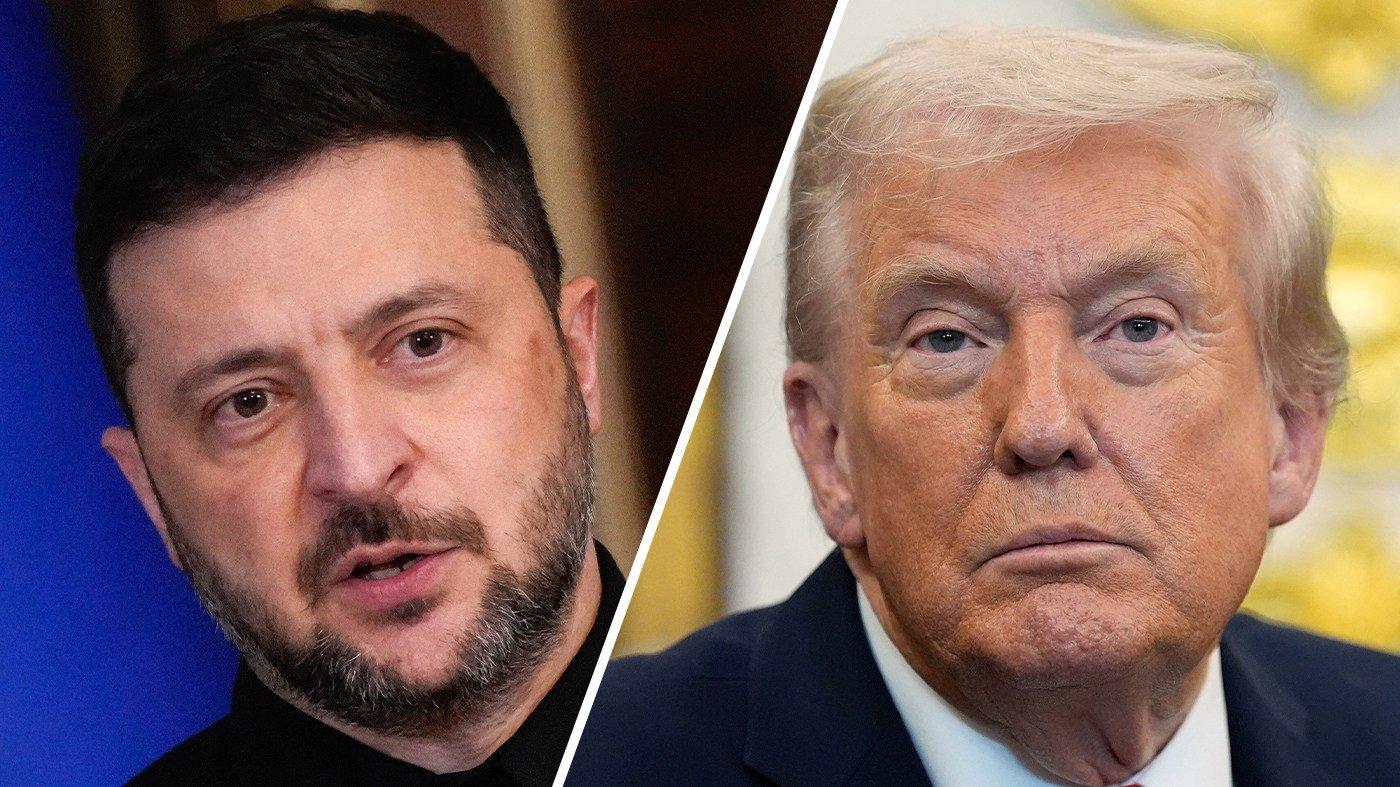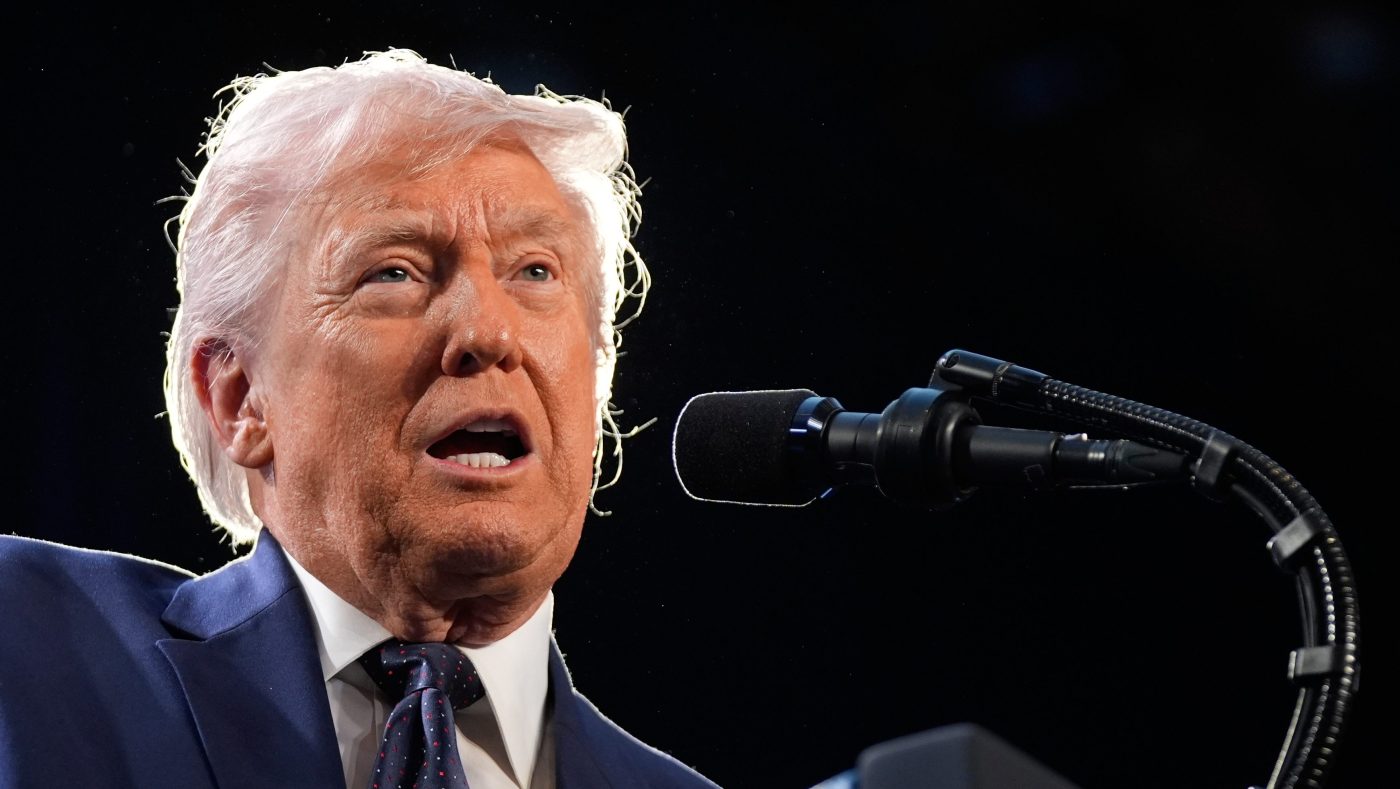
Former President Donald Trump will deliver a keynote address at the Future Investment Initiative (FII) summit in Miami on Friday evening, engaging directly with a forum orchestrated by Saudi Arabia's Public Investment Fund. The event spotlights the persistent economic and diplomatic channels between Trump's political operation and the Saudi leadership, a relationship that has defined a significant strand of his foreign policy.
Strategic Alignment with Riyadh
The FII, often dubbed "Davos in the Desert," serves as a flagship platform for Saudi Arabia's sovereign wealth fund to attract global capital for domestic social and economic transformation projects. Trump's participation signals a continued endorsement of this vision. His administration previously elevated Saudi Arabia to the status of a major non-NATO ally, cementing a strategic defense pact. This move was part of a broader effort to counter regional adversaries and secure American interests in the Middle East, a policy that has faced scrutiny from a bipartisan coalition concerned with other global alliances.
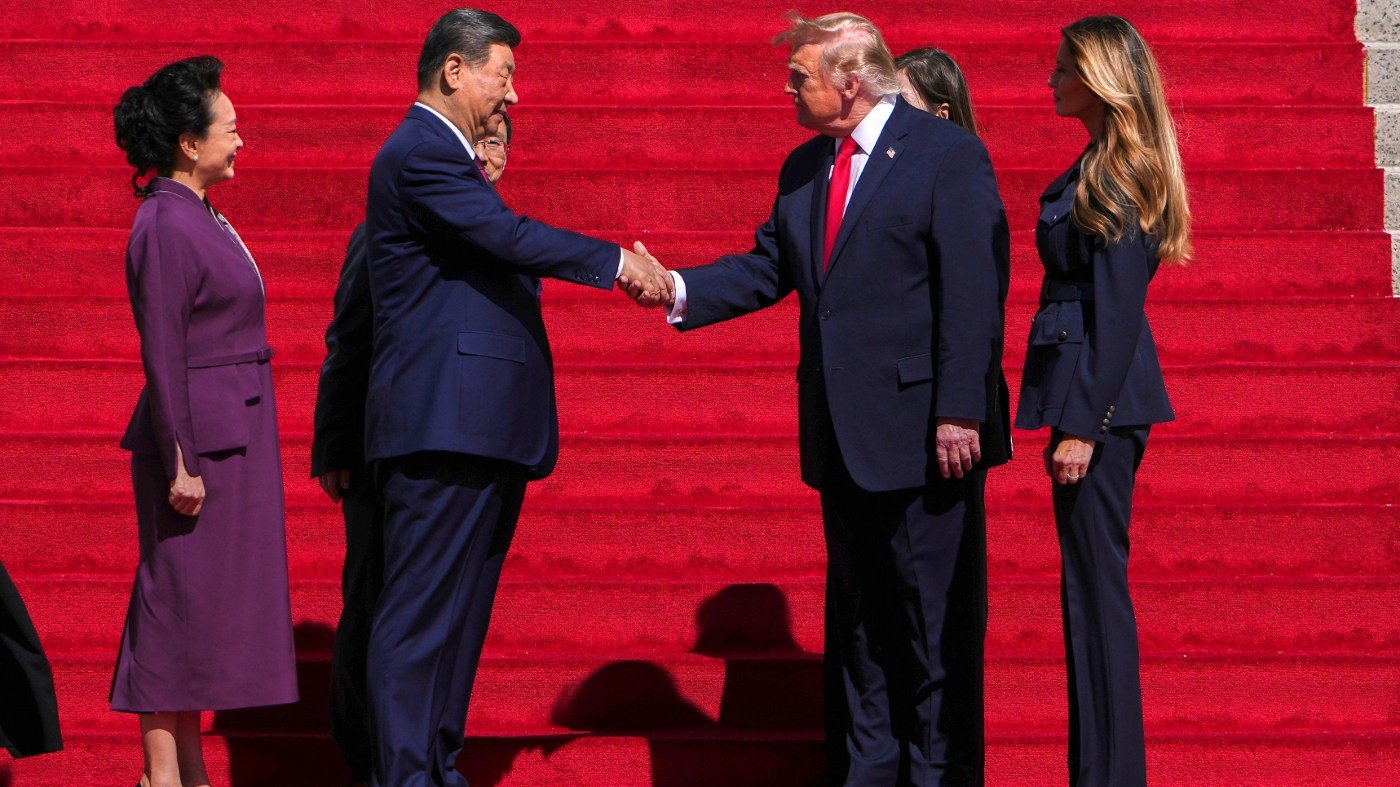
Trump has maintained a notably close rapport with Crown Prince Mohammed bin Salman since returning to the Oval Office. This relationship was visibly operationalized during a White House meeting last November, where the president approved the potential sale of advanced F-35 fighter jets to the kingdom. Such decisions are frequently framed as bolstering U.S. manufacturing and jobs, aligning with the "America First" doctrine that seeks to leverage foreign policy for domestic economic gain.
Economic Context and Domestic Pressures
The forum occurs against a complex domestic economic backdrop. Recently, the Supreme Court invalidated the core of the administration's emergency tariff program, a setback for a policy the White House argued was vital for revitalizing U.S. manufacturing. In response, the administration has increasingly emphasized attracting foreign investment as a complementary pillar of economic strategy. This focus on investment dovetails with other efforts to shore up political support, such as the push for historic ethanol blending levels to appeal to rural voters and anticipated farm sector relief measures.
Trump's appearance at the FII underscores a political calculus that prioritizes direct engagement with international financiers and sovereign funds. This approach often bypasses traditional diplomatic and media filters, a tactic also seen in the deployment of an official mobile app to communicate directly with his base. The Miami event provides a platform to articulate an economic vision that merges nationalist rhetoric with global capital flows.
However, the administration's Middle East strategy, particularly concerning Saudi Arabia, is not without its critics. Some lawmakers have expressed concerns about the coherence of U.S. policy in the region, especially regarding Iran. Figures like Rep. Jason Crow have publicly criticized the administration for a vague Iran strategy that risks escalation. The Saudi partnership, while economically motivated, is inextricably linked to these broader and contentious regional security dynamics.
The decision to speak at the summit also reflects the ongoing integration of Trump-aligned figures into formal and advisory roles within the government's economic and tech spheres. Notably, David Sacks recently transitioned from a focus on AI and crypto to a senior advisory post in the Trump administration, indicating a blending of Silicon Valley-oriented investment perspectives with federal policy.
As the 2024 election cycle intensifies, events like the FII address allow Trump to project executive stature and reinforce his relationships with key international partners. The speech is scheduled to begin at 5:30 p.m. Eastern Time and will be broadcast live, offering supporters and critics alike a view into the former president's current policy priorities and his vision for America's role in the global economy.