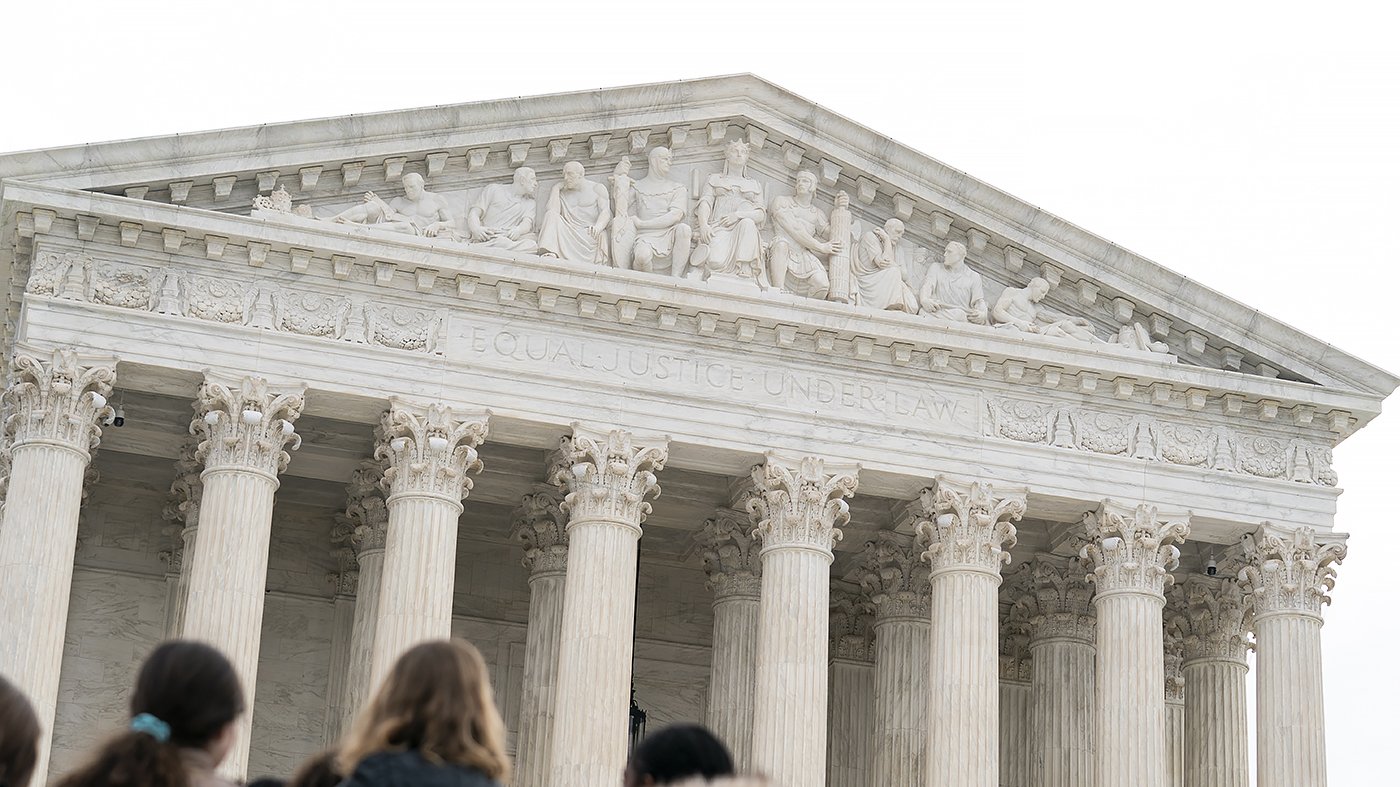
The U.S. Supreme Court on Monday declined to review the scope of the state-secrets privilege, a powerful legal tool that allows the government to withhold sensitive information from court proceedings on national security grounds. The justices vacated a lower court ruling that had established a stricter standard for invoking the privilege and sent the underlying case back for reconsideration.
Case Background and Legal Twist
The case originated from a challenge brought by three Muslim men who alleged they were subjected to surveillance by the FBI because of their religion. The government had initially petitioned the high court to review a decision by the U.S. Court of Appeals for the 9th Circuit. That ruling held that dismissals under the state-secrets privilege are only warranted if the government can first demonstrate that the privileged evidence "clearly shows" a valid defense that would require judges to rule in its favor.
However, in a procedural turn, the government later suggested the Court could remand the case after a "significant intervening event" undermined the plaintiffs' claims. The Justice Department argued that Craig Monteilh, the source of the challengers' "core allegations," had recanted his testimony. The challengers countered that the recantation was unsworn and insufficient to warrant sending the case back, arguing the lower court's standard merely barred dismissal based on speculation.
High-Stakes Legal Arguments
Solicitor General D. John Sauer had urged the justices to overturn the 9th Circuit's ruling, calling it a "deeply flawed decision." He warned it "poses a serious risk of depriving the government of a vital tool to prevent the disclosure of state secrets by demanding that the government affirmatively use privileged information to adjudicate the merits of claims."
Attorneys for the challengers argued the appellate decision "creates no risk that secret information will be disclosed without an opportunity for the government to object and appeal." The privilege remains a contentious instrument, often invoked in major national security cases. For instance, the Trump administration has used it in deportation cases involving the Alien Enemies Act.
Broader Context and Precedent
This dispute follows a 2022 Supreme Court ruling which unanimously held that the Foreign Intelligence Surveillance Act (FISA) does not displace the state-secrets privilege. Despite that precedent, the 9th Circuit later reversed a district court's dismissal of the surveillance claims in this specific case, setting up the current conflict.
The state-secrets privilege has far-reaching implications, potentially affecting numerous legal challenges where national security is cited. Its application often intersects with other major political and legal battles, such as those concerning government access to sensitive data or the parameters of executive authority. The Court's decision to remand rather than rule leaves the legal standard in flux, ensuring the privilege will remain a focal point for litigation, particularly as future administrations navigate complex security and civil liberties questions.
The case now returns to the lower court, which must reconsider the matter in light of the witness recantation. The outcome could influence how aggressively future administrations, regardless of party, employ the privilege to shield information. This legal maneuvering occurs against a backdrop of intense scrutiny over government surveillance powers and their limits, a debate that continues to evolve in both the judicial and political arenas.