Senate Republicans are on the verge of a bipartisan agreement that would keep the government funded into December while also reining in a disputed White House budget office rule that would hand Trump appointees sweeping authority to withhold congressional appropriations, according to senators involved in the talks.
The emerging deal, which would fund agencies through Dec. 4, is seen as a way to avoid another politically damaging shutdown ahead of the November elections. But any move to curb President Trump's ability to block grants to programs he deems “woke” could trigger White House opposition and upend the fragile compromise.
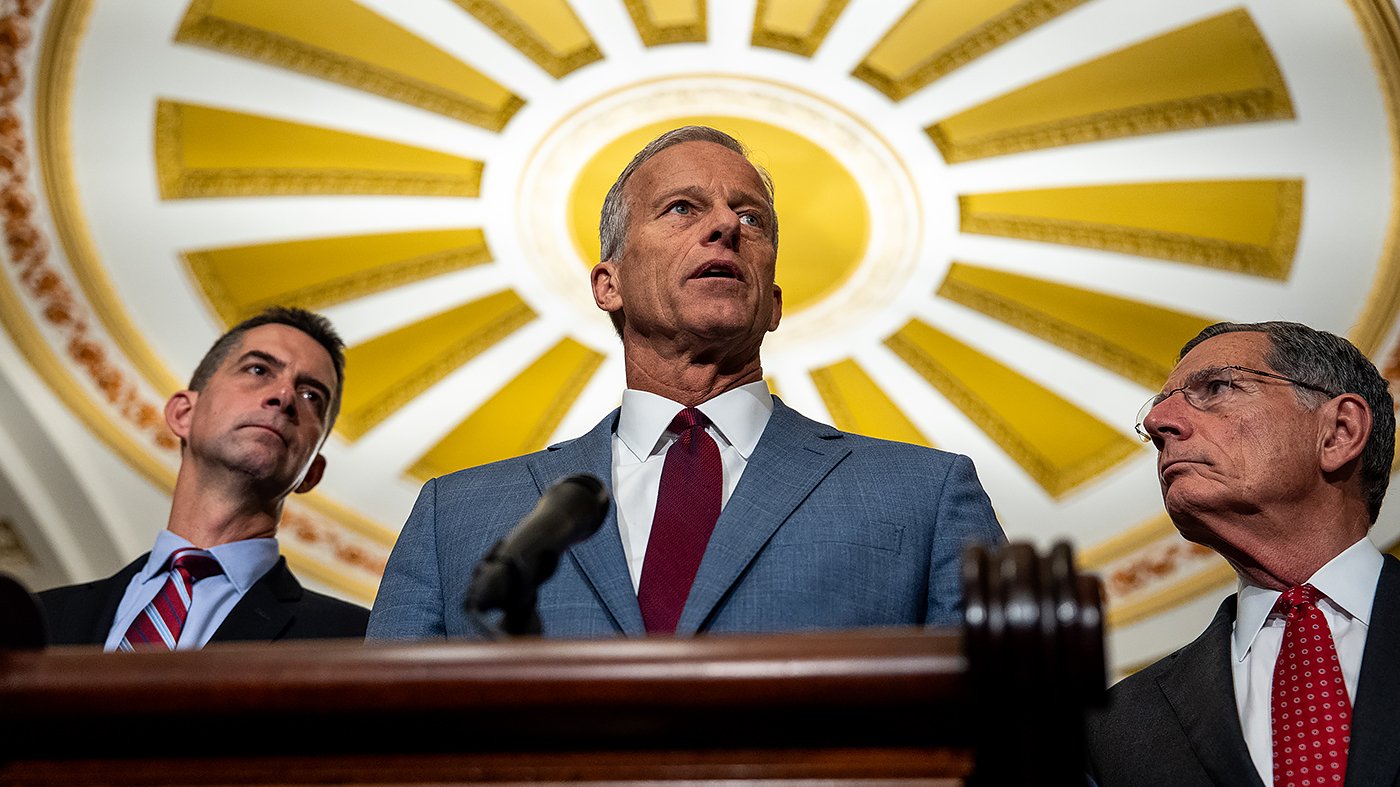
Senate Majority Leader John Thune (R-S.D.) said Thursday that he expects the chamber to vote on a continuing resolution (CR) next week, before the August recess. “There are a handful of issues still under consideration, but we filed on it today and we're hoping to vote next week,” Thune said, adding that he hopes both sides can resolve the remaining sticking points so the government stays open.
The fight centers on a proposed rule from the Office of Management and Budget (OMB) that would let political appointees override career staff and peer review in deciding which congressionally appropriated grants get funded. Critics, including Senate Appropriations Committee Chair Susan Collins (R-Maine), argue the rule would gut Congress's power of the purse and harm rural communities, scientific research, and clinical trials.
Collins, who faces a tough reelection in Maine, has been leading the GOP effort to block or delay the rule. “I certainly think the rule is deeply flawed,” she said, noting she wrote the first Senate letter opposing it. Earlier this month, she urged OMB Director Russ Vought to withdraw parts of the plan, warning it would allow agencies to terminate grants at any time and “conflict with Congress's control over the federal funding process.”
Democrats are also pressing for language in the CR to restrict the rule. Sen. Patty Murray (D-Wash.), the Appropriations Committee's vice chair, said negotiations are ongoing. “We're talking about a resolution to that,” she said, adding that Democrats are ready to fund the government into December if the CR includes curbs on Vought's overhaul. Murray and other Democrats, including Sens. Gary Peters and Jeff Merkley, have demanded the rule be rescinded, warning it would “empower political appointees to decide which grants do and do not get funded” and ignore expert review.
Republican Sen. Lisa Murkowski (Alaska) voiced strong opposition, saying the rule has united nonprofits, tribal organizations, and communities against it. “There was no consultation at all,” she said, adding that she is drafting a letter to Vought. “When you start issuing grants based on political connections, that's not a good system.”
The OMB did not respond to a request for comment. Trump allies warn that adding provisions to block the rule could sink the funding deal, making it harder to pass before the recess. Some Republicans, however, see the CR as a chance to reassert congressional authority over spending, particularly after last year's battles over DOGE cuts and recissions.
If the deal holds, it would remove the threat of a shutdown this fall and delay any budget reconciliation package until after the election, a tacit trade-off some Democrats are banking on. The political stakes are high, as Senate races in key states hinge on how voters perceive the GOP's handling of government funding.