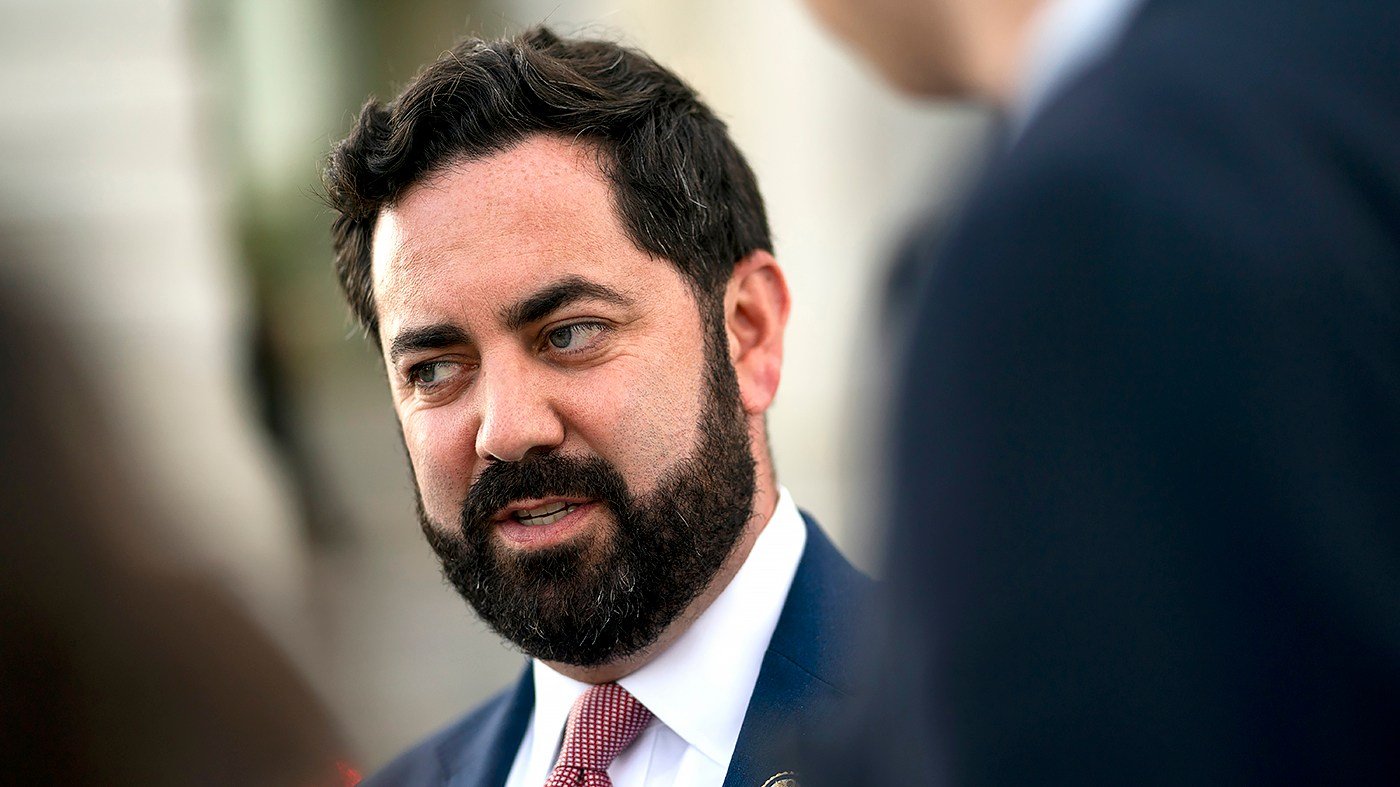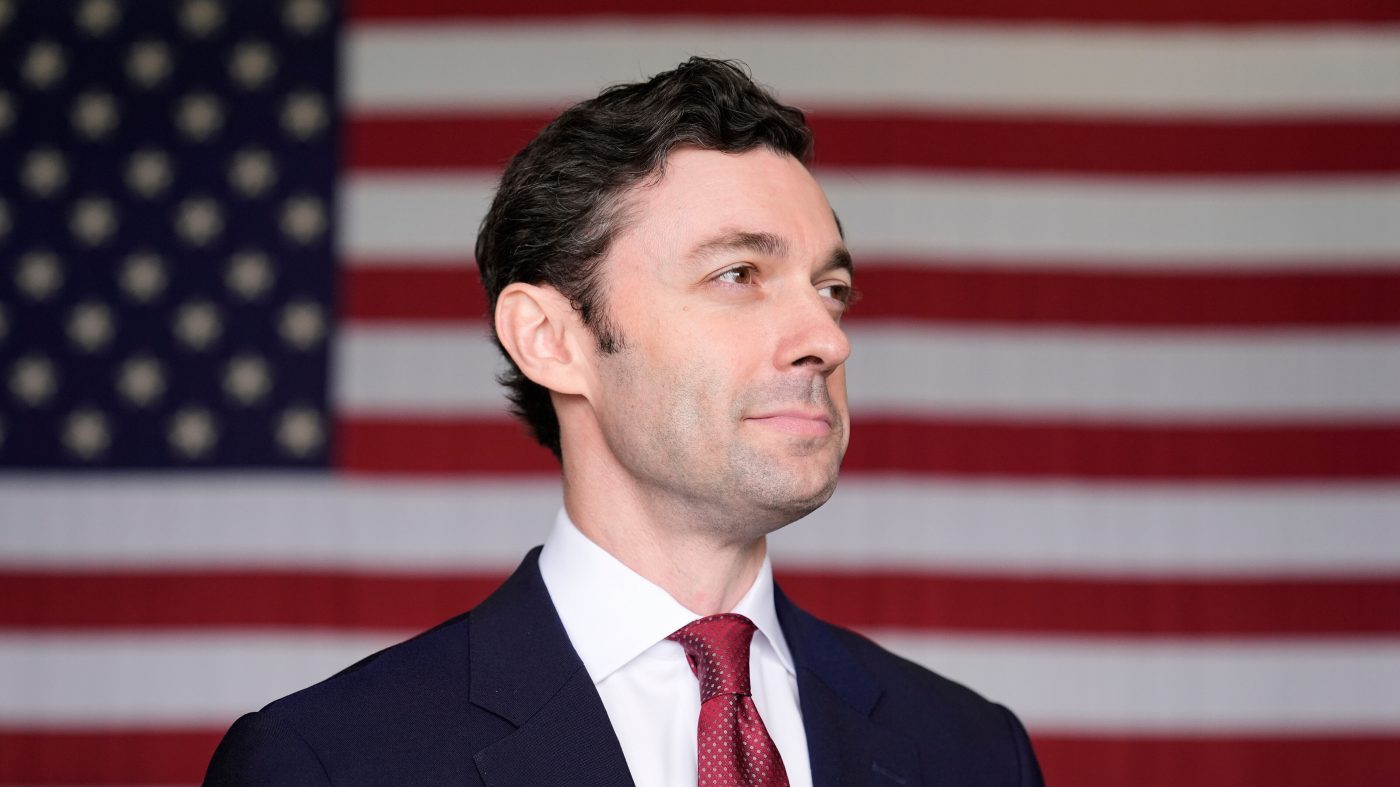
The University of Virginia Center for Politics' Sabato's Crystal Ball has upgraded its forecast for Senator Jon Ossoff's reelection campaign in Georgia from "leans Democratic" to "likely Democratic," reflecting a significant shift in the race's dynamics. The move comes as Ossoff, the only Senate Democrat up for reelection in a state won by President Trump in 2024, has built a formidable financial advantage over his Republican challenger, Representative Mike Collins.
Fundraising Dominance Reshapes Georgia Contest
According to the updated analysis, Ossoff raised over $20 million in the second quarter of 2026 and has $42 million cash on hand. In contrast, Collins raised just over $2 million in the same period and holds roughly the same amount. Sabato's Crystal Ball managing editor Kyle Kondik noted that while outside spending could narrow the gap, Ossoff has proven to be one of the strongest fundraisers this cycle. The report warns that a loss for Ossoff would be "a true shock," though it acknowledges the race could be decided by a mid-single-digit margin.
The Georgia seat is a key pickup opportunity for Republicans as they defend their Senate majority. Ossoff's strong financial position and the state's shifting demographics have made this a closely watched contest, especially given Trump's narrow victory there in 2024.
Five House Races Shift to Toss-Up
In addition to the Senate update, Sabato's Crystal Ball moved five House races from "leans Republican" to "toss-up." These include districts represented by Representatives Kathy Castor (D-FL), Don Davis (D-NC), Chuck Edwards (R-NC), Mike Lawler (R-NY), and Rob Bresnahan (R-PA). The changes reflect a broader trend of increasing competitiveness in the 2026 midterms, where Democrats are benefiting from a favorable national environment but face challenges in converting some Trump disapprovers into Democratic voters.
The handicapper noted that while Democrats hold an average 5-6 point lead in the generic House ballot, they lack the robust advantage seen in the 2018 midterms. Poor Democratic candidates could cost the party seats, while Republicans may benefit from coordinated campaign efforts and a potential influx of cash from Trump's MAGA Inc. Super PAC, which holds a $400 million warchest. However, how that money will be deployed remains uncertain.
Kondik's analysis also highlighted that Democratic gains might be unevenly distributed, with the party winning back support from nonwhite voters in blue districts but making less progress in the swing seats that determine the majority. "So the door is not closed on Republicans holding the majority even as Democrats are better-positioned thanks to the overall political environment and broader midterm trends," the report states.
These developments come as Trump's Canada tariffs give Democrats a new attack line in Michigan races, further energizing Democratic efforts in key battlegrounds. Meanwhile, Obama leads NDRC fundraiser as Democrats fight GOP gerrymandering, underscoring the party's strategic push to reclaim competitive districts.
As the 2026 midterm cycle heats up, the shifting ratings from Sabato's Crystal Ball signal that both parties face uncertain paths to control of Congress. With Ossoff's race now looking more secure for Democrats, the focus turns to the House, where the battle for the majority is tightening.