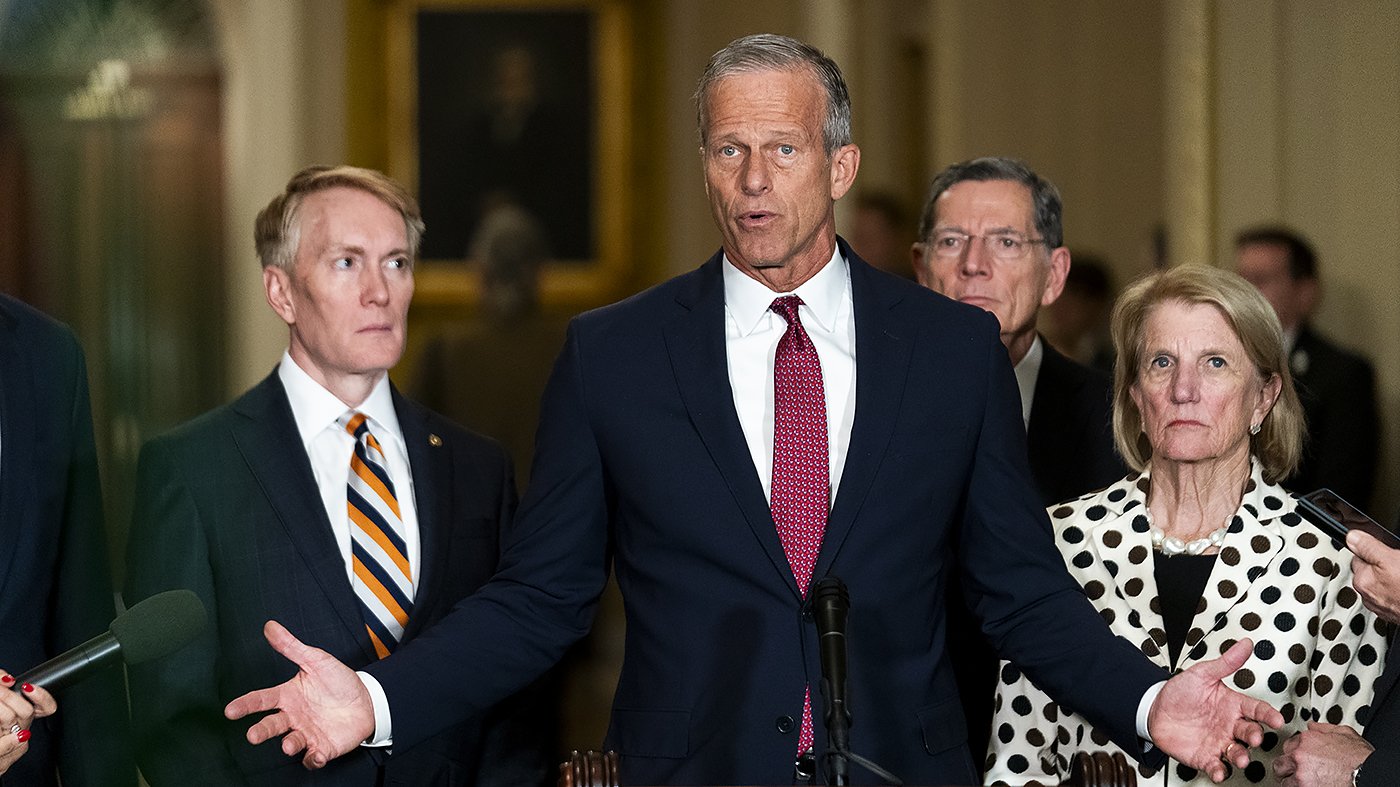
Senate Republican leadership is preparing to force a vote on a budget resolution as early as next week, a procedural maneuver designed to secure multi-year funding for immigration enforcement agencies while circumventing Democratic opposition. Senate Majority Leader John Thune (R-S.D.) told reporters Tuesday that the move would set the stage for using the budget reconciliation process, which allows certain fiscal legislation to pass with a simple majority, thereby avoiding a Democratic filibuster.
Procedural Path to Funding
Thune stated that by passing a budget resolution that is also agreed to by the House, Republicans will unlock the ability to pass a subsequent reconciliation bill dedicated to funding Immigration and Customs Enforcement (ICE) and Border Patrol for several years. This strategy would not require any Democratic support in the closely divided Senate. “Republicans are going to stand with our border patrol, with our law enforcement agencies and we’re going to ensure that they are funded not only today but well into the future,” Thune said following a GOP lunch meeting.
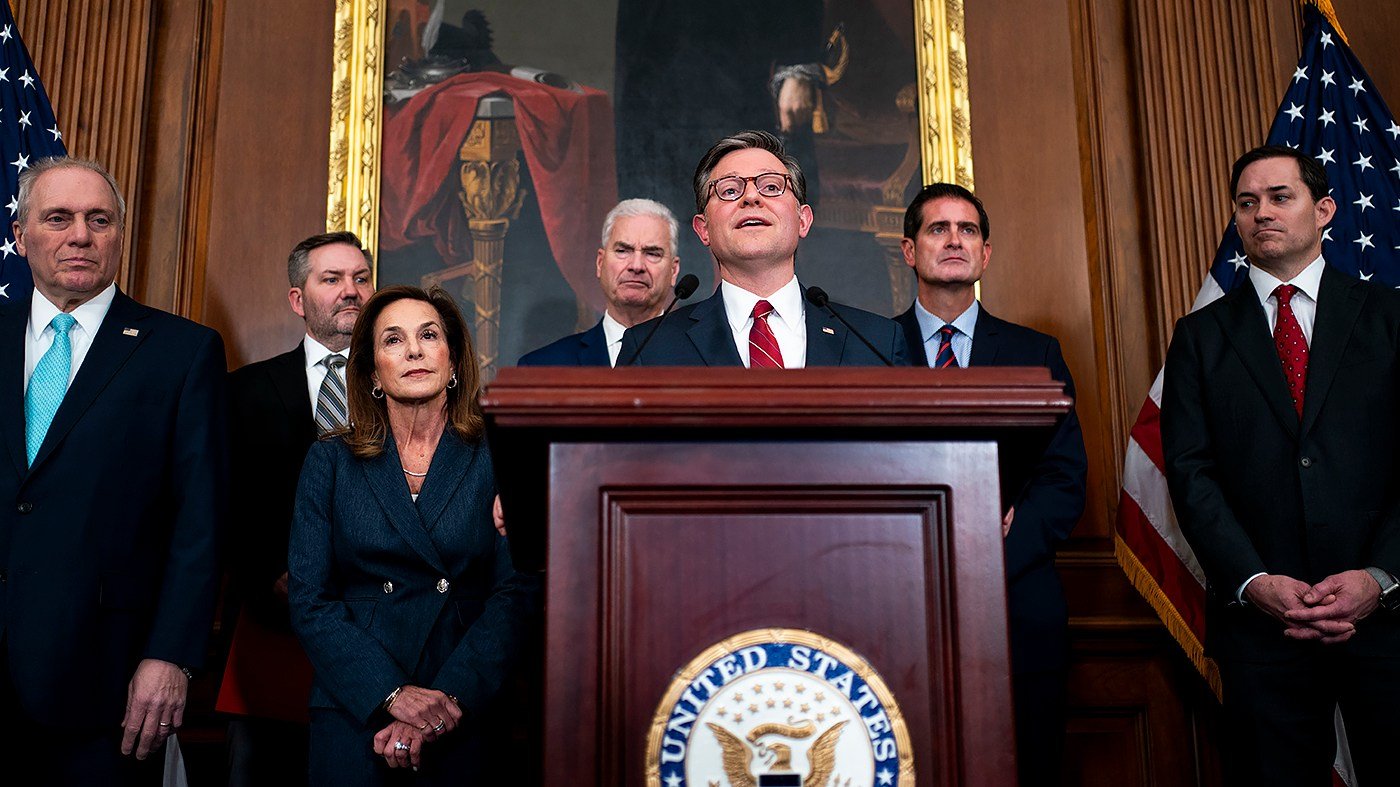
He indicated that the budget resolution, being prepared by Senate Budget Committee Chairman Lindsey Graham (R-S.C.), would be brought to the floor imminently. “The budget resolution Sen. Graham is preparing we will have on the floor hopefully as early as next week … will provide multiple years of funding for these agencies — and a reconciliation bill, which will follow shortly after, will ensure that job gets done,” Thune added. Graham will manage the floor debate and amendment process.
Vote-a-Rama and Narrow Focus
A Republican senator briefed on the plans said the chamber is expecting an all-night “vote-a-rama” on amendments next Thursday. This marathon voting session is a standard, if grueling, feature of the budget reconciliation process. Thune emphasized that the resolution would be narrowly targeted to fund only ICE and Border Patrol, two agencies that have become central points of contention in broader government funding debates.
The push comes after Democrats have repeatedly refused to fund these agencies through the regular appropriations process without significant policy concessions. Democratic demands have included requiring judicial warrants for federal agents to enter private homes and banning officers from wearing masks during certain operations. This standoff has left the agencies reliant on short-term funding measures, creating what Republicans describe as operational uncertainty.
Historical Precedent and Political Context
Senate Republicans have successfully used the reconciliation process in recent years to advance major fiscal priorities without bipartisan support. Most notably, the tool was used to pass the 2017 tax cuts and to direct hundreds of billions of dollars to the Defense Department for weapons procurement and to the Department of Homeland Security for border security and immigration enforcement. This move signals a return to that playbook, focusing on a core political issue for the GOP base ahead of the election.
The maneuver occurs amid broader political tensions, including mounting pressure on Republican leadership over its strategic posture, and contrasts with other fiscal battles, such as the withholding of funds for climate research at NOAA. It also highlights the deep partisan divide over immigration policy and executive authority, a theme echoed in other conflicts like when House Republicans blocked a Democratic effort to curtail presidential war powers.
For Democrats, the Republican tactic presents a challenge. It forces them into a politically difficult position of opposing a standalone funding bill for federal law enforcement agencies, even as they seek substantive policy reforms. This dynamic is part of the larger struggle where Democratic leadership balances base pressure with political reality on a range of issues.
If successful, the process would lock in funding for ICE and Border Patrol for multiple fiscal years, insulating the agencies from annual appropriation fights and ensuring a steady flow of resources regardless of which party controls Congress or the White House in the near term. The upcoming week's votes will serve as the first major test of Republican unity and strategy on this high-priority issue.