The Senate's annual appropriations process has ground to a halt, with lawmakers expressing little hope for a breakthrough as a deeply partisan chamber grapples with the perennial tug-of-war between defense spending and domestic priorities. The Appropriations Committee has canceled markups for the second consecutive week, underscoring the impasse.
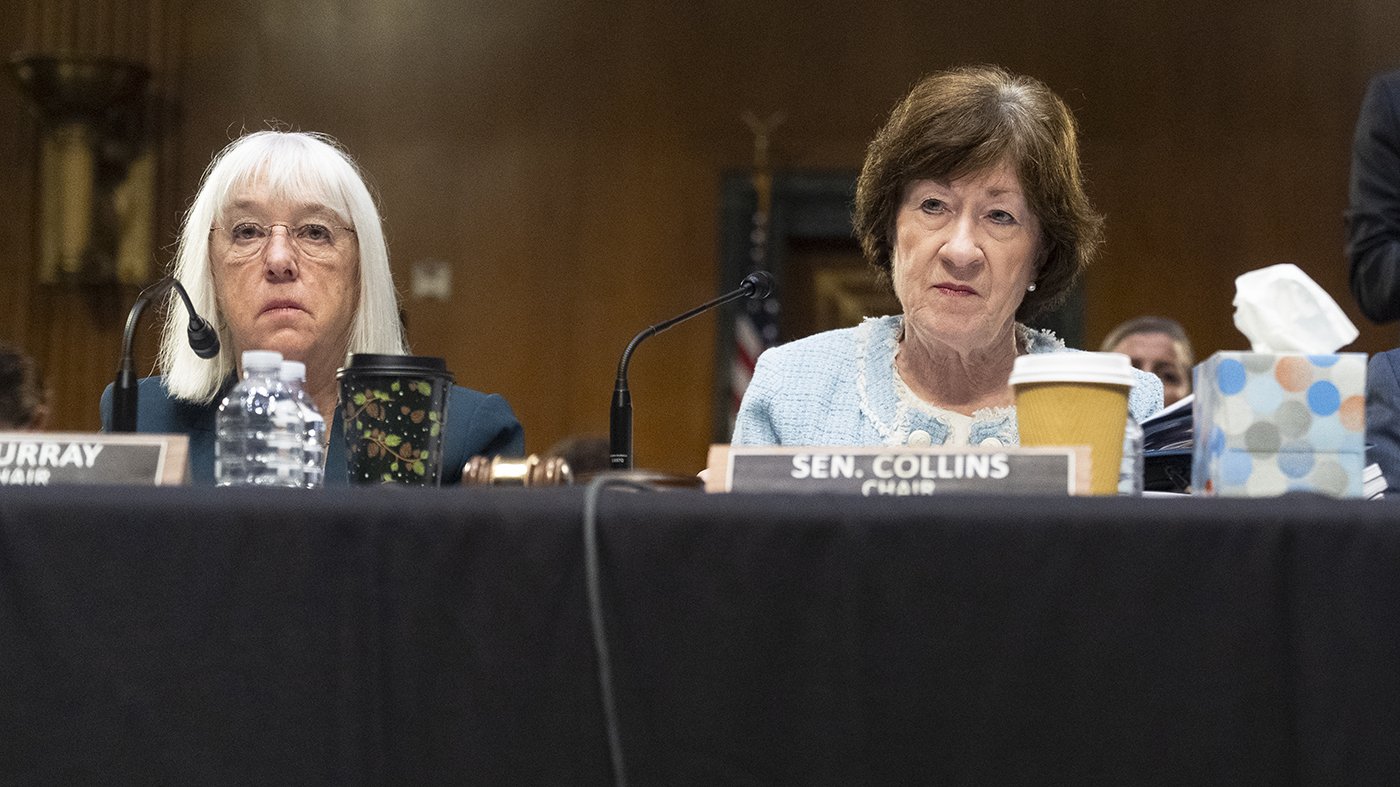
Committee Chair Susan Collins (R-Maine) and Vice Chair Patty Murray (D-Wash.) both acknowledge they are deadlocked over the top-line spending figure for fiscal 2027. Collins told reporters Wednesday that she has sent Murray three offers, but accused the Washington Democrat of failing to provide "realistic counters." Murray countered that she had not received a response to her latest proposal and described the GOP offers as "lopsided," heavily favoring defense over nondefense programs.

The standoff is unfolding against the backdrop of the upcoming midterm elections, which typically slow legislative progress but are also heightening pressure on both parties to avoid concessions. "It's difficult to get people to work with each other right now," said Sen. John Boozman (R-Ark.). "I don't think that any of the Democrats are prepared to vote for the bills even though they helped craft them."
Democrats insist they need clarity from Republican leaders and the White House on overall funding levels before moving forward. "Moving ahead without a top line, without a rough agreement about how much we're going to do for domestic priorities like roads and bridges, schools, and healthcare, scientific research makes no sense to me," said Sen. Chris Coons (D-Del.). Coons pointed to the ongoing conflict in Iran as a complicating factor, noting that the administration has used the war to justify increased defense spending but has provided little detail on the costs. "That's like pulling teeth, to get updates," he said.
Republicans, meanwhile, are eager to advance bills to avoid a government shutdown, but Democrats are holding firm. Sen. Brian Schatz (D-Hawaii) said, "When you go to the general public, they will be super alarmed that we're going to not authorize this war, not even have a core debate about this war, and then fund it."
The partisan divide echoes broader tensions over the nation's fiscal priorities. Republicans have long championed robust defense spending, while Democrats push for investments in infrastructure, education, and healthcare. With razor-thin majorities in both chambers, the appetite for compromise is low. "What we would like is if we can, like we did last year, settle our differences in committee to come out with a united front, because it's hard enough to pass them on the floor anyway," said Sen. Shelley Moore Capito (R-W.Va.).
The failure to reach a deal threatens to repeat the chaotic funding cycles of recent years, including the record-breaking shutdowns and the delayed completion of fiscal 2026 appropriations well into the spring. Sen. Mike Rounds (R-S.D.) warned, "We're going to run out of time again. That's not healthy for the American public."
As the clock ticks, the path forward remains unclear. The dispute over Iran war costs has further complicated negotiations, with GOP lawmakers demanding clarity on the price tag before signing off on new funding. Meanwhile, Collins and McConnell have cast doubt on a third reconciliation bill, threatening additional defense funding plans. With the midterms looming, both parties are digging in, leaving the government's funding future in limbo.