
President Trump's escalating threats to bomb Iranian infrastructure, including bridges and power plants, risk a humanitarian catastrophe and could backfire, according to historical precedent and military experts. The administration's shift from targeting military sites to civilian-supporting infrastructure mirrors patterns seen in conflicts from Vietnam to Ukraine, where such tactics often fail to compel surrender.
Modern wars frequently begin with attacks on military targets but can devolve into the deliberate destruction of infrastructure that sustains civilian life. The U.S. and Israel initially struck Iran's leadership, nuclear facilities, and air defenses. In recent weeks, however, they have targeted bridges, railroads, ports, and energy systems—a widening of the target list that experts warn could deepen the conflict.
History shows that political leaders often promise short campaigns, but when initial strikes fall short, they double down on imposing economic costs and civilian hardship. Yet, as Robert Pape and other air-power scholars have demonstrated, bombing alone rarely forces capitulation. Instead, attacks that cause widespread civilian suffering can strengthen national resolve, as seen in Britain's Blitz, North Vietnam's endurance under Rolling Thunder, and Ukraine's resilience against Russian strikes on its power grid.
During the 1991 Gulf War, coalition forces bombed Iraq's electrical grid, bridges, and oil facilities, crippling food systems, hospitals, and water treatment. But it took a ground invasion to push Iraq out of Kuwait. Similarly, NATO's 1999 Kosovo campaign initially targeted military assets, then expanded to government ministries, the electrical grid, and bridges. While the International Criminal Tribunal for the Former Yugoslavia found no deliberate targeting of civilians, it noted serious errors and legal gray areas.
Russia's invasion of Ukraine followed a similar trajectory. After battlefield setbacks, Moscow expanded attacks on civilian infrastructure to deny Ukraine industrial capacity and destroy morale. Yet Ukraine remains defiant, and the International Criminal Court has issued arrest warrants for President Vladimir Putin and top officials on war crimes charges.
Under international law, states may not intentionally target civilians or civilian infrastructure. But so-called 'dual-use' targets—like a railroad that carries both passengers and soldiers, or a power station serving hospitals and radar installations—can be lawfully attacked only if their destruction offers a definite military advantage and the expected civilian harm is not excessive. As wars drag on, governments often adopt increasingly expansive interpretations of what qualifies as a military objective.
Trump has broken with predecessors by threatening apocalyptic strikes that, if carried out, would plainly constitute war crimes. After launching strikes against Iran last February, he insisted the war would end in four to five weeks. On Easter Sunday, he warned he was prepared to destroy Iran's power plants and bridges. Days later, he declared 'a whole civilization will die tonight' and threatened to bomb Iran 'back to the Stone Ages.'
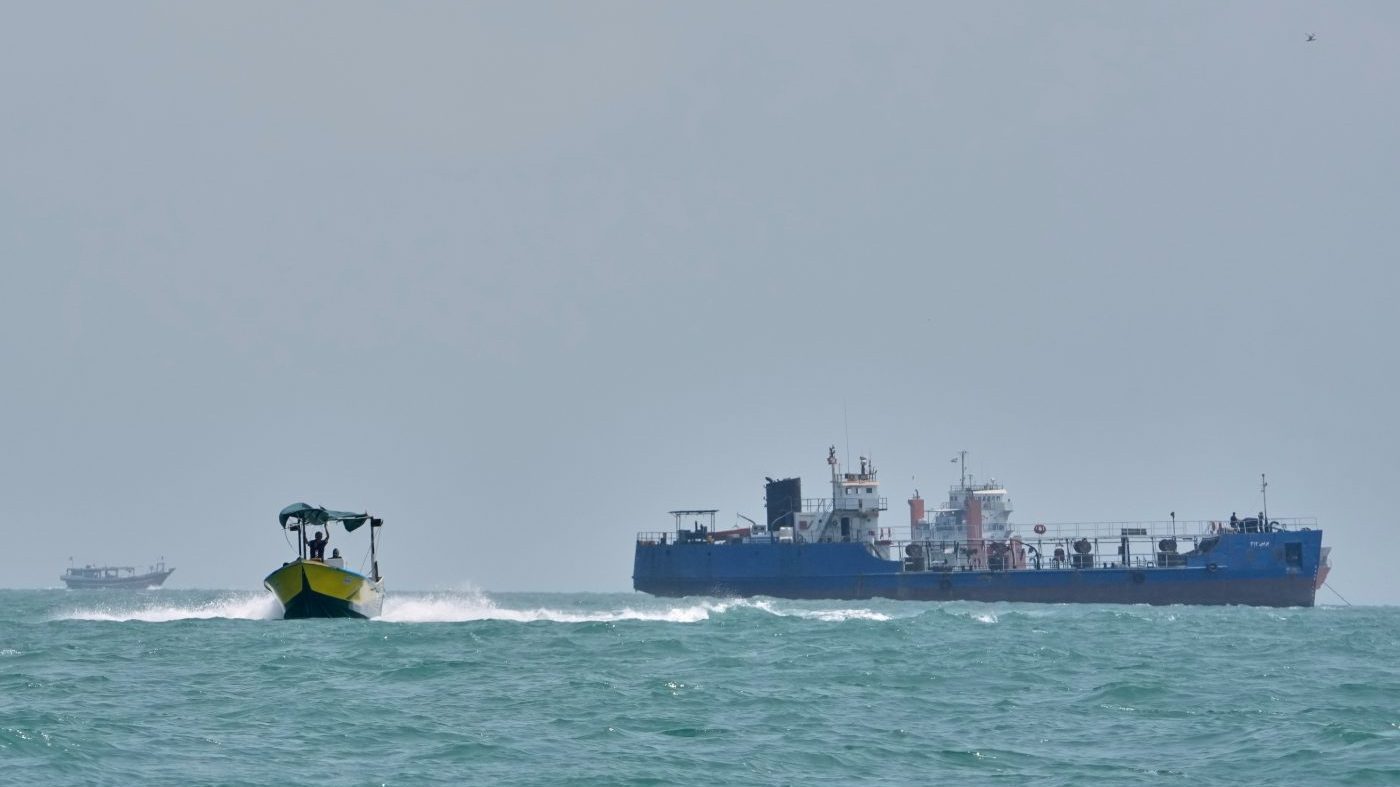
This week, Trump threatened to bomb one bridge or power plant for every Iranian attack on ships in the Strait of Hormuz, including those in or near Tehran. The Pentagon insists it is targeting military objectives but refuses to release detailed target lists. Meanwhile, growing unease among Trump's base and economic fears over tariffs could complicate the administration's strategy.
As tensions escalate, U.S. policymakers would do well to ask whether upping the ante with bombs is likely to end the conflict or deepen it by dragging in other Middle Eastern countries and dragging down the global economy. The pattern from past wars suggests that civilian suffering rarely produces the desired political outcome—and often backfires.