The Declaration of Independence didn't just protest taxes. A core grievance was the Crown's assault on trial by jury—a right the Founders saw as essential to self-government. Yet 250 years later, that right has been hollowed out not by a king, but by the American justice system itself.
In colonial America, British authorities tried to crack down on smuggling with the Townshend Acts, only to see local juries refuse to convict. Frustrated, Parliament in 1768 created judge-only tribunals and even shipped colonists to England for trial. Those abuses made it into the Declaration as evidence of 'absolute Tyranny.' The Constitution and Bill of Rights responded with robust protections for jury trials in both criminal and civil cases.
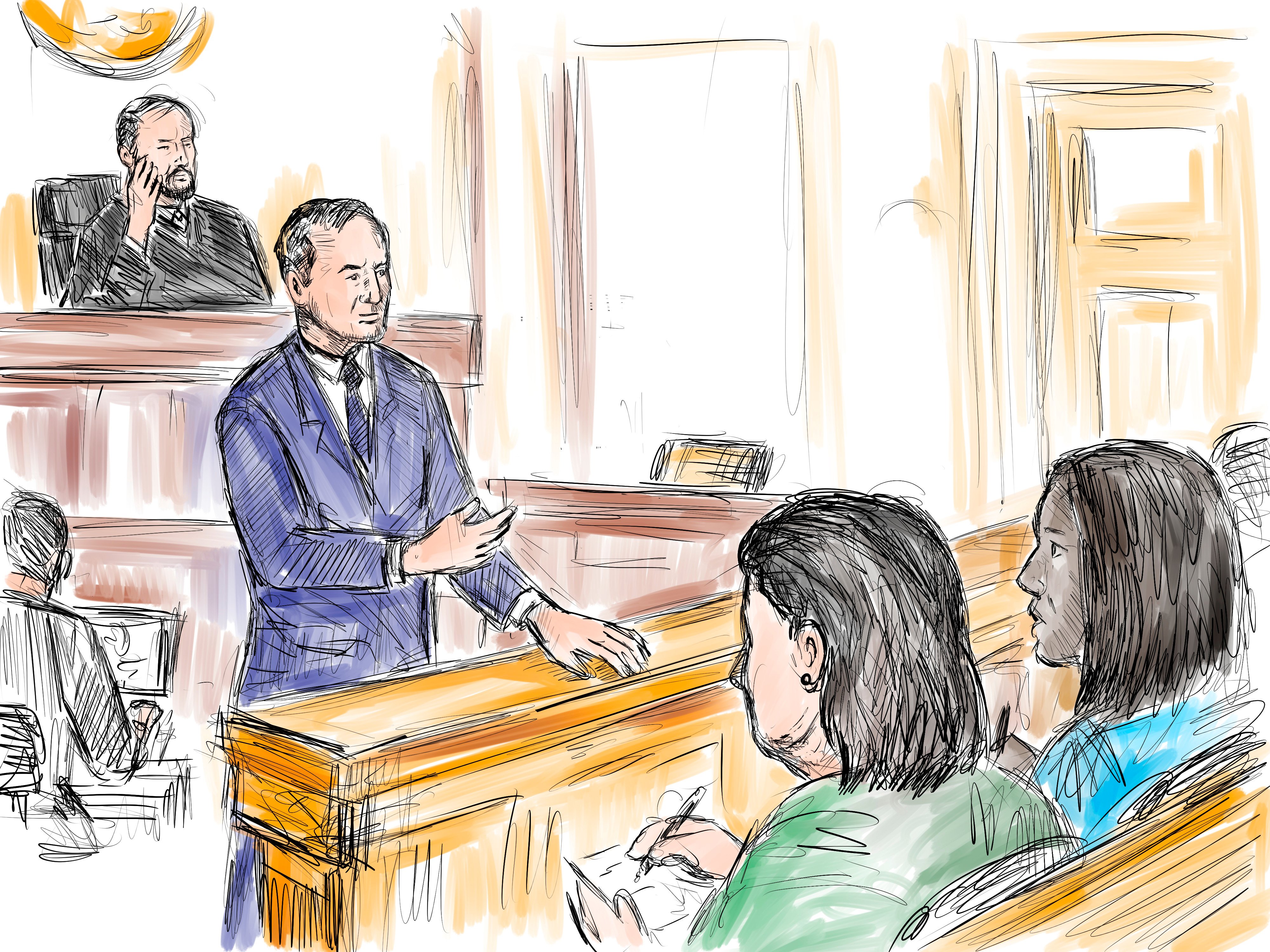
Today, however, about 95 percent of federal criminal cases never reach a jury. They end in plea bargains, where prosecutors wield the threat of vastly harsher sentences to pressure defendants into waiving their rights. As trial lawyer Matt Martens argues, the system has become 'a conveyor belt of plea bargains,' effectively eliminating the public's role in justice.
The Supreme Court bears significant responsibility. In 1968, it still ruled that needlessly encouraging guilty pleas was unconstitutional. But just two years later, the Court reversed course, upholding plea bargaining even when defendants faced steeper penalties for exercising their trial rights. By 1971, the Court was praising plea deals as 'an essential component of the administration of justice.'
That shift, Martens contends, caved to Richard Nixon's 'law and order' agenda. The result: a system where the innocent may plead guilty to avoid catastrophic sentences, and dangerous offenders get lenient deals that bypass community judgment. The Founders' dual aims—protecting the accused from coercion and the public from leniency—are both undermined.
Yet there are signs of judicial second thoughts. In 2020, the Court struck down non-unanimous jury verdicts, citing their discriminatory origins. This June, it agreed to hear a case on whether six-person juries are constitutional. More tellingly, Justice Neil Gorsuch—joined by Justices Sonia Sotomayor and Ketanji Brown Jackson—recently wrote that the Court has 'looked the other way' at 'coercive prosecutorial tactics' and bears 'at least some responsibility' for the plea-bargaining crisis. The Court's recent ruling on plea waivers only sidestepped the deeper systemic flaws.
As the 250th anniversary of American independence approaches, the question is whether the nation can realign its criminal justice system with the Founders' vision. Martens, a trial lawyer with WilmerHale in Washington, D.C., argues that the jury trial was never a mere procedural detail—it was a cornerstone of liberty. Reclaiming it, he suggests, requires confronting how plea bargaining has turned the Sixth Amendment into a dead letter.
With Americans increasingly viewing politics as a safety threat, the erosion of trust in justice may only deepen. The Founders believed that juries checked government overreach. Today, that check is largely absent—and the Constitution's promise remains unfulfilled.