President Trump distributed $135,000 in cash holiday gifts to three of his closest White House aides, according to financial disclosures released by the administration last week. Each of the three aides received $45,000, with the payments labeled on disclosure forms as “Cash Gift for Holidays” and attributed directly to the president.
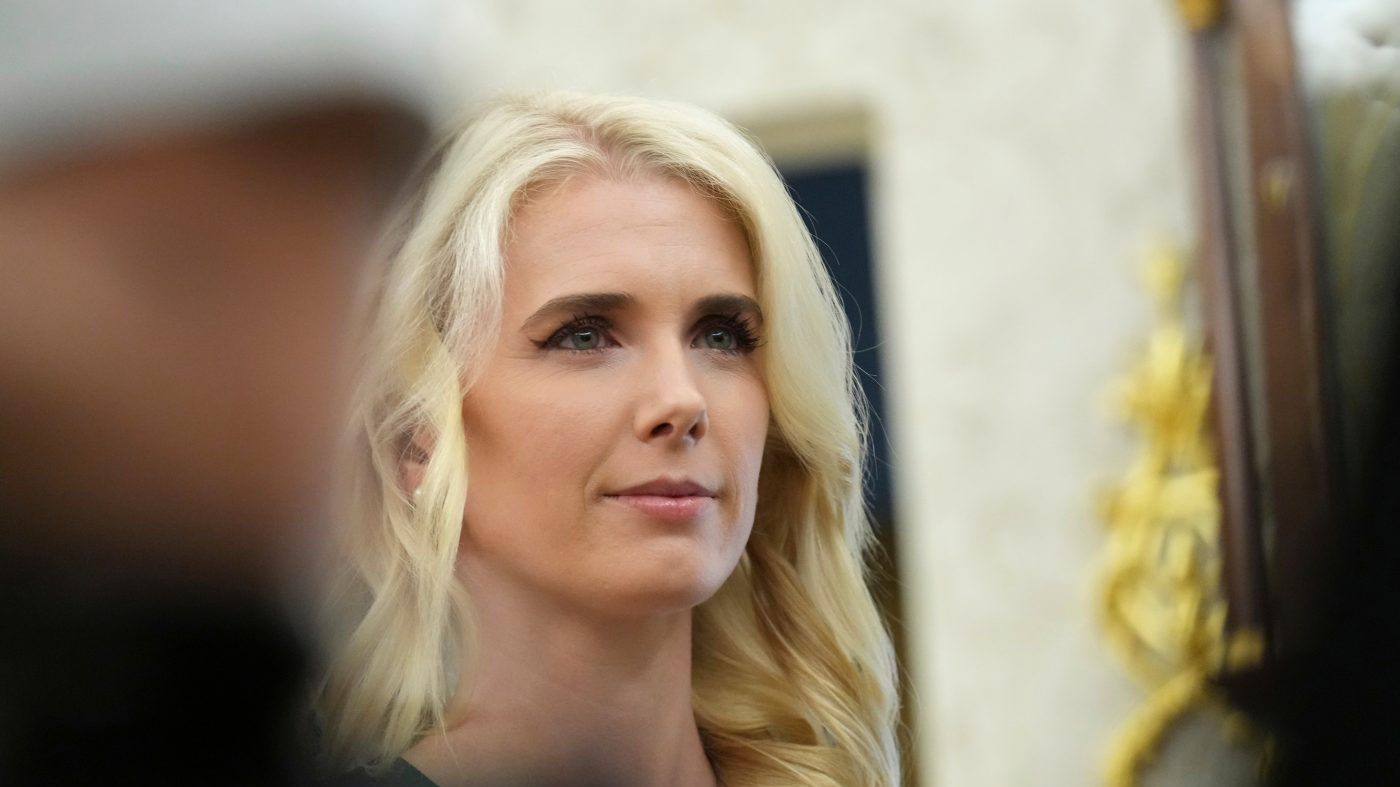
The recipients were Natalie Harp, a special assistant and executive assistant to the president; Margo Martin, his communications adviser; and Chamberlain Harris, deputy director of Oval Office operations. All three earn an annual taxpayer-funded salary of $150,000, according to public records. Harp, a former conservative television anchor, has drawn attention for her unusually close proximity to Trump and her role in his daily operations.
Harris was also recently nominated by Trump to the Commission of Fine Arts, a federal panel that reviews architectural and design proposals in Washington, including the controversial White House ballroom renovation. Martin is responsible for filming social media content for the president at the White House and during his foreign travel.
In addition, Walt Nauta, the director of Oval Office operations, received a $20,000 gift from the president, according to a separate disclosure. Nauta’s annual salary is $175,000. The Washington Post first reported on the cash gifts.
The payments have drawn sharp criticism from ethics lawyers, who point to a federal statute prohibiting federal employees from receiving supplemental income from any source, including a president. Richard Painter, who served as chief White House ethics lawyer under President George W. Bush and is a vocal Trump critic, argued that the gifts violate the law. “A White House staffer is not your Fifth Avenue doorman,” Painter wrote on X. “No tipping, and no holiday gifts from a current boss or former employer. The salary is what it is. Full stop.”
A White House spokesperson defended the payments, saying the president has a “longstanding practice of giving Christmas gifts to people in his orbit, including at times employees and aides, both in government and in his time in the private sector.” The spokesperson added that the gifts “have nothing to do with any of these individuals’ official government duties, and therefore are entirely permissible under relevant legal and ethical standards.”
This is not the first time Trump’s personal generosity has intersected with his official role. The president has previously given gifts to staff and allies, but the size and cash nature of these payments have intensified scrutiny. The disclosures come as Trump faces ongoing questions about the intersection of his private business interests and public duties, including his family’s involvement in political fundraising and his administration’s handling of trade disputes with Canada, which have squeezed GOP Senate hopefuls in key states.
Ethics experts note that the federal statute at issue applies to both the giver and the recipient, meaning that if the gifts are deemed illegal, both Trump and the aides could face legal consequences. However, enforcement of such provisions is rare, and the administration has signaled it will not reverse course.
The episode is likely to fuel broader debates about Trump’s approach to governance and his willingness to reward loyalists. As the president continues to navigate policy battles and midterm positioning, the cash gifts offer a fresh flashpoint for critics who argue that his actions blur ethical lines. Whether the Justice Department or the Office of Government Ethics will weigh in remains unclear, but the disclosures have already become a talking point in political circles.