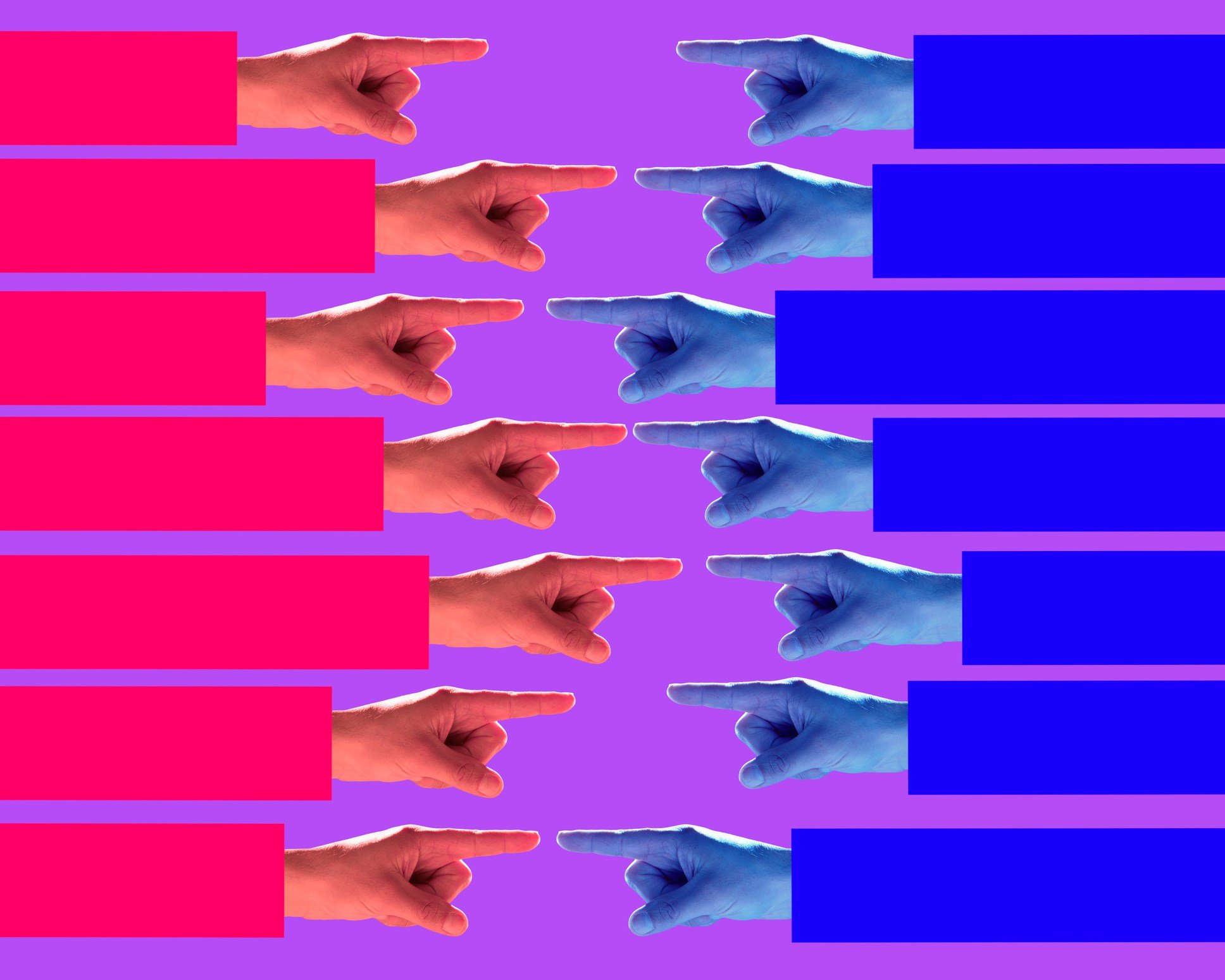
If you believe American politics has reached peak acrimony, think again. The current climate is poised to deteriorate further unless citizens take deliberate action. The partisan chasm in Washington both mirrors and amplifies divisions across the country, and the moderate middle—once home to liberal Republicans and conservative Democrats—has vanished. By 2020, the nation's ten most polarized years had all occurred within the prior sixteen, spanning both Democratic and Republican presidencies.
The fraying social contract
America's unity has never rested on shared ethnicity, religion, or ancient history. Instead, it is built on ideals of liberty, equality, and consent of the governed. The social contract that holds these ideals together does not demand unanimity—indeed, democracy guarantees diversity of thought. What it requires is a common commitment to civic duty, civility, and mutual respect. When that contract breaks, so does the nation's cohesion, as seen during the Civil War and the disillusionment of the Vietnam era.
Historical fractures have tested the contract repeatedly. The civil rights movement and the protests of the 1960s—for women's rights, environmental protection, and an end to the Vietnam War—exposed deep distrust in leadership. Watergate and the deliberate prolongation of a losing war cost tens of thousands of American lives and shattered faith in the presidency. These wounds were not healed by elections alone.
Trump's role in accelerating division
Donald Trump did not create today's polarization, but he has dramatically accelerated it. His repeated violations of constitutional norms and his efforts to undermine confidence in elections have corroded the very mechanism by which citizens control their government. As his final term winds down, his actions remain unpredictable, but his pattern suggests a willingness to hold power at any cost.
The upcoming midterms will not end these threats. Elections typically reflect existing divisions rather than resolve them. Civil society has fragmented: fewer than one in five Americans now participates in neighborhood or community groups, a sharp decline from previous generations. This isolation feeds distrust and fuels the cycle of polarization.
A path forward: rebuilding trust
Yet there are signs of hope. A Change.org petition captures the sentiment: “We disagree on politics, religion, immigration, education, economics, and countless other issues. Yet beneath those differences, most of us want many of the same things.” It calls for neighborhoods filled with service over outrage, curiosity over assumptions, collaboration over division.
Efforts to bridge divides are emerging, as seen in Beasley's unlikely path from governor to Nobel laureate, which highlights how individual leadership can foster unity. Similarly, 9/11's legacy has reshaped American democracy, underscoring the need for resilience against external threats that demand national cohesion.
Pew Research found that only 34% of Americans believe most people can be trusted, and just 44% trust their neighbors. But three in four would help a neighbor in need, and two-thirds believe they can learn from those different from themselves. The barriers are often simply lack of opportunity, not unwillingness.
As William Sloane Coffin wrote, “All human beings have more in common than they have in conflict, and it is precisely when what they have in conflict seems overriding that what they have in common needs most to be affirmed.”
November will change the composition of Congress, and 2028 will bring a new president. But only citizens can rebuild the social fabric. The work begins with each of us—choosing connection over division, and service over apathy.