The escalation of the U.S.-Canada trade dispute has entered a more precarious stage. On September 8, Ottawa's retaliatory tariffs on roughly $27.6 billion of American goods took effect, yet conspicuously left energy and other strategically vital commodities untouched. Some in Washington may interpret this as a sign of U.S. leverage, but it could just as easily be a card Canada is holding back—one it would rather not play unless necessary.
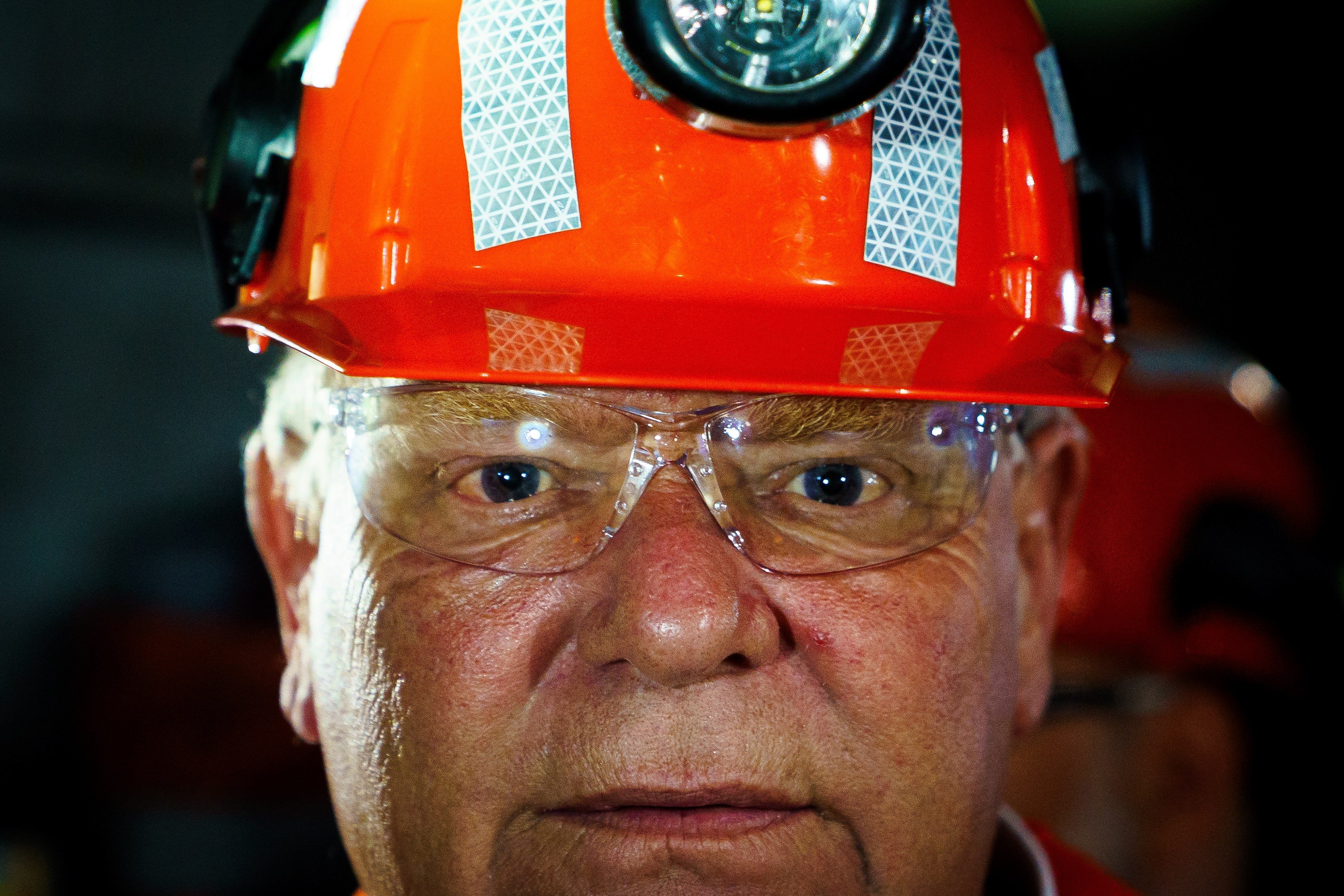
Ontario Premier Doug Ford, among the most vocal Canadian voices, warned that “everything is on the table” if the trade war intensifies. While Ford lacks authority over Canada's international trade policy, his threat underscores a vulnerability Washington has struggled to address: critical minerals, especially nickel.

Nickel is not rare globally. According to the U.S. Geological Survey, supply has outpaced consumption every year since 2022. Indonesia holds the largest reserves and leads in mined output, but Canada supplies roughly 44 percent of U.S. primary nickel imports. The U.S. has only one operating primary nickel mine—the Eagle Mine in Michigan's Upper Peninsula—which produced about 10,000 metric tons in 2025, meeting just 4.5 percent of domestic consumption.
The real bottleneck, however, is not mining but processing. The U.S. lacks an operating nickel smelter capable of handling Eagle's concentrate. That ore is shipped overseas—often to Canada—for smelting. Washington's problem is not finding nickel sources but building the industrial infrastructure to convert ore into usable material.
Smelting and refining demand cheap, reliable energy and tolerance for environmental costs. That explains China's dominance in global refining and Indonesia's decade-long investment in processing capacity, which now controls exports of a metal critical to the energy transition. For Washington, the immediate challenge is securing supplies from politically acceptable sources while developing domestic processing for the long term.
Copper offers a cautionary tale. Building resilient copper supply chains took years of permitting, investment, and infrastructure development—backed by sustained political will. Substitution is not easy, and the same applies to nickel.
Washington is attempting to close some gaps. The Defense Industrial Base Consortium has an active solicitation for domestic processing of indium, magnesium, manganese, and titanium, with submissions due September 17. Notably, nickel is absent from that list—an omission that reveals a broader weakness in U.S. critical-minerals strategy, which often focuses on lists of minerals rather than the processing bottlenecks that determine whether those minerals reach American industry.
The Canada dispute exposes this distinction. Ottawa need not impose an outright embargo; the credible threat of disruption could force American buyers to compete for alternative supplies, driving up costs and exposing fragility. Private commodity traders—Glencore, BGN Group, Trafigura, Mercuria—could help bridge gaps with their global networks of producers, storage, and shipping. BGN's partnership with Electro Mobility Materials Europe, a French battery-grade nickel and cobalt project, shows how traders can connect upstream supply with downstream demand.
But even the most sophisticated traders cannot trade around a structural processing deficit. That is the lesson Washington should draw from this dispute. As the trade war continues, the vulnerability in nickel processing remains unresolved, and Canada—whether by design or not—holds a card that could reshape the contest. Canada's tariff retaliation has already hit U.S. goods, and the political fallout is squeezing GOP Senate hopefuls. Meanwhile, Carney says Canada's 'easy' U.S. trade era is over, and Sapporo has shifted beer production to the U.S. in response to the tariffs.