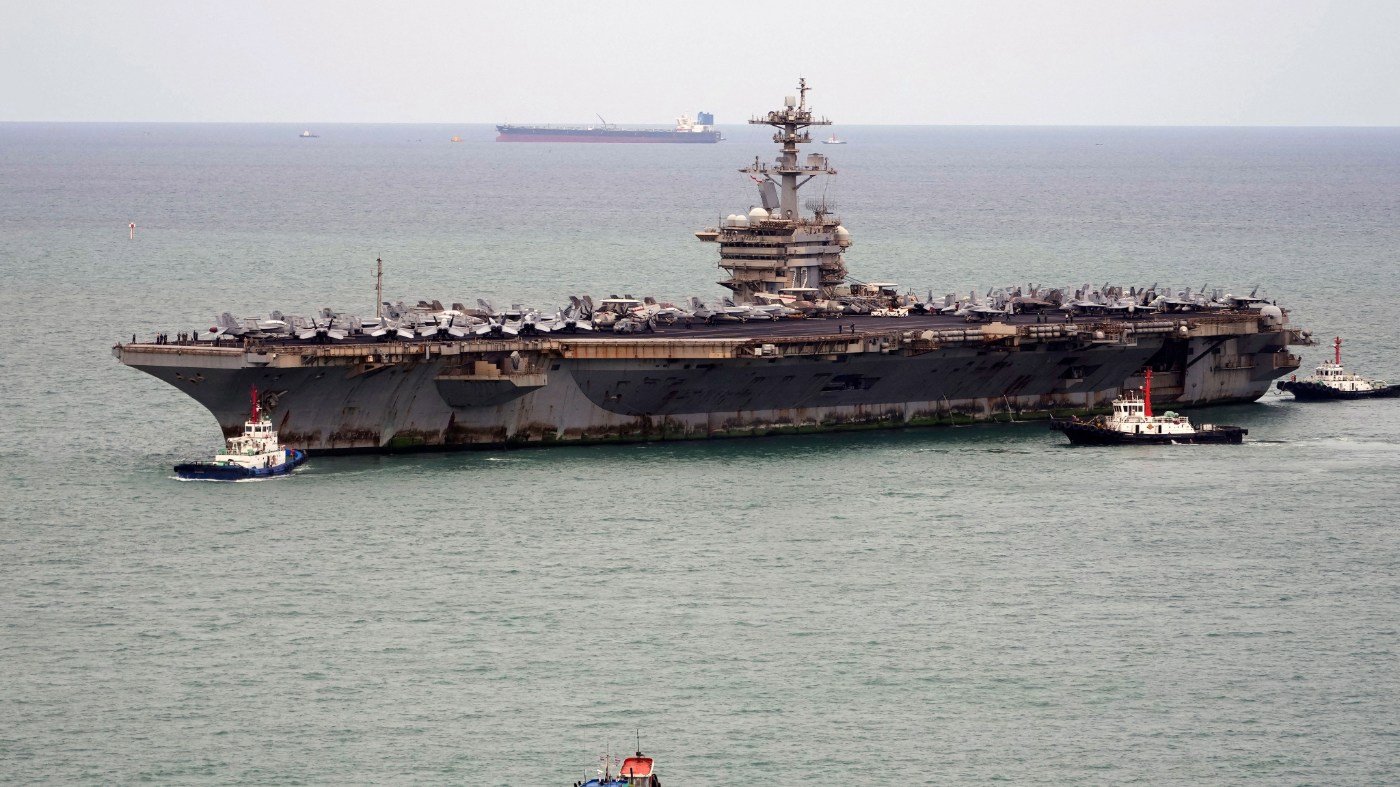
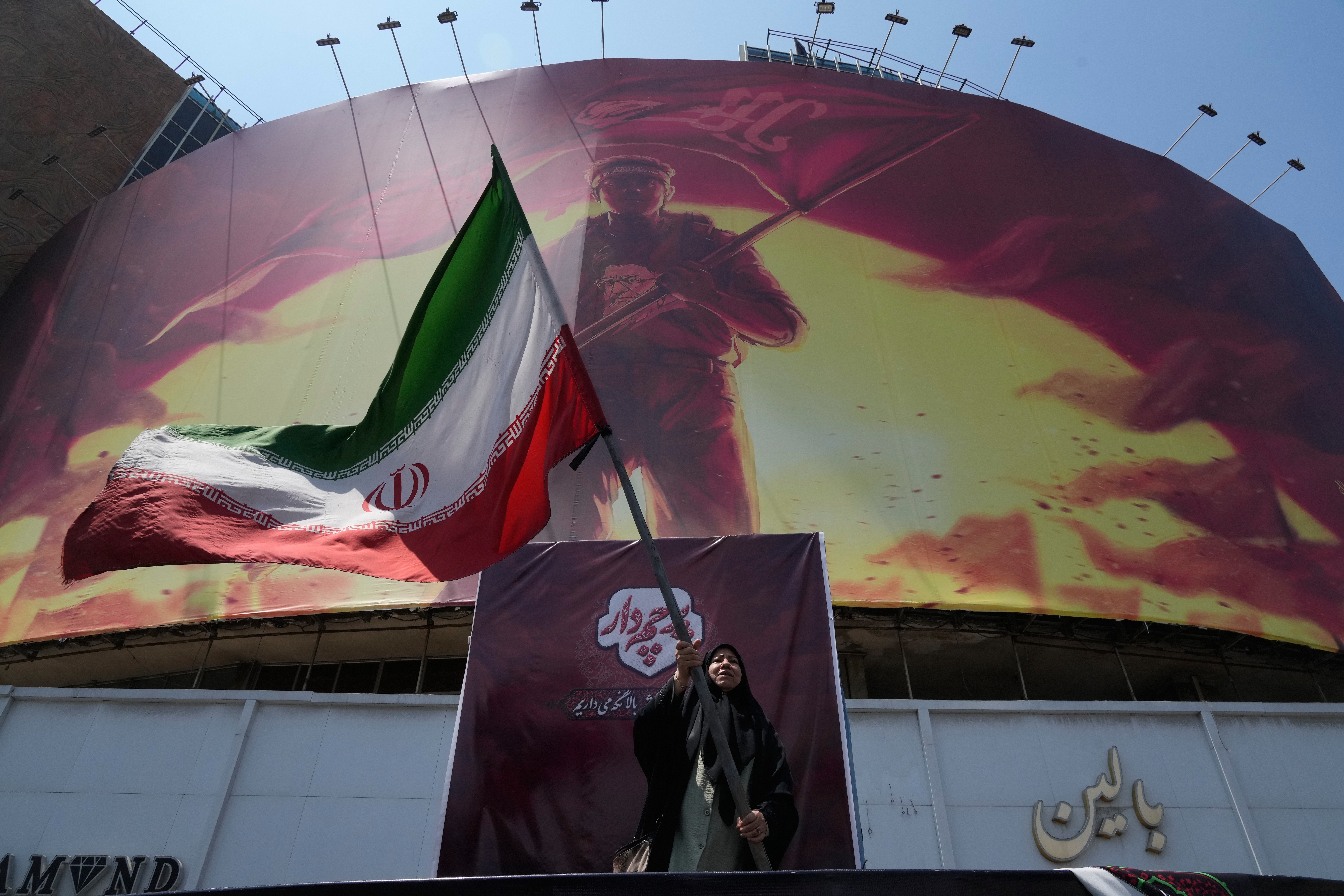
Republicans on Capitol Hill are demanding that the Pentagon provide a detailed breakdown of the scope, objectives, and cost of the ongoing military campaign in Iran before they will agree to a supplemental funding request. With the conflict now past its 100-day mark and the price tag already exceeding $29 billion as of early May—and climbing daily as President Trump escalates pressure on Tehran—GOP lawmakers are wary of signing off on what could become an open-ended commitment that hurts them in the midterms.
Representative Kevin Kiley, an independent who caucuses with Republicans, told The Hill that Congress must use the appropriations process to exert influence and bring the conflict to an acceptable end. “I want to know what the strategy is, and then I think Congress needs to put its own fingerprints or its own strategic objectives in the legislation as well,” Kiley said. “We need to have broad buy-in on a strategy for ending this conflict. Otherwise, any resolution is going to be harder to reach and harder to actually cause it to stick.”
The Trump administration initially signaled a need for a $200 billion supplemental, but scaled that back amid bipartisan pushback. The latest expected request is between $80 billion and $100 billion, largely to replenish depleted munitions, according to The Washington Post. However, the White House has not formally submitted a request, leaving lawmakers unable to begin the legislative process and in the dark on key details.
Pentagon acting chief financial officer Jules W. Hurst III told the House Armed Services Committee in late April that a supplemental would be formulated once a full cost assessment is complete. That was over a month ago, and lawmakers are growing impatient. Representative Rob Wittman, chair of the House Armed Services Subcommittee on Tactical Air and Land Forces, recently called for more details, as reported by Inside Defense.
Procedural hurdles also loom. With Democrats opposing the conflict, Republicans have floated including the funding in a third reconciliation package to bypass a Senate filibuster. But lawmakers increasingly acknowledge that a third reconciliation bill appears out of reach this year, as Senators Collins and McConnell cast doubt on the plan, threatening defense funding plans.
Representative Scott Fitzgerald noted that the size of the package will be a determining factor for many members. “Until we see a request from the White House, it’s pretty difficult to find a solution,” he said. Representative Blake Moore echoed the concern: “I always worry about the price tag. We need to be as responsible as possible. We need to support our military. That’s just where we’re gonna land.”
Lawmakers facing reelection are also contending with an electorate weary of war and high gas prices. An Economist/YouGov poll released last week found only 28% support for the conflict, while 68% said the U.S. “should make a deal to end the war in Iran as quickly as possible.” The House last week passed a bill to force Trump to end hostilities, and the Senate advanced a similar measure with four Republican votes.
House Armed Services Committee Chair Mike Rogers told The Hill he hasn’t heard from the Pentagon on the supplemental yet but sees it as necessary alongside $350 billion in defense spending Trump wants in reconciliation. Combined with the Pentagon’s $1.15 trillion budget request, military spending would hit a historic $1.5 trillion—a nonstarter for most Democrats. “I think that we should try supplemental first, and in addition to reconciliation, I think we ought to take a shot at refilling the hole that’s been created this year in our munitions stockpile with a $30 billion or $35 billion supplemental appropriations, and then try to pursue reconciliation to get us to that $1.5 trillion,” Rogers said. “They’re not mutually exclusive.”
If Congress fails to pass a supplemental, it would be a devastating blow to U.S. military operations in Iran. The Iran conflict grinds on past 100 days as Trump faces growing political heat, and the lack of funding could undermine the campaign.