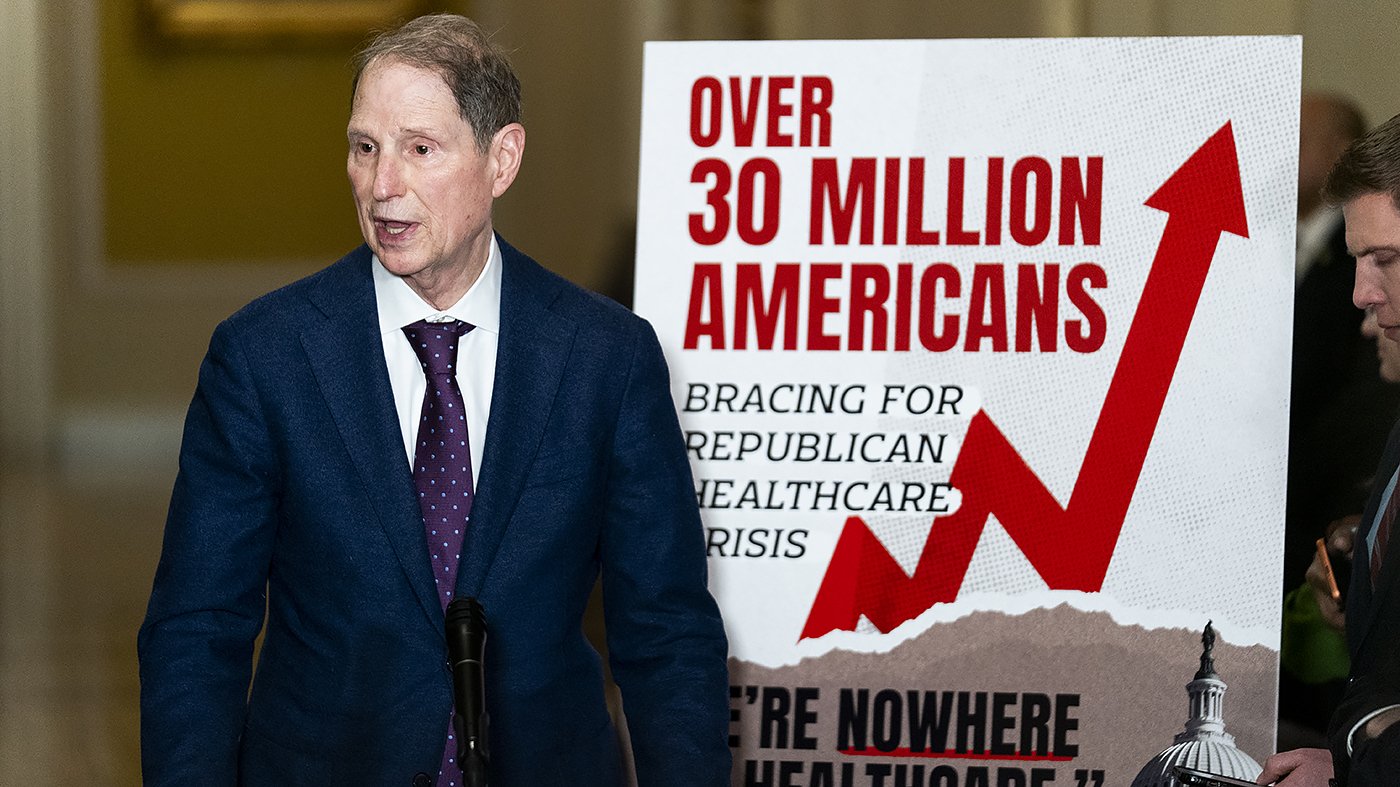
Senate Democrats rolled out a comprehensive drug pricing blueprint on Tuesday, aiming to sharpen their affordability message ahead of the November midterms and offer a clear alternative to the Trump administration's approach. The plan, led by Senator Ron Wyden of Oregon and other members of the Senate Finance Committee minority, seeks to build on the Inflation Reduction Act's Medicare price negotiation provisions—a law passed without a single Republican vote.
High prescription drug costs remain a top concern for voters across party lines, and President Trump has touted his own voluntary pricing agreements with manufacturers, promoted on his branded website TrumpRx. But Democrats argue these efforts have fallen short, accusing the White House of prioritizing showy deals with pharmaceutical companies over tangible relief for families.

“While Trump has busied himself giving showy sweetheart deals to Big Pharma with the alleged benefits for families kept secret, Democrats are working hard to meaningfully lower prices and invest in the valuable treatments of the future,” Wyden said in a statement.
The Finance Committee document, which seeks input from stakeholders and experts, outlines a series of proposals Democrats could implement if they reclaim control of Congress. Key ideas include expanding the scope of Medicare drug price negotiations to cover more medications and allowing negotiations earlier in a drug's life cycle. The plan also considers incorporating international pricing benchmarks—a concept borrowed from Trump's own playbook.
Trump has negotiated 17 voluntary “most favored nation” agreements with drug companies, pledging not to charge more than the lowest international price for select products. However, these deals are limited to Medicaid and future drugs, with terms kept confidential. Democrats dismiss them as unserious, noting they fail to address Medicare or private insurance costs.
“Trump has tried to capitalize on Americans’ frustration by claiming that he is bringing drug prices in the United States down to international levels. None of his efforts, however, have delivered results. In fact, most appear to be intentionally unserious,” the document states.
Beyond negotiation, the blueprint calls for bolstering Medicare's price gouging penalties to hold pharmaceutical companies accountable for excessive pricing. Democrats are also exploring ways to lower out-of-pocket costs, such as capping cost-sharing for specific medicines like insulin or for all chronic care drugs. This push comes as the party seeks to build on its affordability-focused agenda to counter GOP messaging on the economy.
Democrats are also eyeing the political landscape, where internal GOP divisions over reconciliation packages and other priorities could play to their advantage. Recent polling shows Democrats edging ahead of Republicans by five points in generic midterm ballots, fueling optimism that a strong platform on drug pricing could help tip the balance.
The blueprint arrives as the party navigates broader challenges, including debates over leadership and strategy. Some younger Democrats are pushing to oust aging incumbents in upcoming primaries, while the party remains united on the need to address cost-of-living issues. With the midterms looming, the drug pricing plan is a central piece of Democrats' effort to reclaim a narrative on kitchen-table economics.