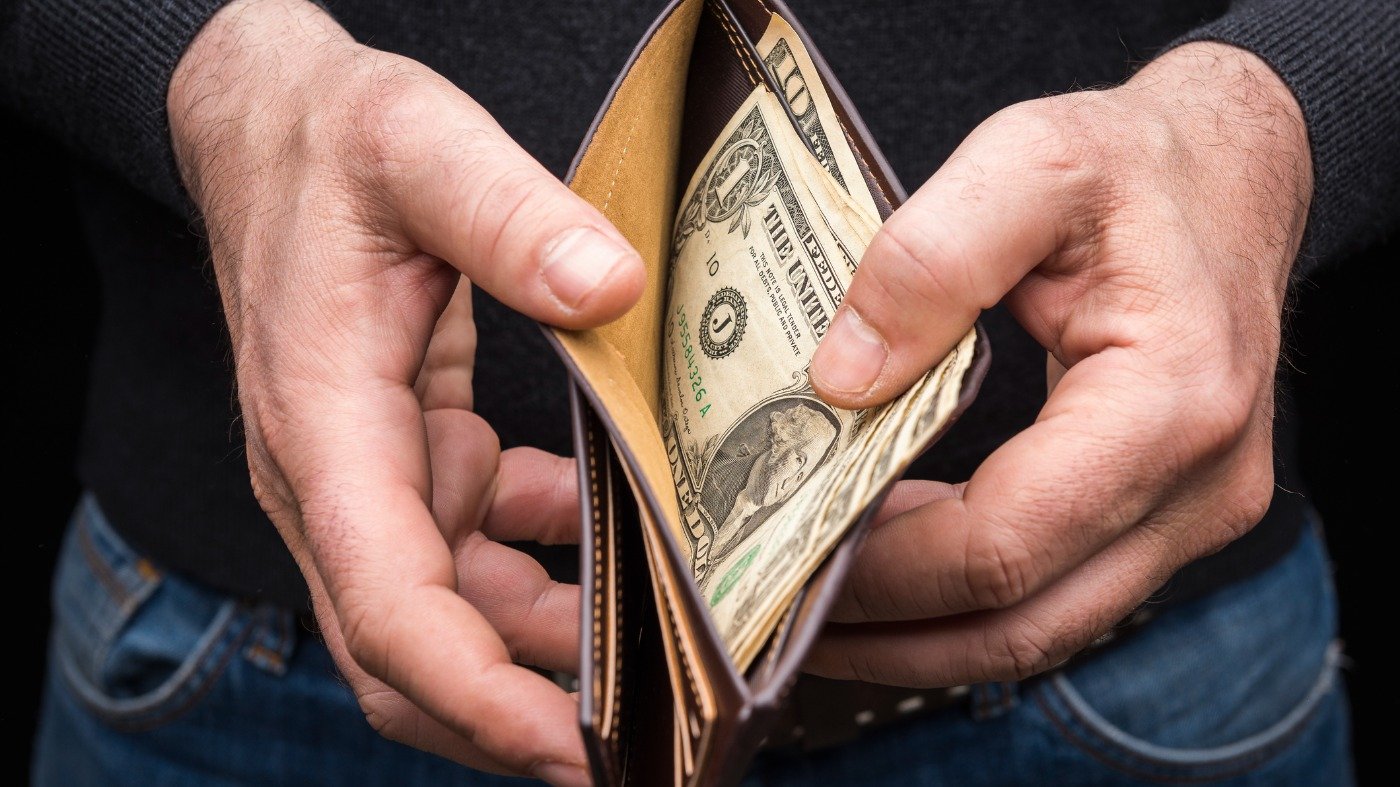
The Senate Banking Committee is set to hear from expert witnesses Tuesday morning on the nation's affordability crisis, as rising costs and inflation dominate voter concerns heading into the midterm elections. The hearing, scheduled to begin at 10 a.m. EDT, comes at a time when the annual inflation rate has climbed to 4.2 percent—its highest level in three years, according to the latest Labor Department data.
Among the most pressing issues are soaring gas prices, which have been exacerbated by the ongoing war in Iran. This conflict has disrupted global energy markets, sending fuel costs sharply higher and squeezing household budgets across the United States. The combination of broad inflationary pressures and specific geopolitical shocks has left many Americans feeling financially strained.
The hearing underscores the political stakes for both parties as the midterms approach. Democrats are eager to showcase their legislative efforts to lower costs, while Republicans are hammering the administration over what they call failed economic policies. The affordability debate has become a central battleground, with each side accusing the other of failing to deliver relief to working families.
In a related development, the White House has deployed prominent surrogates to key swing districts to bolster the party's message. RFK Jr. has been sent to several competitive House races to argue that the administration's infrastructure and clean energy investments are beginning to curb long-term price pressures. However, critics note that immediate relief remains elusive for many voters.
Meanwhile, the Senate Banking Committee's focus on affordability is part of a broader congressional push to address economic anxiety. Lawmakers are under pressure to deliver tangible results, with some proposing new measures to regulate price gouging and expand housing assistance. Others, like Senator Rick Scott, have advocated for a government shutdown plan to force spending cuts. Scott's proposal has gained traction among hardline conservatives but faces stiff opposition from Democrats and moderate Republicans.
The hearing also highlights the intersection of economic policy and voter rights. A recent AP-NORC poll found that two-thirds of Americans believe voting rights are under threat, a sentiment that could influence turnout among cost-burdened voters. As the midterms draw nearer, the affordability crisis is likely to remain a key driver of electoral outcomes.
Expert testimony at today's hearing is expected to cover a range of topics, including the impact of inflation on low-income households, the role of corporate pricing practices, and the effectiveness of federal stimulus measures. Witnesses will also address how global events, such as the Iran war, are transmitting price shocks into the domestic economy.
The committee's chair has emphasized that the hearing is not merely a political exercise but a necessary step toward crafting evidence-based policy. However, with the midterm campaigns in full swing, the partisan overtones are unmistakable. Both parties are eager to claim credit for any progress—and to assign blame for any failures.
As the hearing unfolds, voters across the country will be watching closely. For many, the cost of everyday goods and services has become the single most important issue in deciding how to cast their ballots. The Senate Banking Committee's investigation into the affordability crisis is just one more signal that Washington is finally paying attention to the economic pain felt by millions of Americans.