While analysts frequently tally military hardware and territorial gains, the decisive front in the Ukraine conflict may be psychological and economic. Russia, despite its vast resources, faces mounting internal pressures that challenge its capacity to sustain a prolonged war.
Economic Foundations Cracking
Russia's economy has entered a general recession, compounding an industrial downturn that began last year. The war effort is draining state coffers, leading to delayed payments to defense contractors, reduced public sector salaries, and cuts to pensions, healthcare, and education. Even a recent rise in global oil prices offers limited relief, as Ukrainian drone strikes have crippled a significant portion of Russia's export infrastructure.
President Vladimir Putin's recent appeal to oligarchs for "voluntary" financial support and his announcement of reduced business subsidies signal deepening fiscal distress. With international capital markets closed due to sanctions—and even China unwilling to extend loans—Moscow's options are narrowing. The government has raised taxes and may resort to inflationary money printing or even freezing citizen bank accounts, measures reminiscent of the economic crises of the 1990s.
The Domestic Toll
The war's cost is becoming palpable for ordinary Russians. Teachers and medical professionals report unpaid wages, while businesses face declining demand, high interest rates, and a pre-bankruptcy climate. The psychological impact is suppressing business confidence, negating the effect of recent central bank rate cuts. Furthermore, the war's staggering human cost—estimated at hundreds of thousands of Russian soldiers killed—disproportionately affects poorer regions, creating a societal rift.
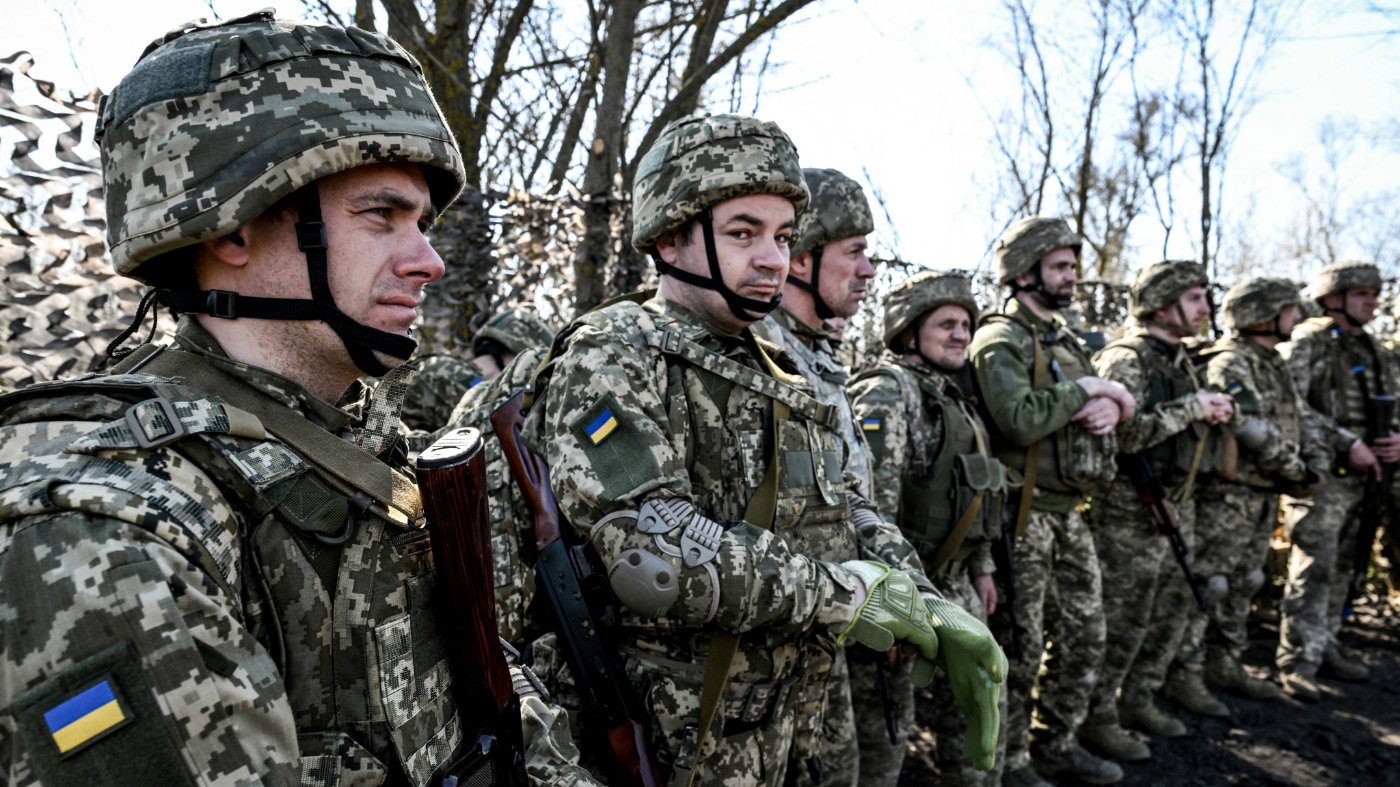
Russia's failure to defend its own territory from regular Ukrainian strikes on oil refineries, ports, and industrial plants is a persistent embarrassment, undermining the state's narrative of strength. Reports from the front indicate severely low morale among Russian troops, whose belief in the war's purpose erodes when faced with battlefield realities and corrupt command structures.
Ukraine's Precarious Position
Ukraine's economy survives primarily on European aid, a lifeline contingent on sustained political will in Western capitals. As seen in other global hotspots, such as the tense standoff in the Strait of Hormuz, geopolitical priorities can shift rapidly. Ukraine also confronts a critical shortage of manpower, limiting its capacity for large-scale offensive operations despite a resilient defensive posture.
The Decisive Factor: National Will
This conflict transcends material calculations. Ukrainians are fighting for national survival and identity against an invasion they perceive as existential. This motivation stands in stark contrast to Russia's stated objectives, which lack a compelling rationale for its own population and soldiers. In wars of attrition, such psychological factors often outweigh numerical advantages.
The outcome may hinge on which society's political will fractures first. Russia's economic tools are dwindling, and its domestic stability is being tested. As financial markets globally grow wary of political dysfunction, the Kremlin must weigh the war's escalating price against its strategic ambitions. For Ukraine, endurance is tied to the continuity of Western support and the unwavering resolve of its citizens.
Ultimately, statistics on tanks and treasury funds provide only a partial picture. The war's duration and conclusion will be dictated by the intangible yet powerful forces of morale, national purpose, and the capacity to endure sacrifice.