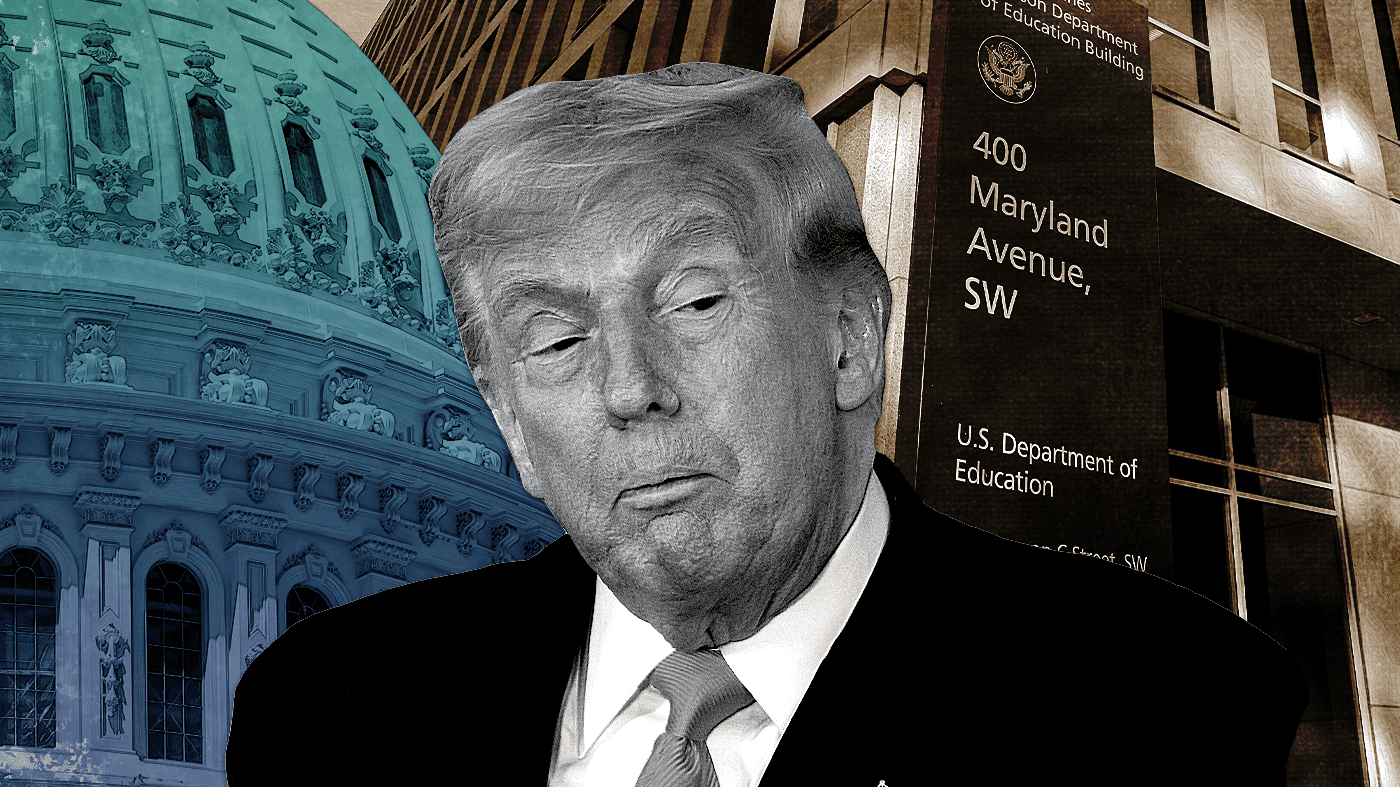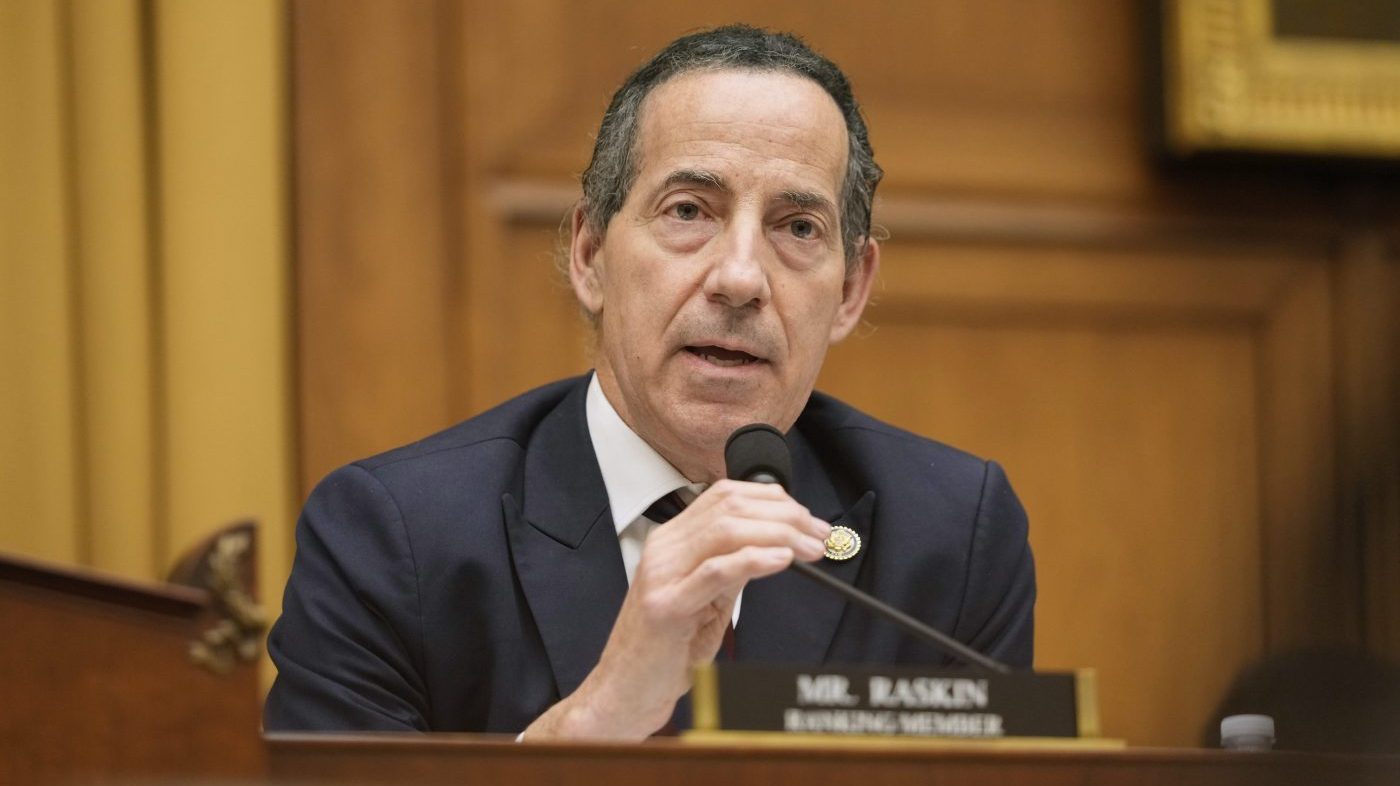
House Judiciary Committee ranking member Jamie Raskin (D-Md.) unveiled legislation Tuesday that would create a formal mechanism for Congress to evaluate whether a president remains mentally or physically capable of executing the duties of the office. The bill represents a direct attempt to operationalize a rarely used constitutional provision amid growing Democratic alarm over President Trump's conduct.
Legislative Response to Presidential Threats
The proposed Commission on Presidential Capacity would, if activated by Congress, conduct a medical examination of the president to determine fitness. This framework is designed to implement Section 4 of the 25th Amendment, which allows for the vice president and a majority of the Cabinet—or another body established by Congress—to declare a president unable to serve. The move comes after more than seventy House Democrats publicly called for Trump's removal following his escalation of rhetoric against Iran, including a threat that "a whole civilization will die" if Tehran doesn't agree to a peace deal.

In a statement, Raskin framed the legislation as a national security imperative. "Public trust in Donald Trump’s ability to meet the duties of his office has dropped to unprecedented lows," he said, citing the president's threats, violation of congressional war powers, inflammatory remarks about religious figures, and online behavior. "We are at a dangerous precipice, and it is now a matter of national security for Congress to fulfill its responsibilities under the 25th Amendment."
Political Reality and Democratic Strategy
The bill faces steep odds in the Republican-controlled Senate and has little chance of becoming law in the current Congress. However, it signals a strategic shift among some Democrats toward formalizing oversight of presidential capacity, a topic that has gained traction as former allies have expressed concern over Trump's erratic behavior. Fifty House Democrats have already signed on as cosponsors.
Democratic leadership, however, has maintained cautious distance from more aggressive removal efforts. House Minority Leader Hakeem Jeffries (D-N.Y.) has largely avoided endorsing calls to invoke the 25th Amendment or pursue impeachment. When asked last week on MSNBC's "Morning Joe" whether Trump's Iran rhetoric warranted such measures, Jeffries offered a noncommittal response: "Well, in terms of impeachment and things of that matter, we’ve said we’ve ruled nothing out and we’ve ruled nothing in, but we’re going to deal with what’s in front of us."
This caution reflects the political calculus of House Democrats, who have previously joined Republicans to block impeachment resolutions introduced by Rep. Al Green (D-Texas). Party leaders remain wary of appearing overly partisan in swing districts ahead of a competitive election cycle, recognizing that impeachment requires a House majority and conviction demands a two-thirds Senate vote.
Constitutional Context and Precedent
The 25th Amendment's Section 4, ratified in 1967, provides a process for removing a president deemed "unable to discharge the powers and duties of his office." While the vice president and Cabinet are the primary actors, the amendment explicitly allows Congress to establish "such other body" to make that determination—the constitutional opening Raskin's bill seeks to exploit. This legislative effort follows broader Democratic calls to use constitutional remedies after the Iran threats, with some former officials like John Brennan also raising alarms.
The commission concept, while novel, enters a charged political environment where discussions of presidential fitness have become increasingly mainstream. Raskin himself has previously demanded Trump undergo a public cognitive test, framing the issue as one of basic competency for commanding nuclear forces.
Ultimately, the bill serves as both a policy proposal and a political statement. It institutionalizes a process for addressing presidential incapacity that has always existed as a theoretical constitutional safeguard but has never been fully structured by legislation. While its immediate prospects are dim, it establishes a Democratic position on executive accountability that could resonate beyond the current administration, particularly as debates about the concentration of power and democratic stability intensify across the political spectrum.