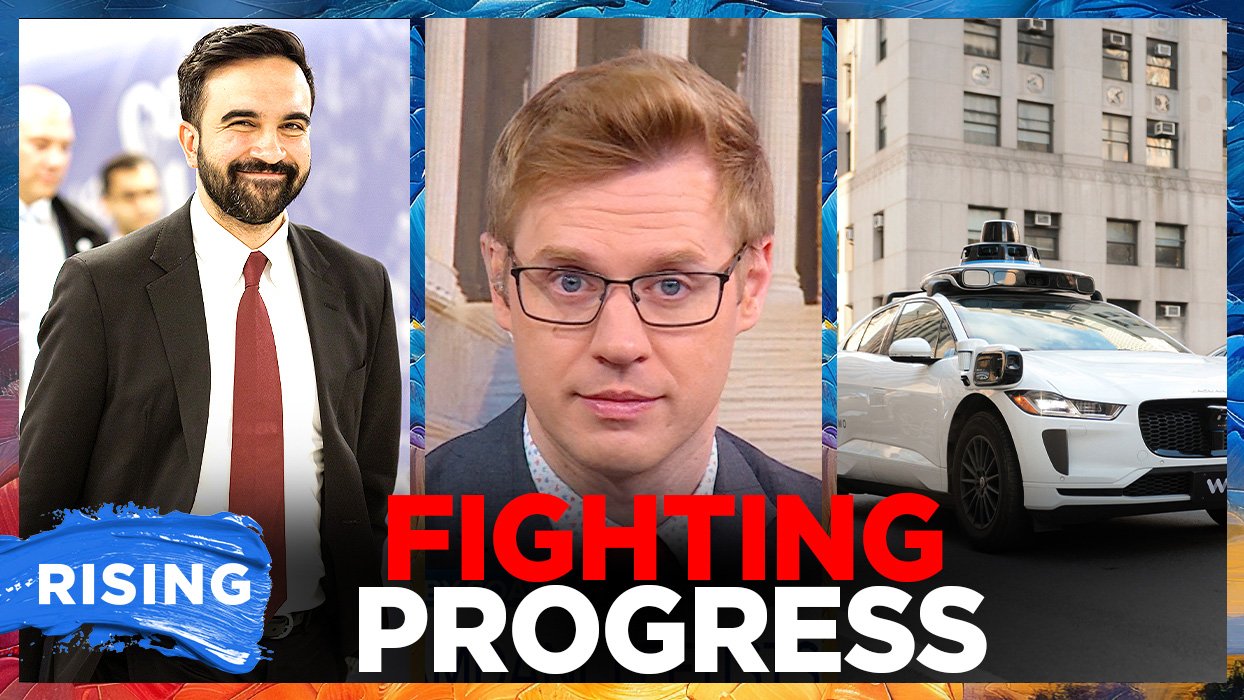
A pilot program testing Waymo's autonomous vehicles in New York City has reached its conclusion, and Mayor Zohran Mamdani has so far refused to renew it. This decision places the city at the center of a growing political clash between technological adoption and labor protection, a tension increasingly defining the progressive wing of the Democratic Party.
The Safety Argument Versus The Jobs Argument
Proponents of autonomous vehicles point to compelling safety data. Studies indicate driverless technology could reduce the tens of thousands of annual U.S. traffic fatalities by a factor of five or ten. Vehicle crashes remain a leading cause of non-disease related death nationally, alongside firearms. While no system is flawless, advocates argue the relative safety improvement is substantial and justifies rapid integration.
However, figures like Mamdani and allied leftist groups are not primarily contesting these statistics. Their core objection is economic: the potential displacement of taxi and truck drivers. This stance was amplified recently when the influential left-wing account More Perfect Union released a documentary criticizing Waymo, framing the issue as a defense of the working class against corporate automation.
A Historical Tension Resurfaces
The debate echoes centuries of conflict between innovation and existing labor markets. Critics of the anti-automation stance draw parallels to historical Luddites, arguing that halting progress to preserve specific jobs ultimately harms broader societal welfare. They contend that while support for displaced workers is necessary—potentially through retraining or transitional aid—using government power to stifle a safer technology is misguided. This philosophical divide is becoming a litmus test within the Democratic coalition, as seen in other progressive electoral efforts that prioritize economic security.
The resistance extends beyond transportation. A broader, sometimes violent, anti-tech sentiment appears to be gaining traction. OpenAI CEO Sam Altman was recently targeted in two attacks on his home, including a Molotov cocktail incident. Some online commentary celebrated the violence, suggesting a dangerous escalation of rhetoric against technology leaders. This environment complicates legislative efforts on related tech issues, such as the ongoing Congressional debate over FISA reauthorization and surveillance, where fear of technological overreach is a key factor.
Governing at the Crossroads
The standoff in New York presents a fundamental governance question for progressives: how to balance a stated commitment to evidence-based policy with a core pledge to protect workers from market disruptions. The decision pits potential life-saving technological advancement against immediate economic stability for a specific workforce. This internal conflict may shape policy far beyond city limits, influencing federal approaches to artificial intelligence, vehicle regulation, and the social safety net.
As the 2024 election cycle intensifies, this fault line could influence Democratic strategy and primary battles, much like the Progressive Caucus's involvement in key House races. The outcome will signal whether the party's left flank views technological change as a threat to be managed or an inevitability to be steered toward equitable outcomes. For now, the halted pilot program in New York serves as a concrete symbol of this unresolved tension, leaving the future of autonomous vehicle integration in America's largest city—and the political philosophy governing it—in doubt.