Progressive Wing Gains Ground in Key Democratic Primaries
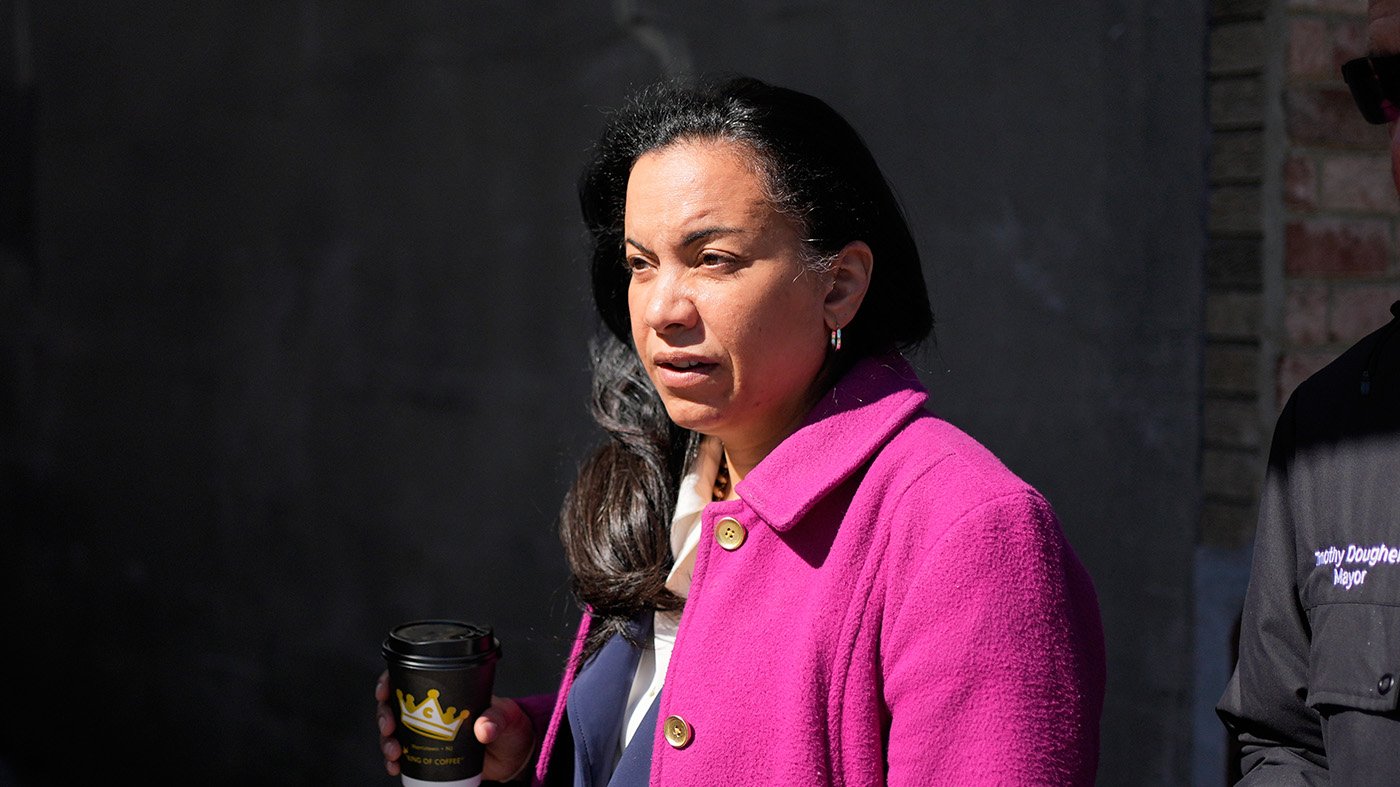
Analilia Mejia, a former senior advisor to Senator Bernie Sanders's presidential campaign, is poised to secure New Jersey's 11th Congressional District in Thursday's special election. Her expected victory over Republican Joe Hathaway would fill the seat vacated by Governor Mikie Sherrill and deliver another win to the Democratic Party's progressive flank during an internal debate over its strategic direction.
This result follows a pattern of liberal candidates either winning or performing strongly in recent Democratic primaries. In Illinois, progressive Evanston Mayor Daniel Biss won a House primary last month against a moderate state senator and a far-left challenger. While Biss had establishment backing, his progressive rival still captured 26% of the vote. Similarly, Illinois Lieutenant Governor Juliana Stratton, who has called for abolishing ICE and stated she would not support Senator Chuck Schumer as leader, won her Senate primary with endorsements from both Governor JB Pritzker and progressive senators.
Narrow Margins and Strategic Circumstances
Even in losses, progressives see encouraging signs. In North Carolina, Durham County Commissioner Nida Allam lost her primary challenge to Representative Valerie Foushee by less than one percentage point—a significant narrowing from her nine-point deficit in 2022. However, Democratic strategists caution that some progressive wins are circumstantial. Mejia's own primary victory was aided when the pro-Israel group AIPAC targeted a more moderate opponent, former Representative Tom Malinowski, with attack ads.
"I think that it is quite possible that AIPAC had an impact on Tom Malinowski," Mejia acknowledged in an interview. She argued, however, that her campaign successfully overcame a crowded field of ten other candidates, including Malinowski, Essex County Commissioner Brendan Gill, and former Lieutenant Governor Tahesha Way. "I had to run the kind of program that moved people... from an unknown entity to someone that they were willing to support," she said.
Some party operatives downplay the ideological significance of these results. New Jersey strategist Julie Roginsky, who worked for a super PAC supporting Malinowski, suggested voters are seeking "fighters" rather than specific policies. "I don't think they're looking at policy so much as somebody who's going to stand up to Trump," she said. This sentiment echoes broader Democratic tensions between base pressure and political reality regarding opposition to the former president.
The 'Fighter' Narrative vs. Policy Labels
Mejia herself connected the progressive position to this voter desire. "In this moment, voters are clear that what they want is someone that will stand up for them, that will be unbossed and unbought in the halls of power," she stated. "And it so happens that many progressives are positioned to deliver exactly that."
California-based Democratic strategist Garry South agreed with the assessment, noting, "They do want a fighter, and they do want someone to get in Trump's face." He expressed skepticism that the average Democratic voter deeply understands or prioritizes the "progressive" label itself. This internal dynamic occurs as the party grapples with other contentious issues, including growing skepticism toward Israel among some factions.
Despite the momentum, progressive success is not universal. The movement has suffered defeats, and figures like Roginsky point out that some victorious candidates, like Stratton, maintain strong establishment ties alongside progressive endorsements. The biggest recent progressive victory cited was New York City Mayor Zohran Mamdani's win last November, which Roginsky attributed partly to his talent and partly to his "deeply flawed" opponent, former Governor Andrew Cuomo.
As Mejia prepares to likely join the House Democratic Caucus, her victory will be viewed as another data point in the ongoing struggle for the party's soul. Whether these results signal a durable shift toward progressive policies or a more transient demand for combative figures remains a central question for Democrats heading into a challenging midterm election cycle, where economic concerns like those surrounding the Fair Prices Act will also be pivotal.