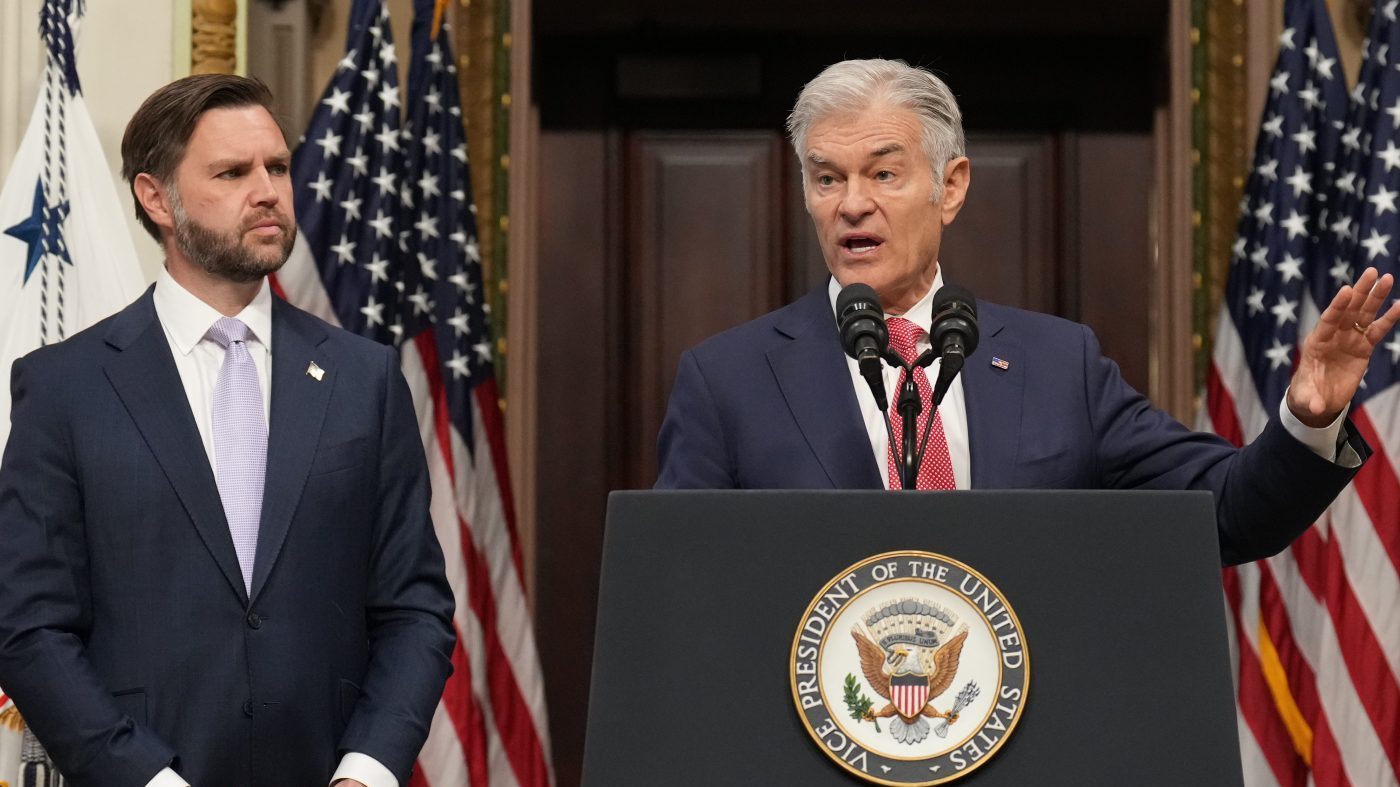
A majority of Americans believe the Trump administration has not adequately fulfilled its central health policy promise, according to a new national survey. The Politico poll, released Monday, shows 52 percent of respondents say the administration has not done enough to advance the "Make America Healthy Again" agenda, a cornerstone pledge of the president's domestic platform.
Only 26 percent of those surveyed believe the administration has sufficiently executed on the MAHA promise, while 22 percent remain uncertain. The findings indicate significant public skepticism about the administration's health policy achievements as it approaches a potential second term.

Kennedy's Controversial Tenure
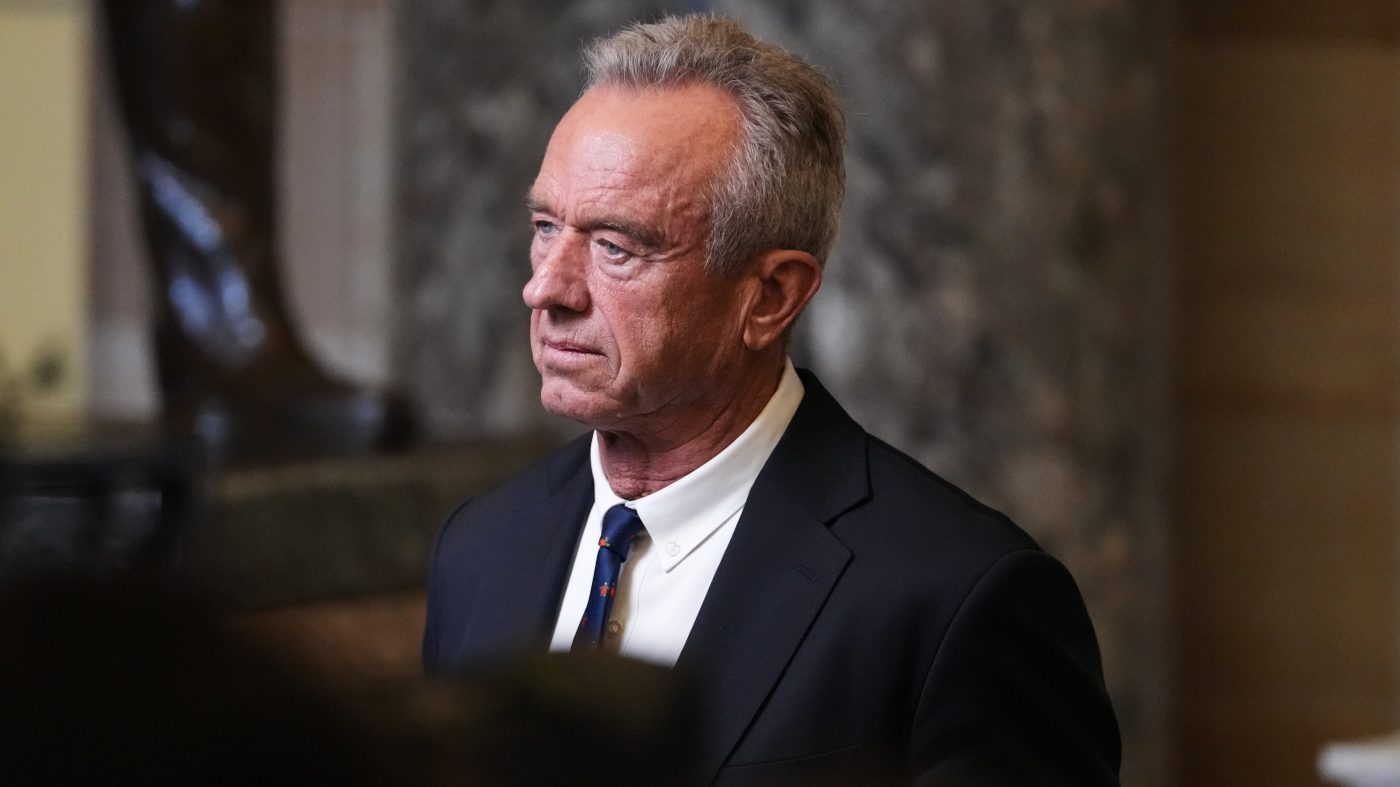
The poll results arrive amid a turbulent period at the Department of Health and Human Services under Secretary Robert F. Kennedy Jr. His tenure has been marked by a systematic overhaul of long-standing public health protocols and regulatory frameworks, which he frequently touts as major victories for the MAHA initiative.
Critics, including former agency officials and public health experts, have characterized Kennedy's leadership as chaotic and destabilizing. They argue his aggressive reversals of established policies have undermined scientific integrity and created uncertainty across the healthcare sector.
Broader Political Context
The administration's health policy moves occur alongside other contentious actions that have defined its governing style. For instance, the administration has recently nullified Title IX gender identity agreements with several school districts, signaling a broader shift in federal civil rights enforcement.
Foreign policy has also dominated recent headlines, with the president floating the idea of U.S. toll collection in the Strait of Hormuz—a tactic mirroring one used by Iran. This comes amid escalating tensions, including a recent ultimatum to Iran threatening the destruction of civilian infrastructure, a move that drew criticism from former National Security Advisor John Bolton and prompted Senator Bernie Sanders to demand congressional intervention.
These parallel controversies contribute to a political environment where the administration's domestic agenda, including MAHA, is evaluated alongside its more combative stances on international and social issues.
Public Health as Political Battleground
The "Make America Healthy Again" framework was introduced as a comprehensive alternative to previous healthcare systems, emphasizing deregulation, state flexibility, and a critique of what the administration calls bureaucratic overreach. However, its implementation has become deeply polarized.
Supporters point to reduced regulatory burdens and increased choice, while opponents warn of eroded protections and fragmented public health infrastructure. The poll suggests the administration's messaging has not convinced a majority of the public that its approach is delivering on the promise of a healthier nation.
The 52 percent disapproval figure presents a significant communications and policy challenge for the White House as it seeks to define its legacy on healthcare—a perennial top issue for voters. With the political landscape increasingly focused on both domestic reform and international confrontation, the administration's ability to translate its health agenda into perceived success remains in question.